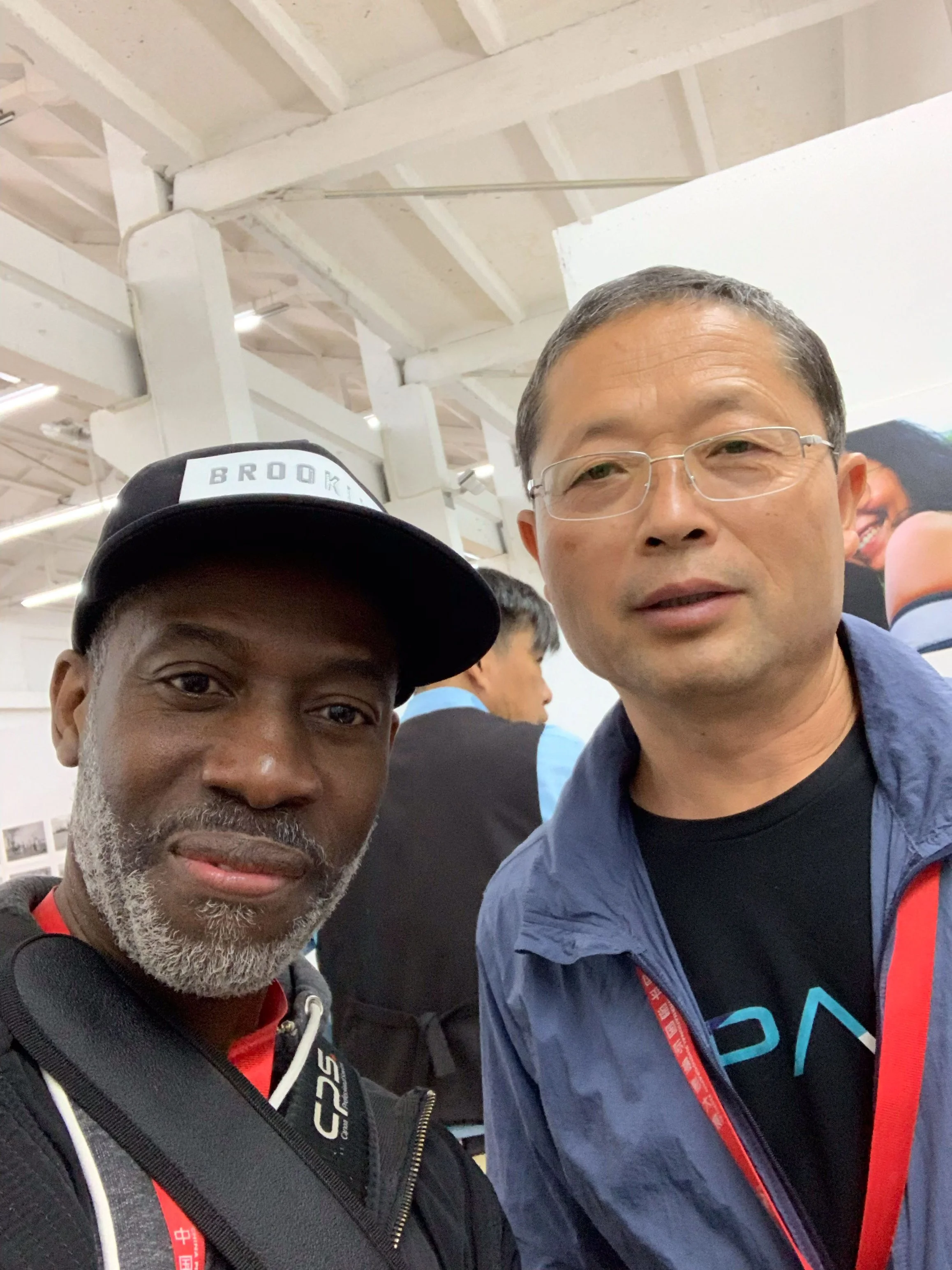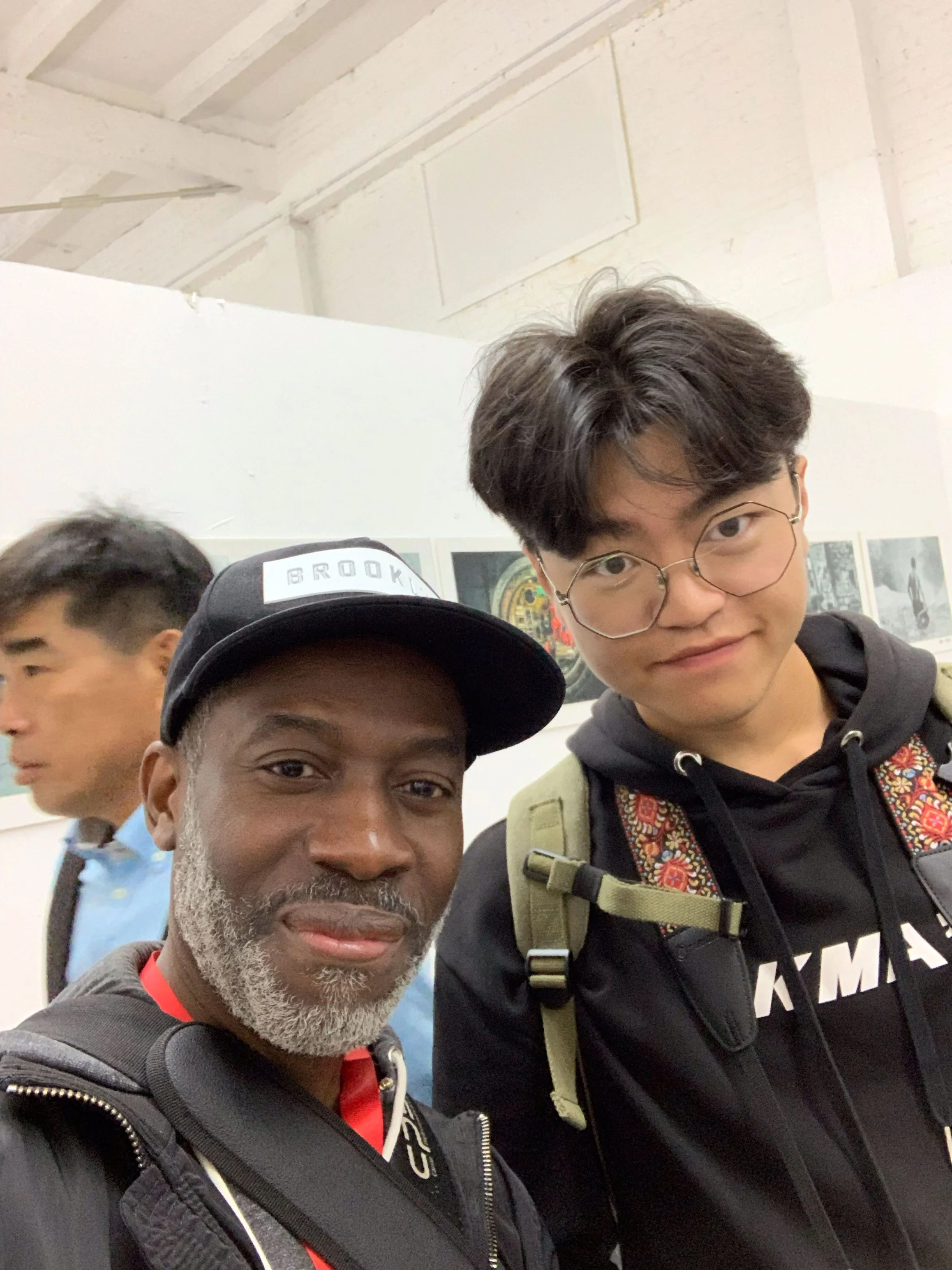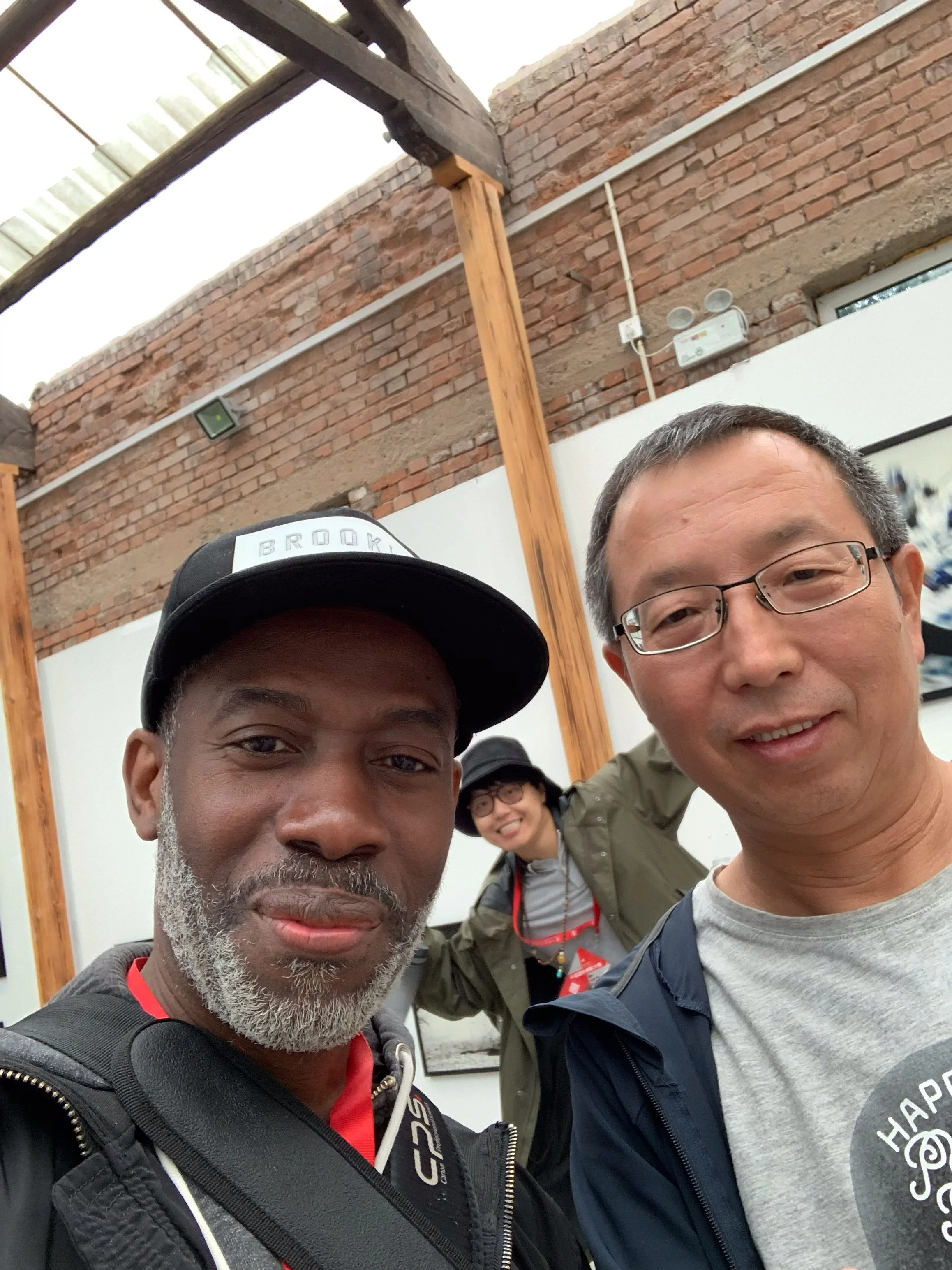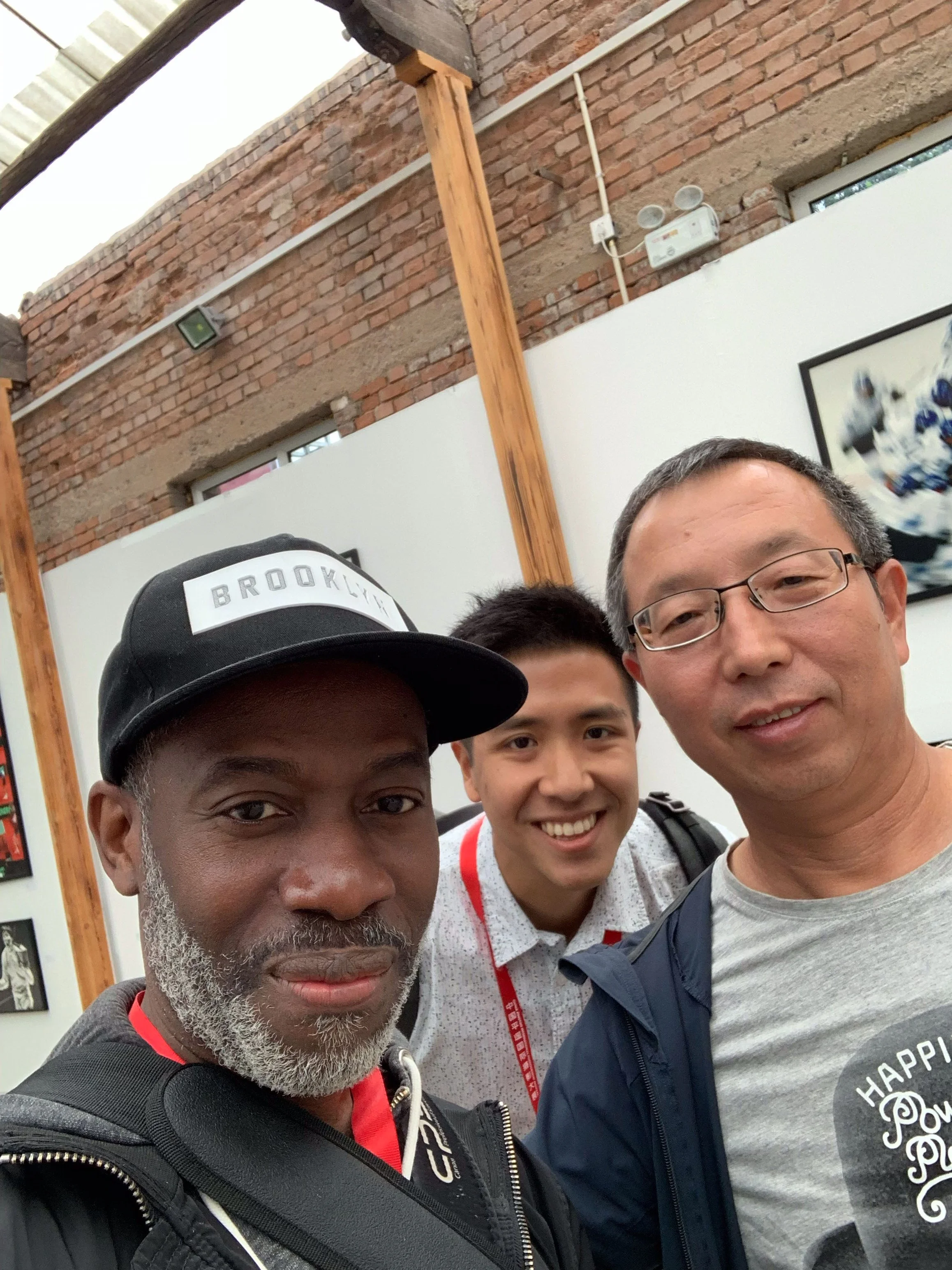
China: The Act of Looking in a Culture of Looking
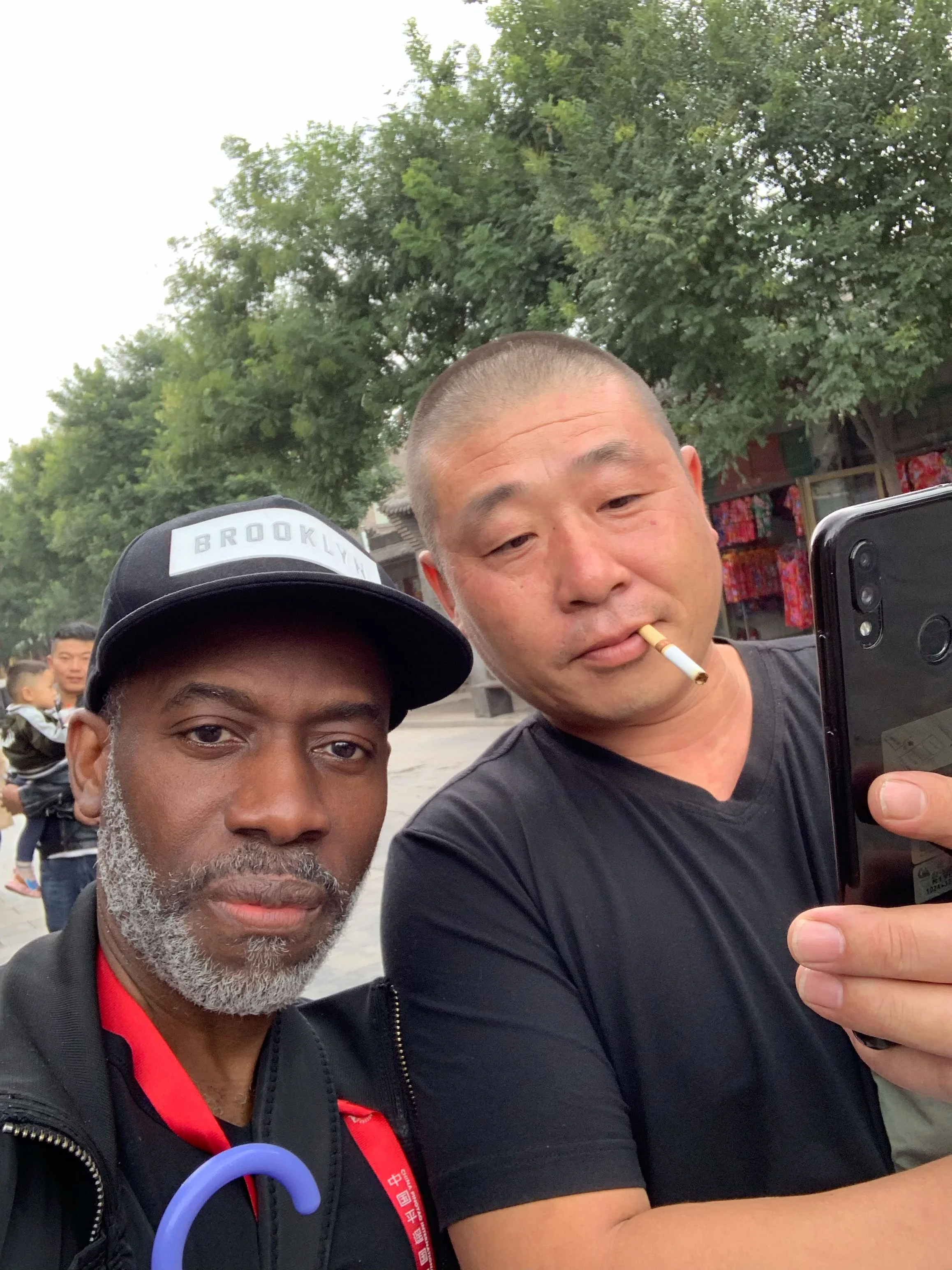
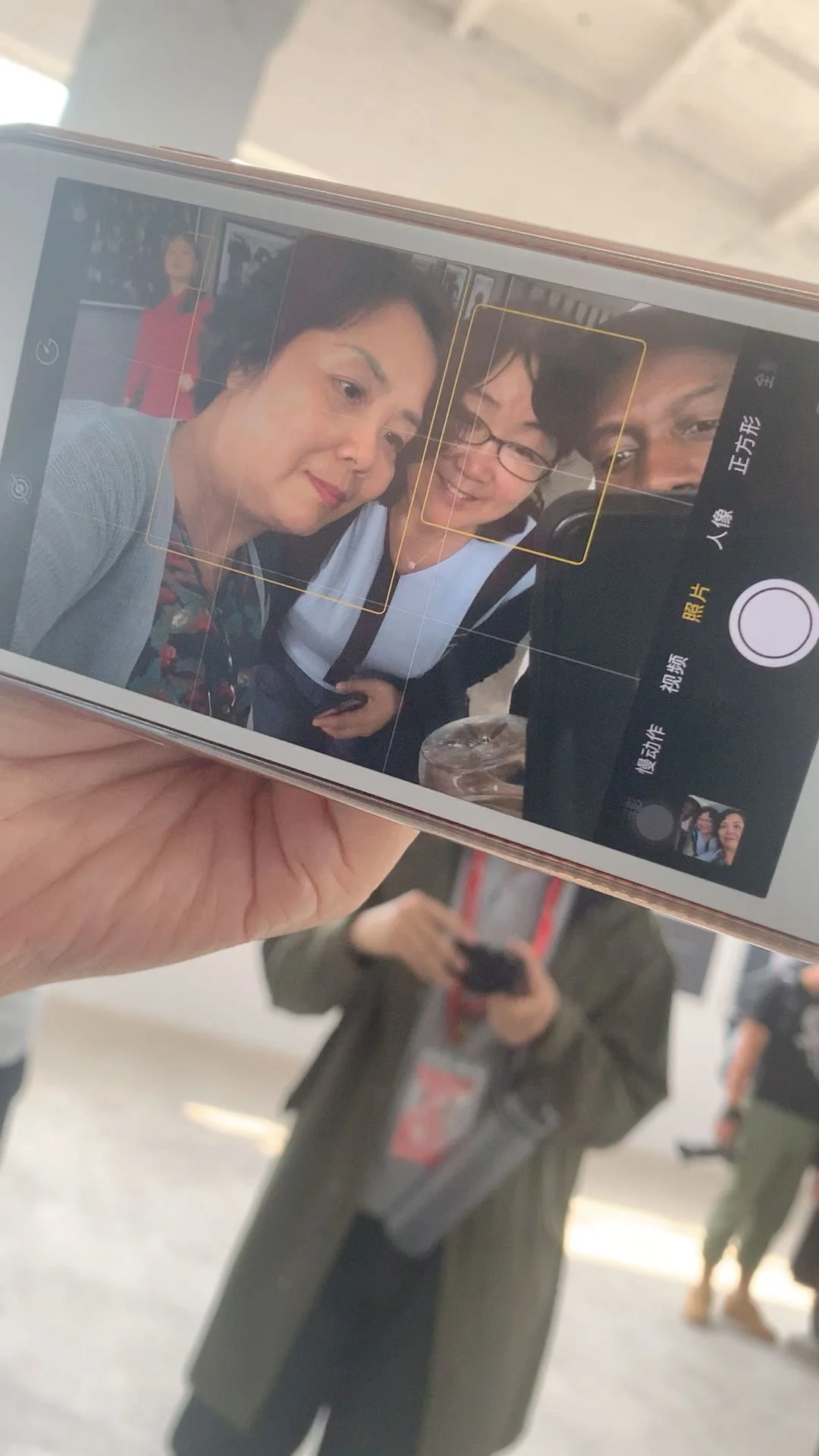
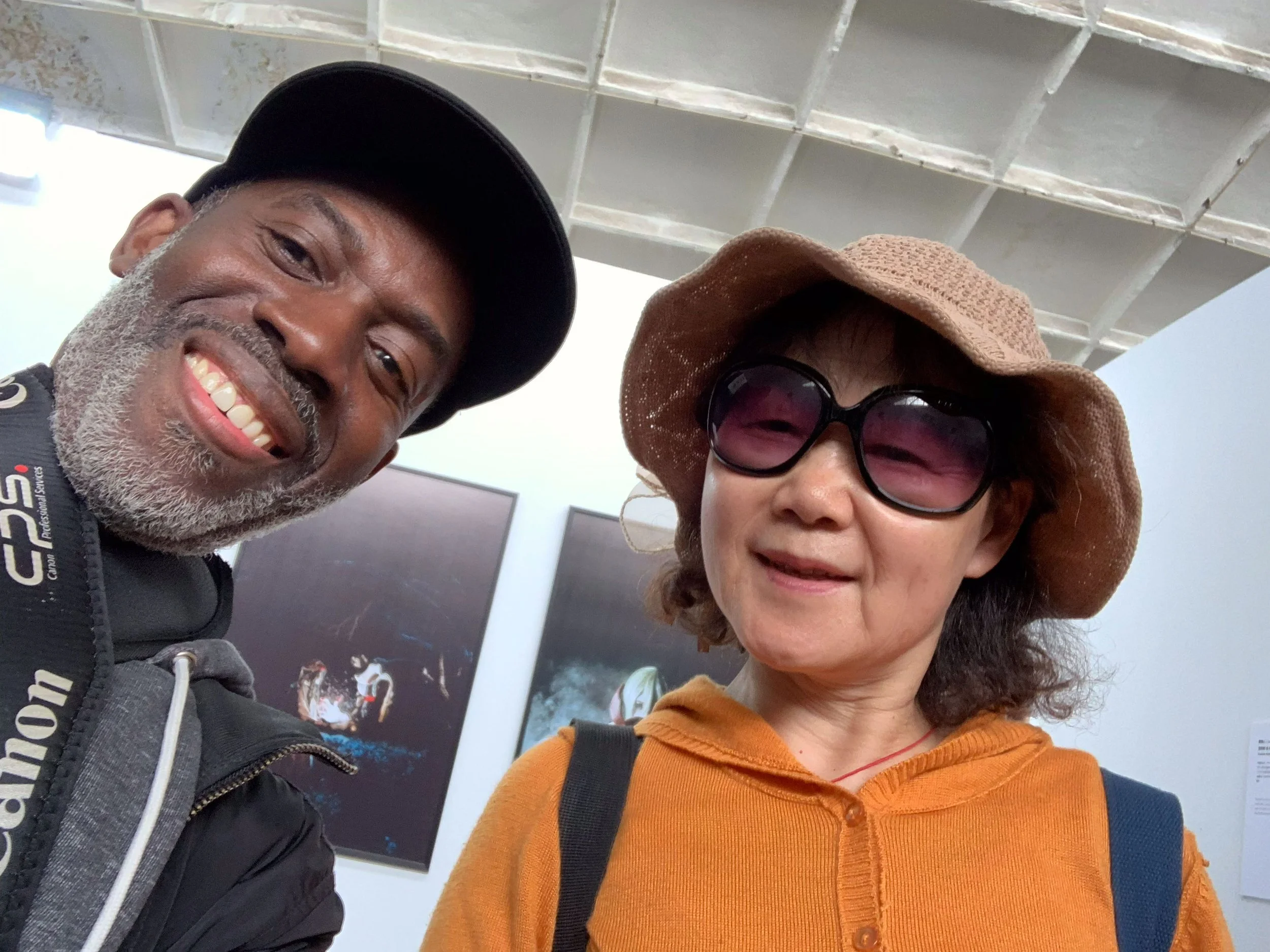
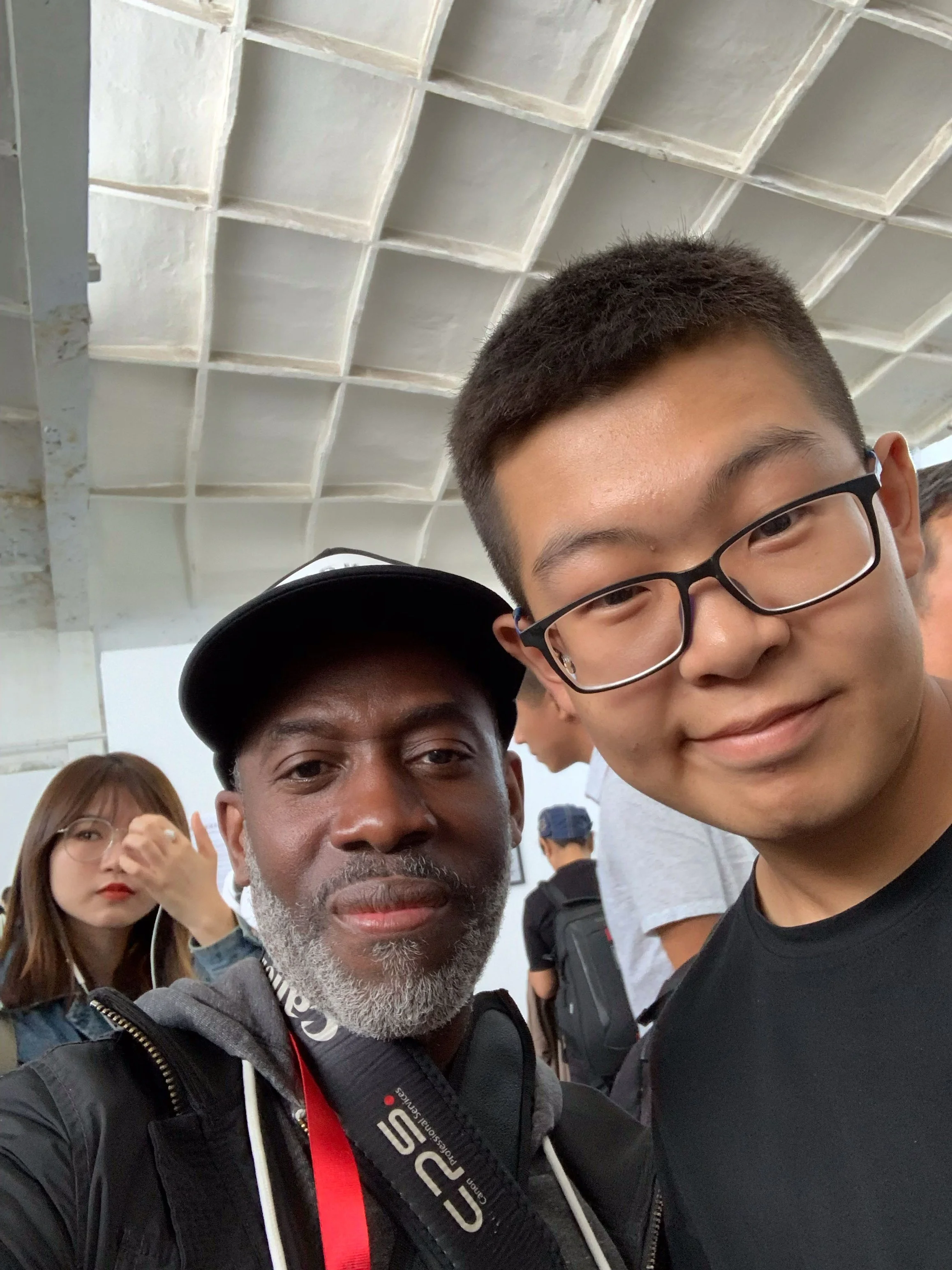
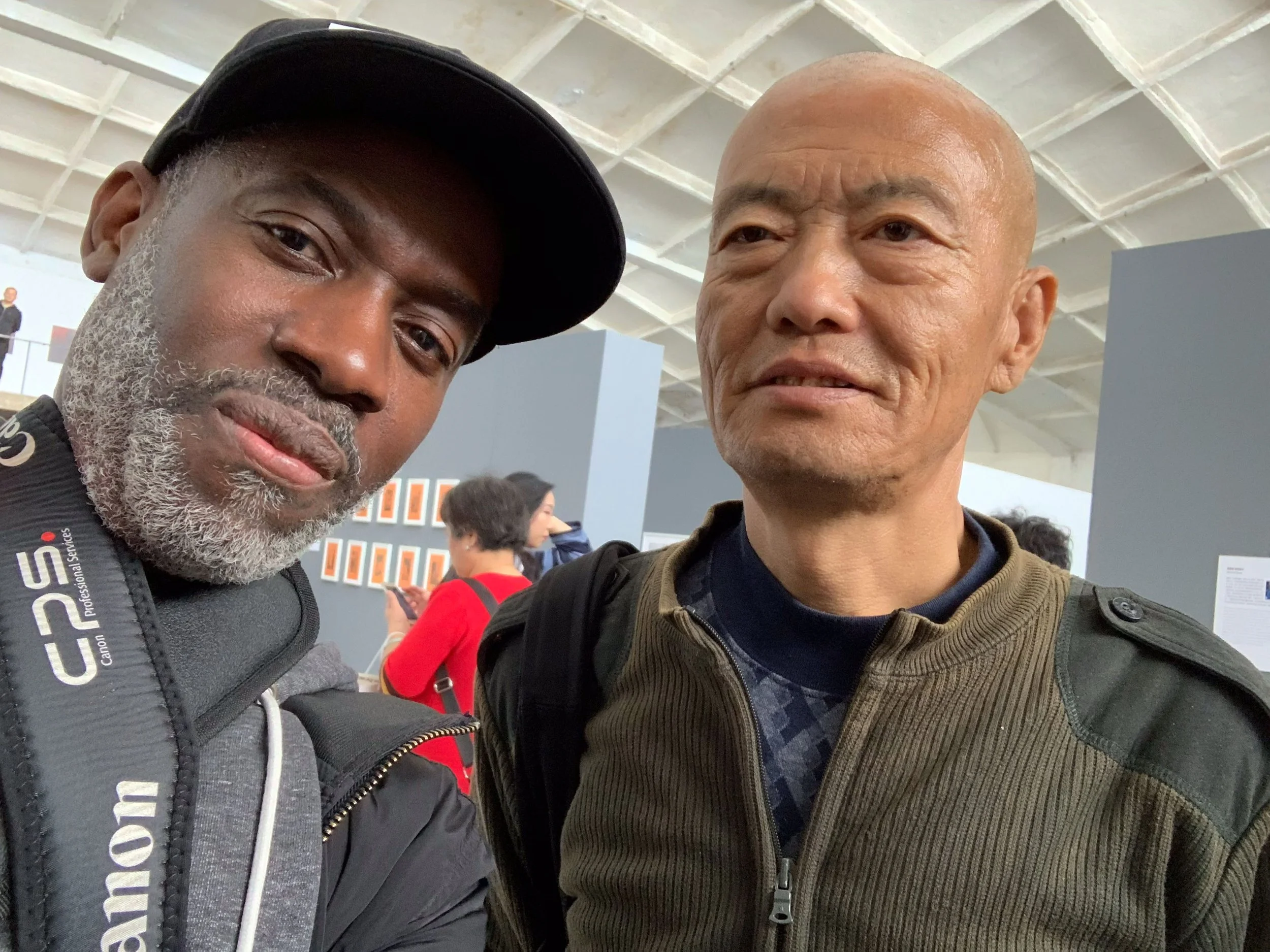
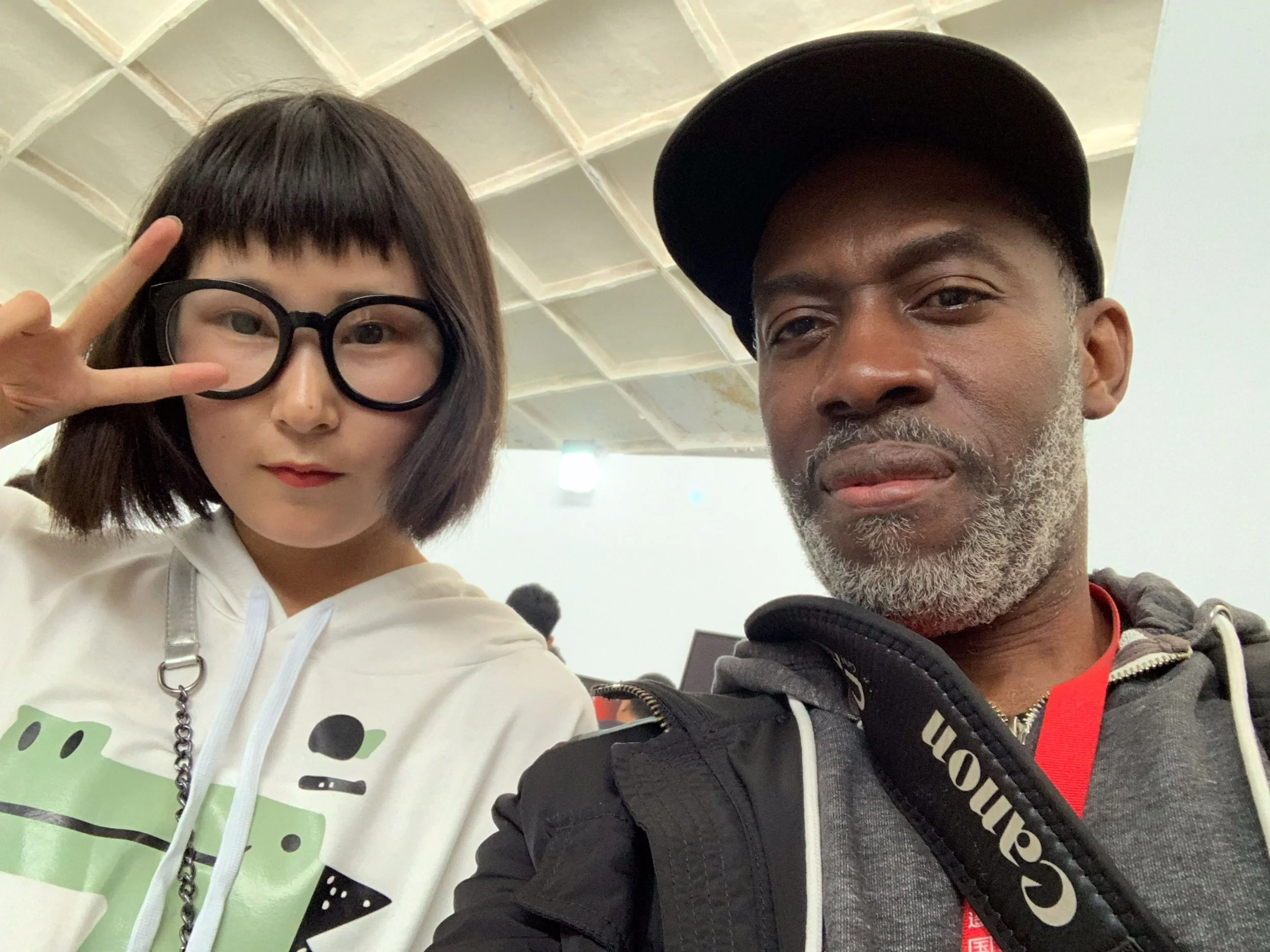
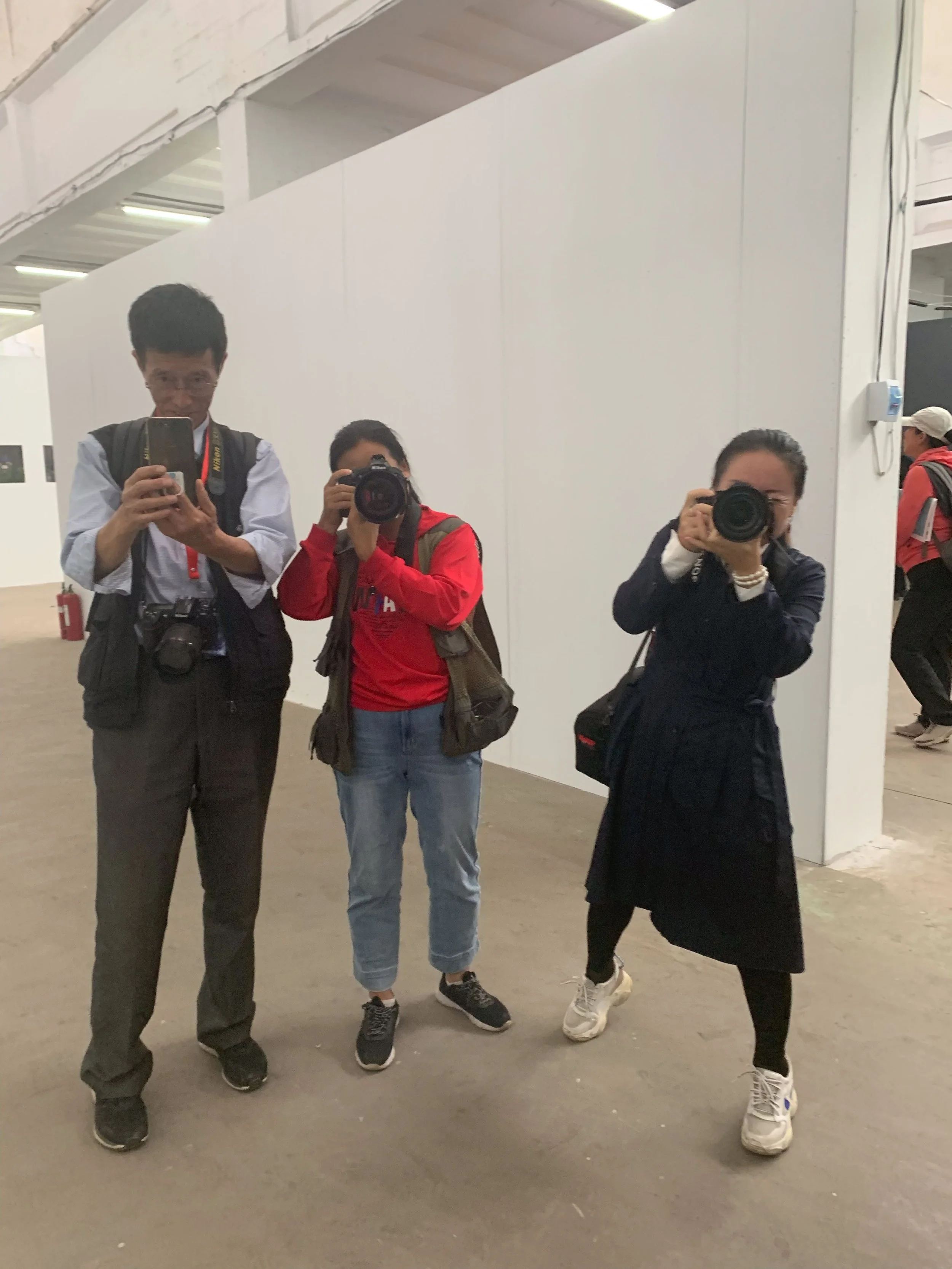
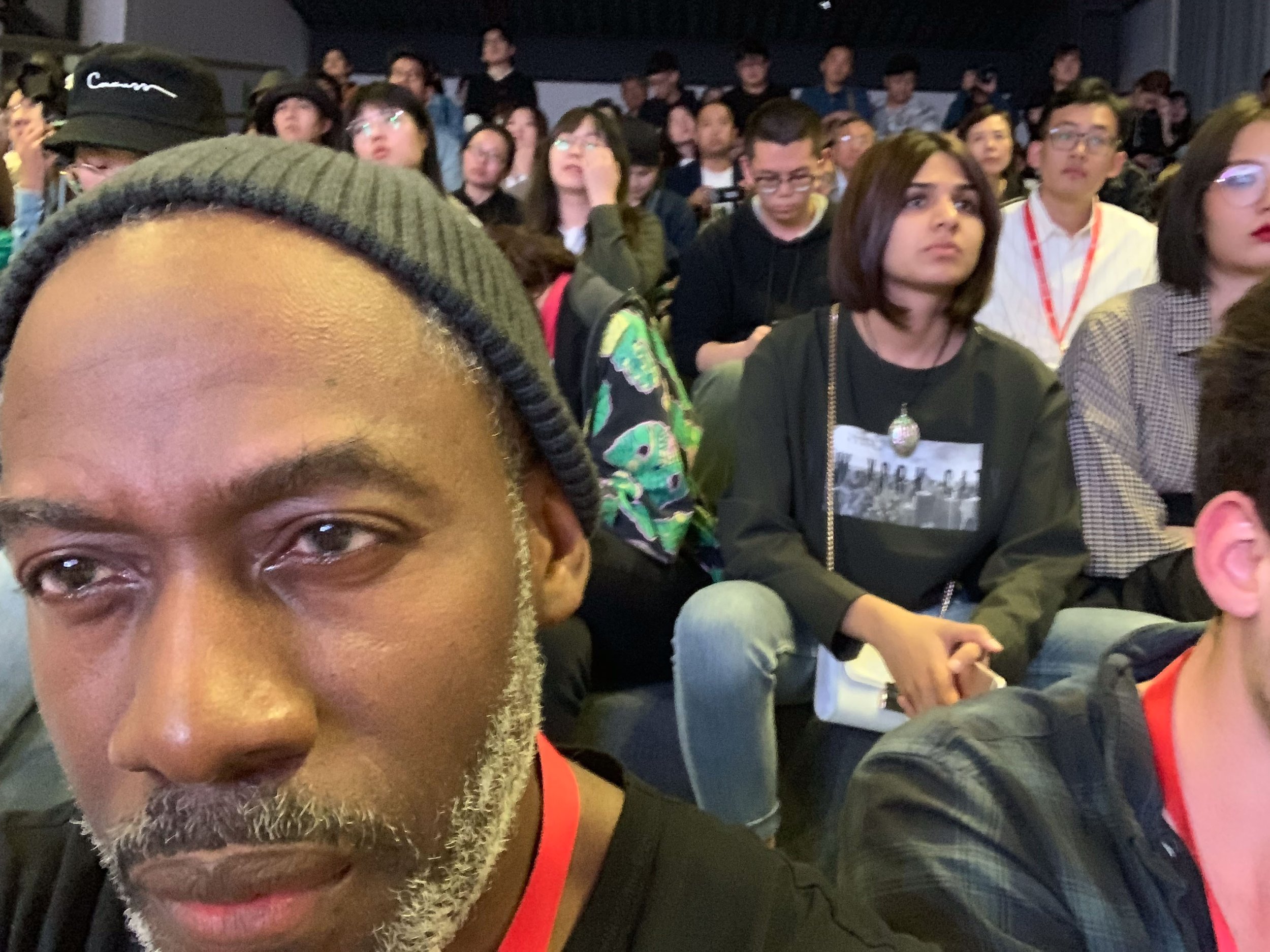
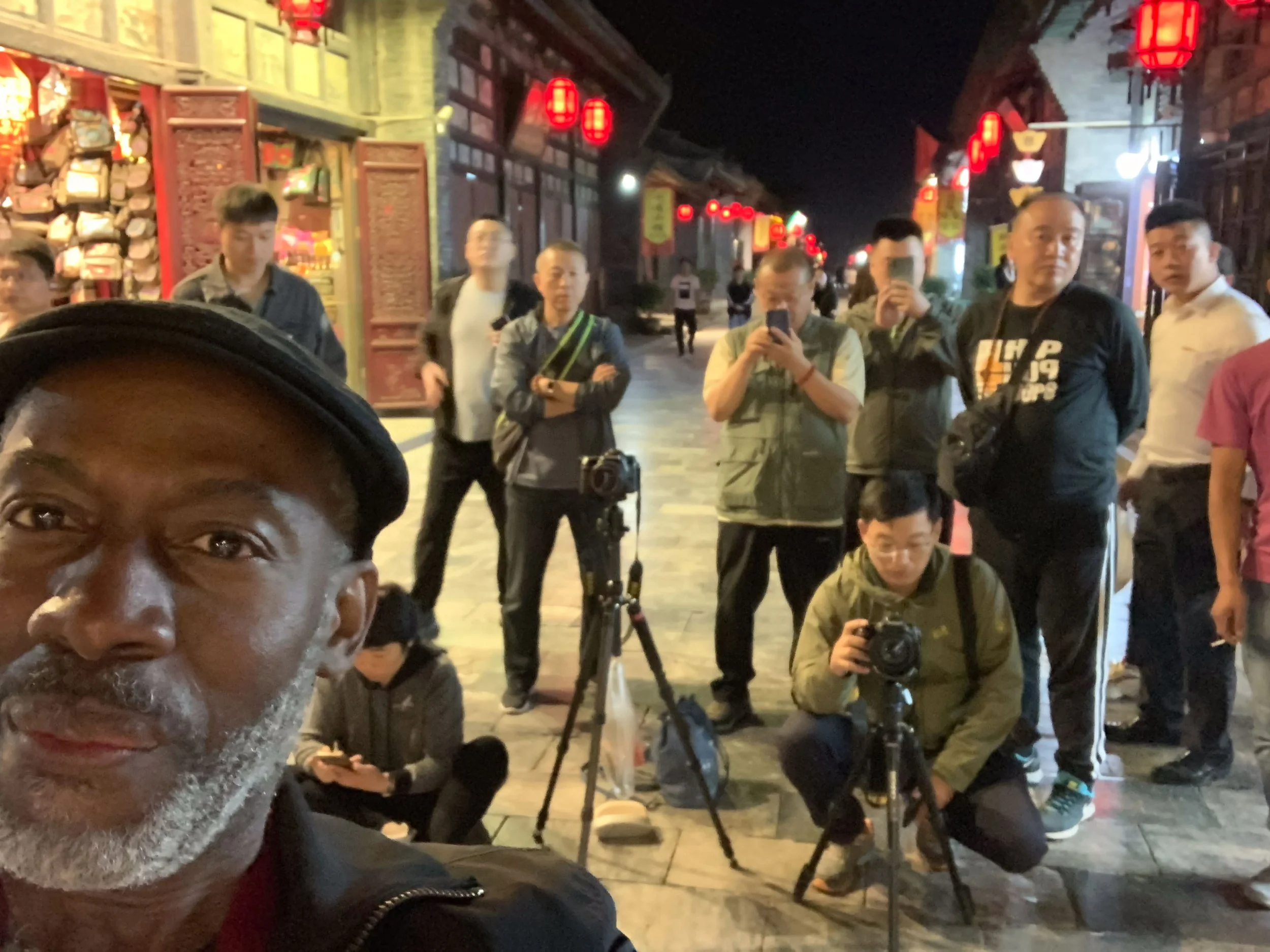
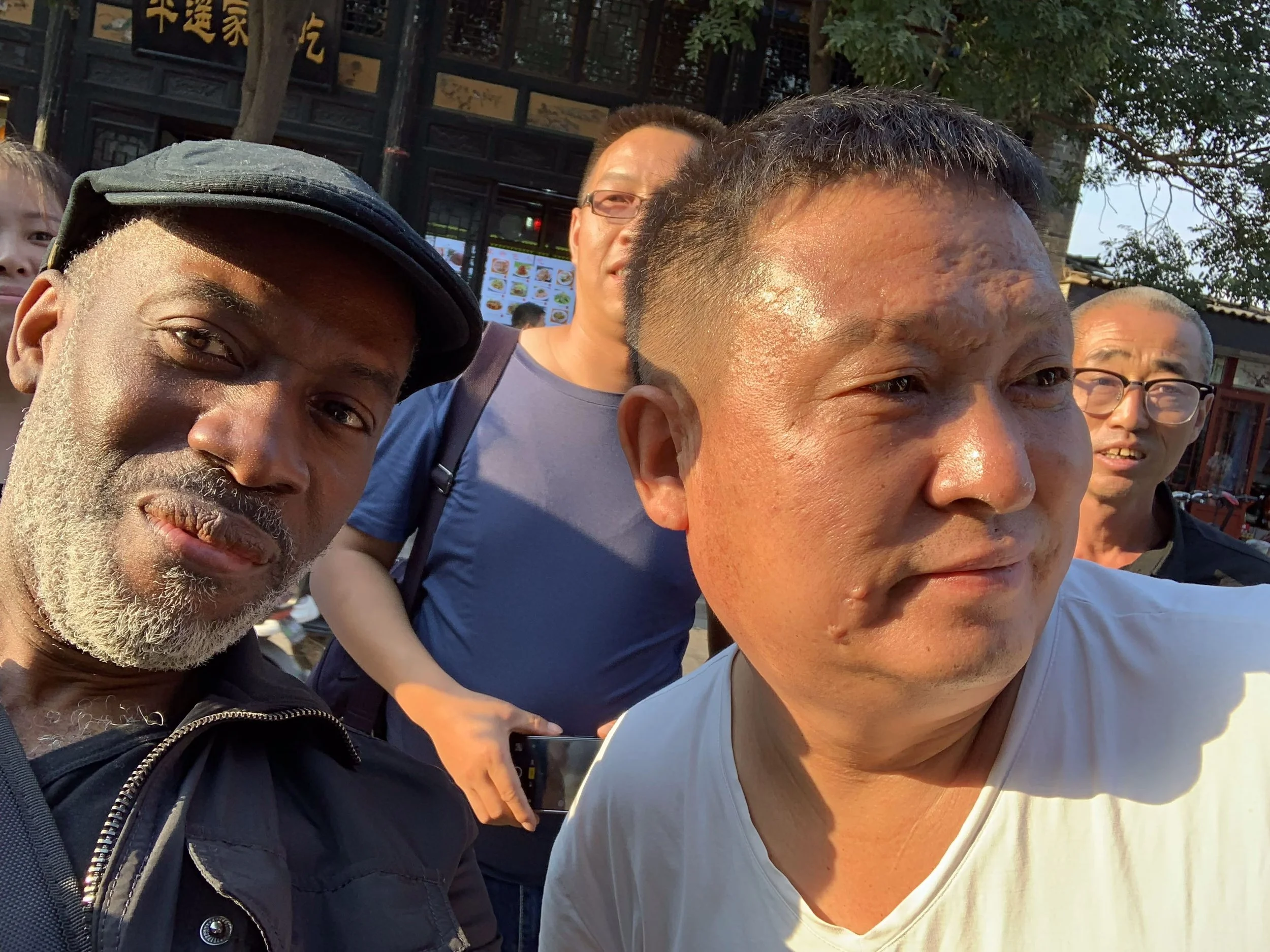
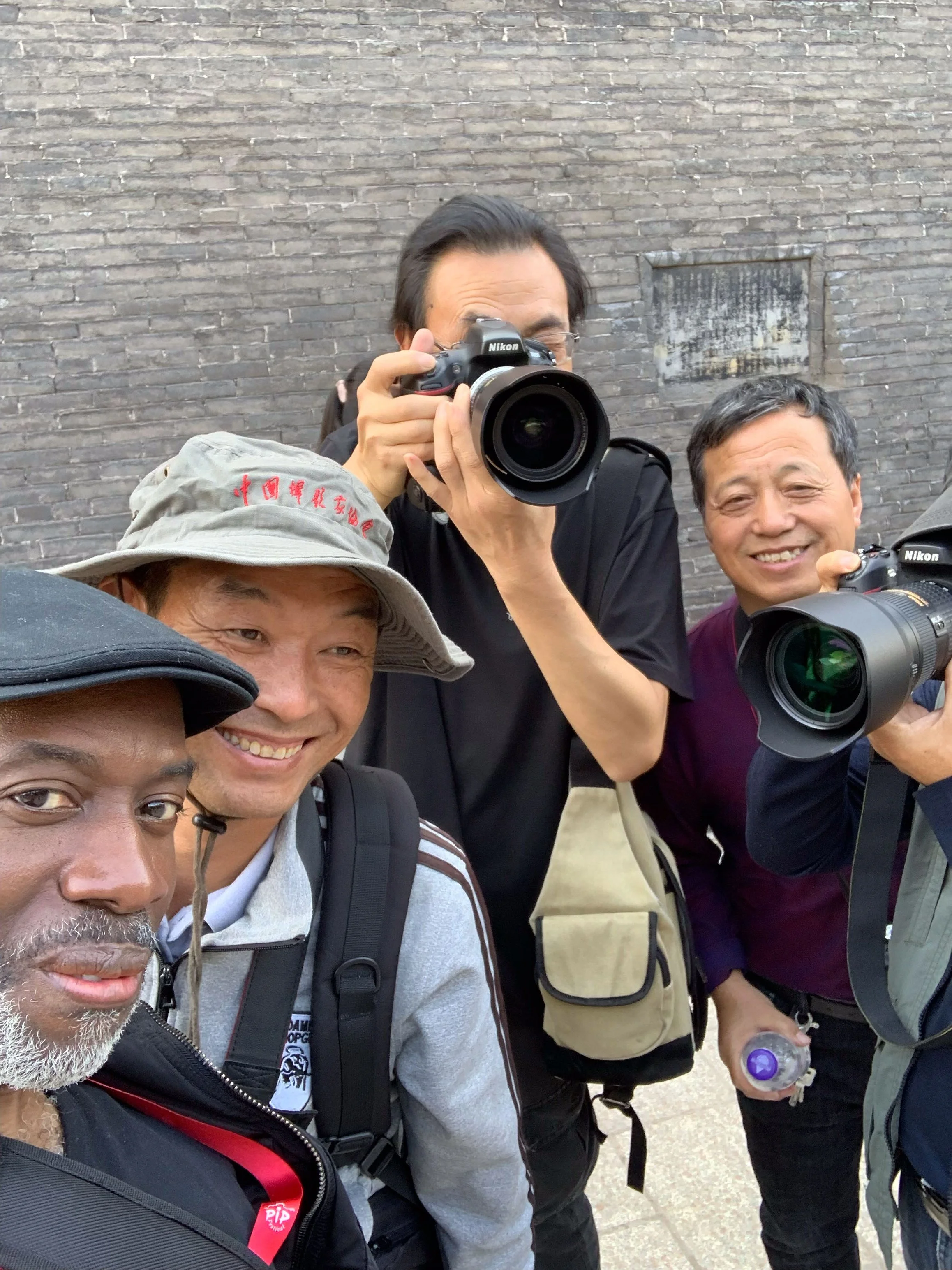
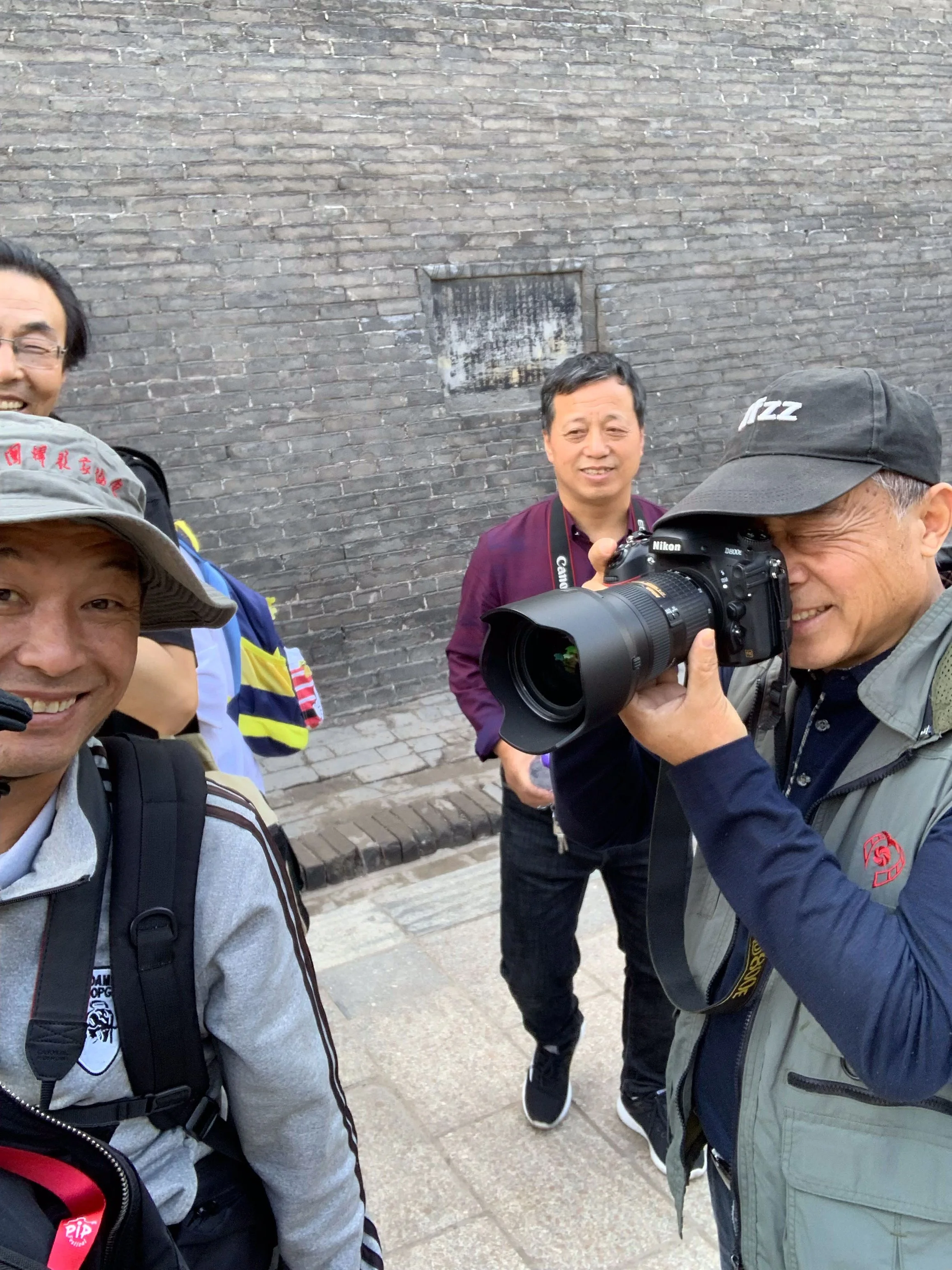
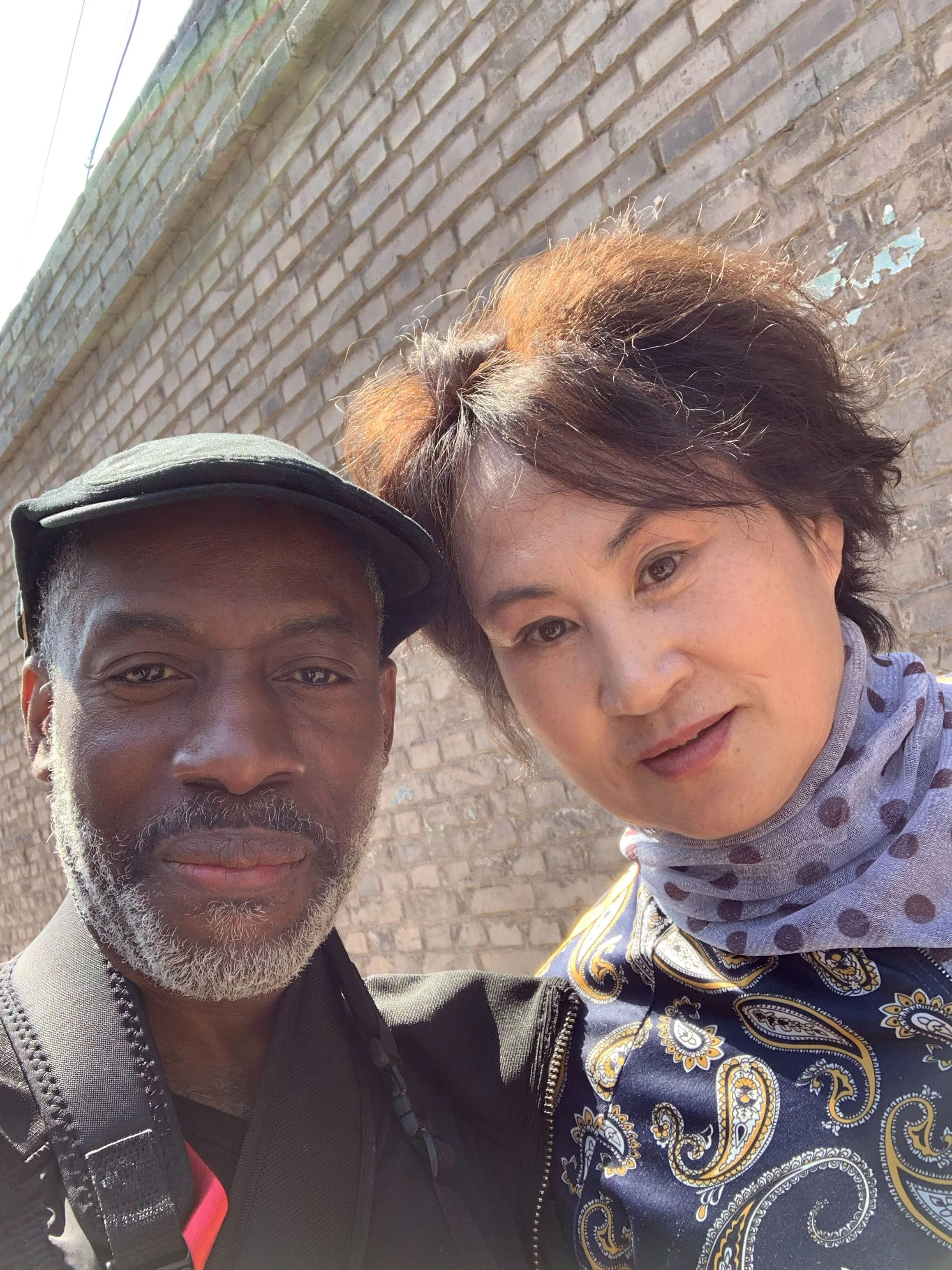
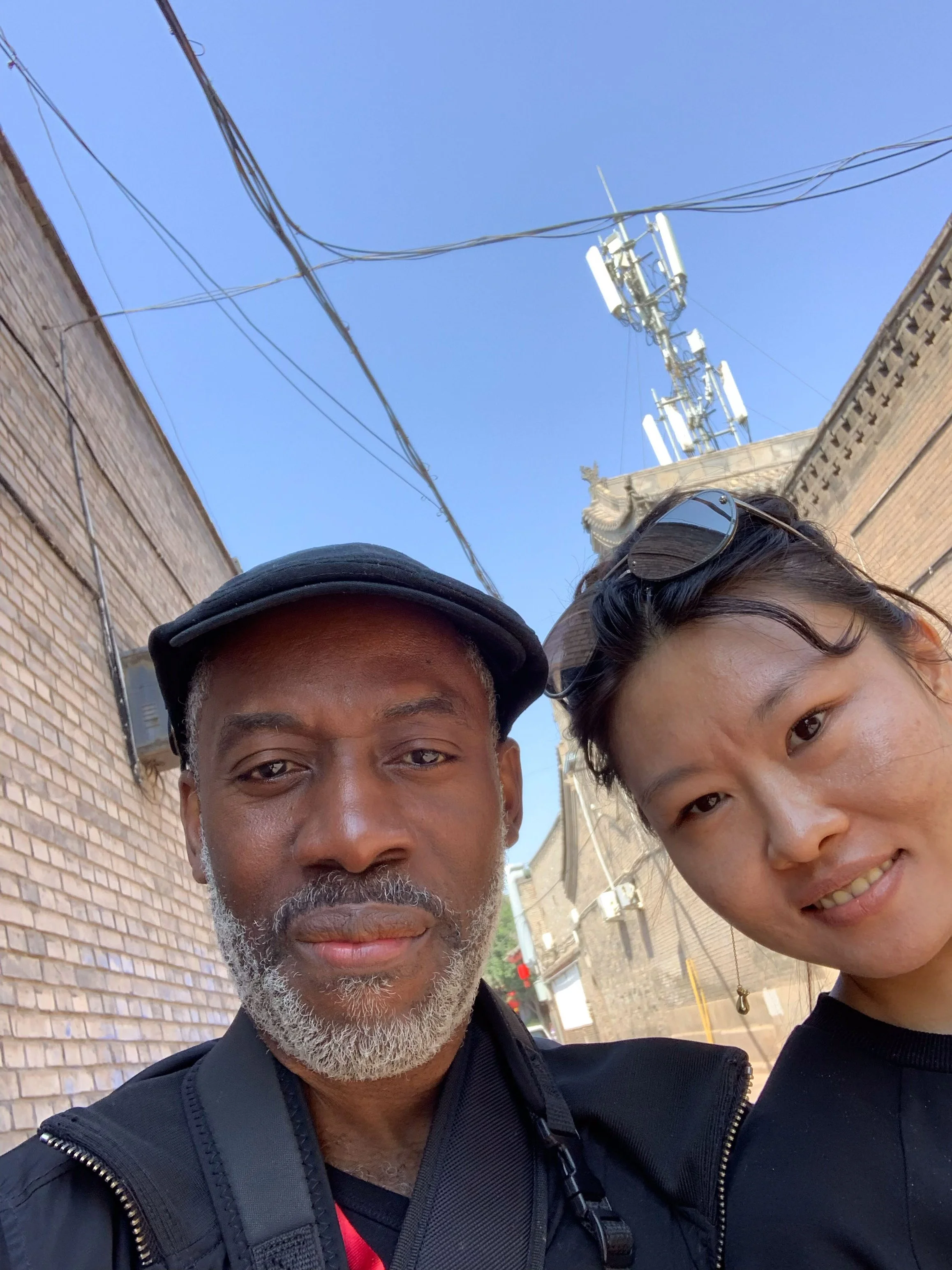
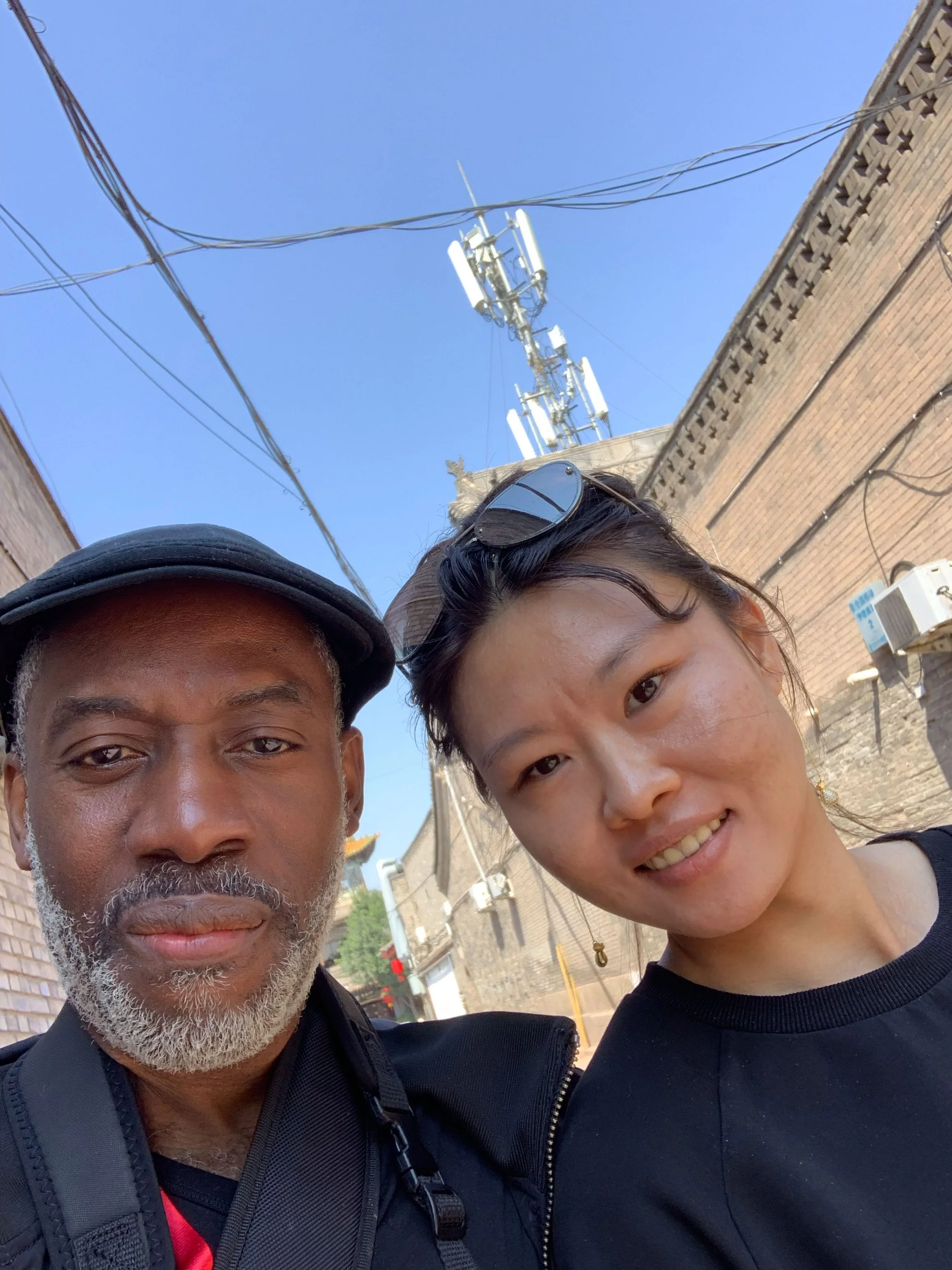
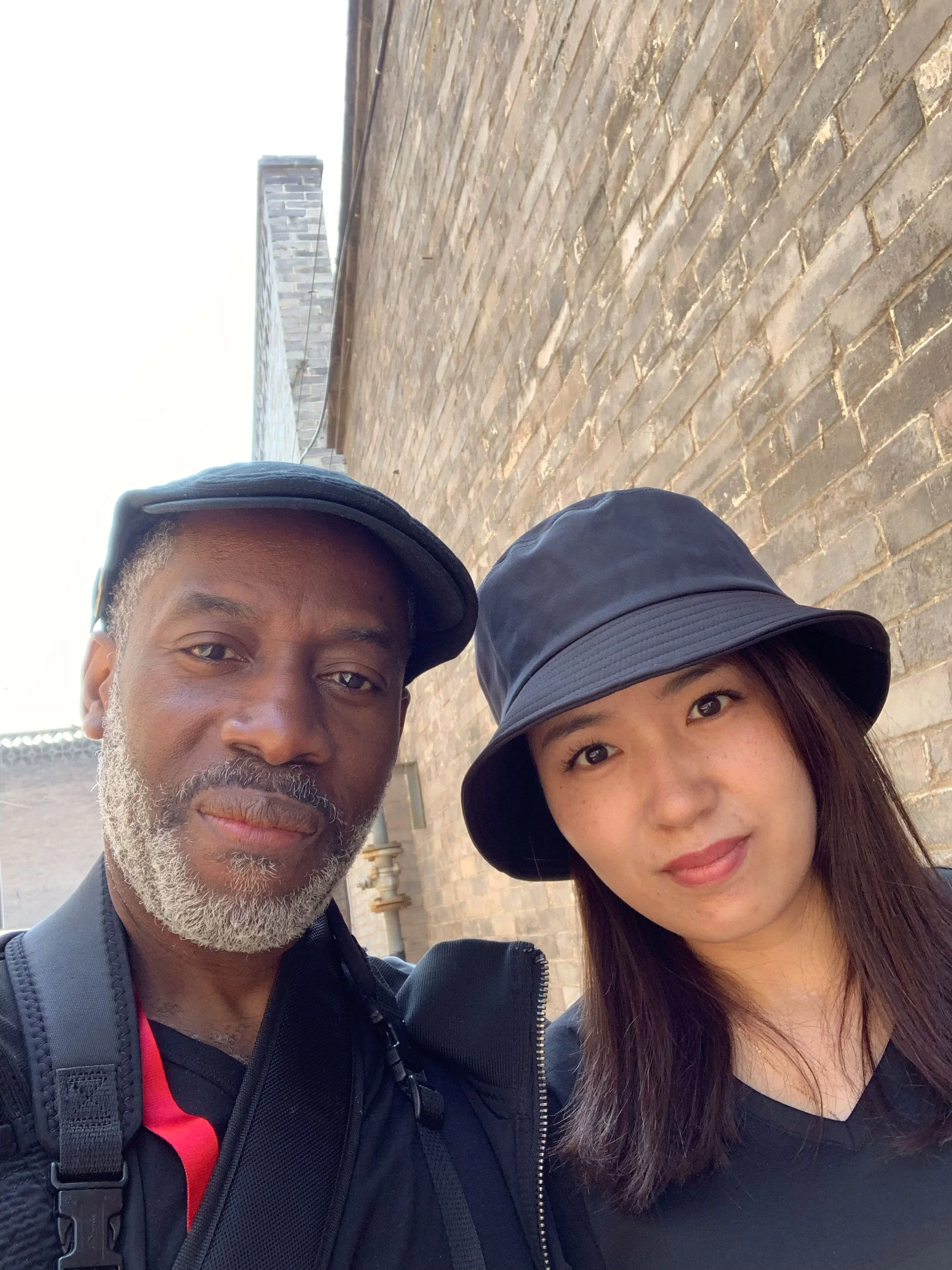
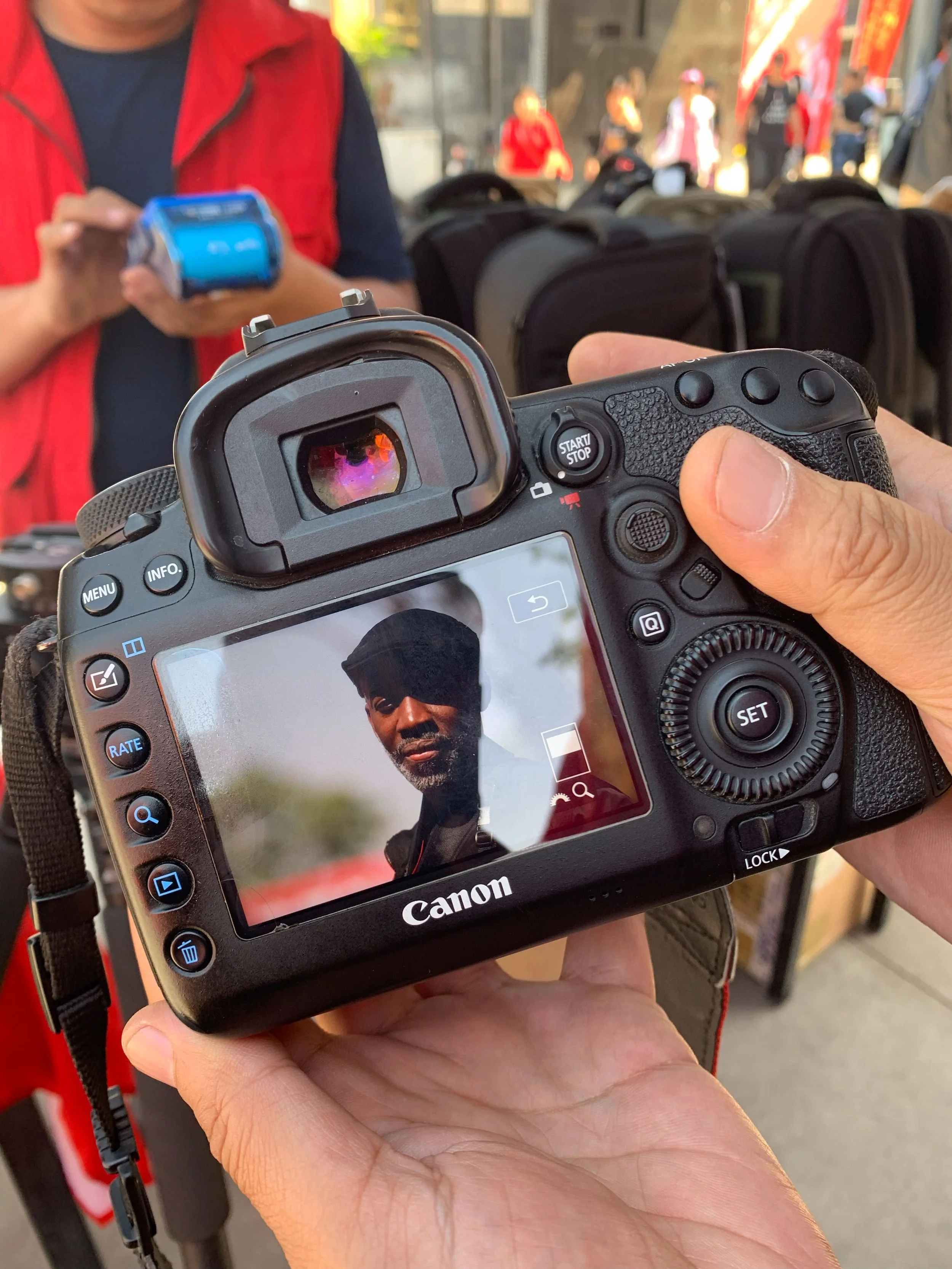
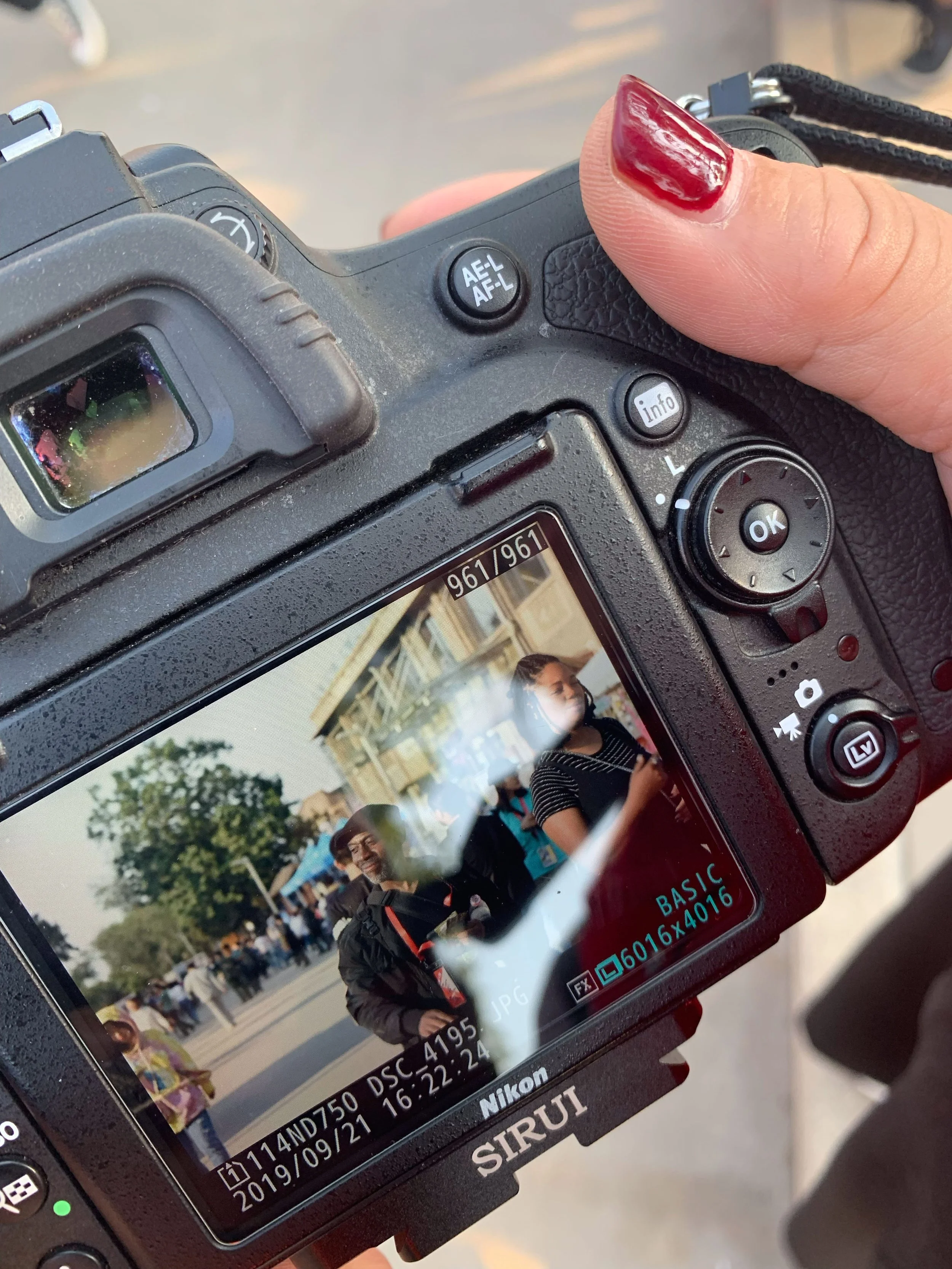
In China, I was often photographed without permission. Strangers would quickly raise their phones, capture my image, and disappear. The encounter was fast, asymmetrical, and extractive. I became a spectacle. I became an interruption. I became an image.
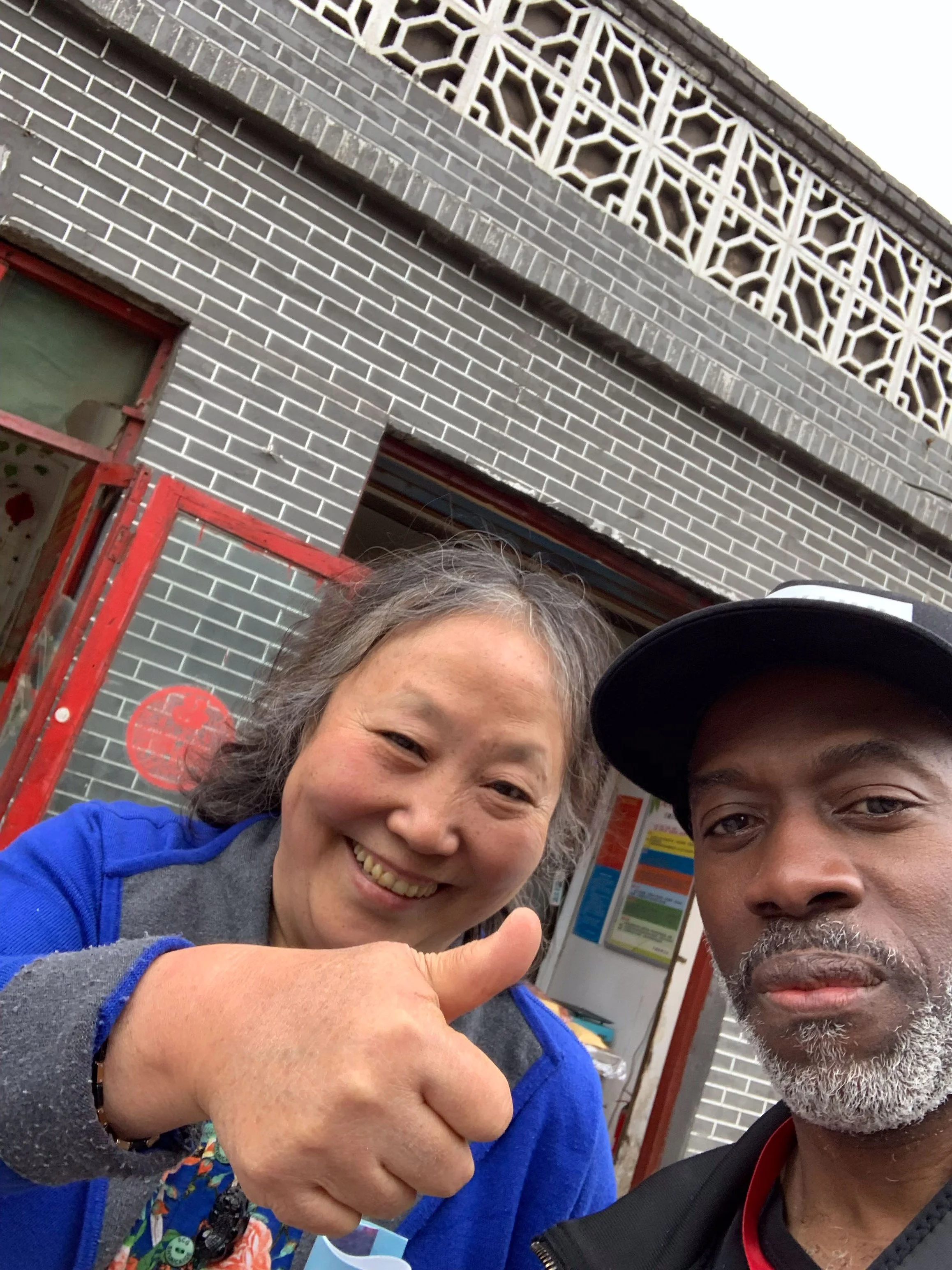
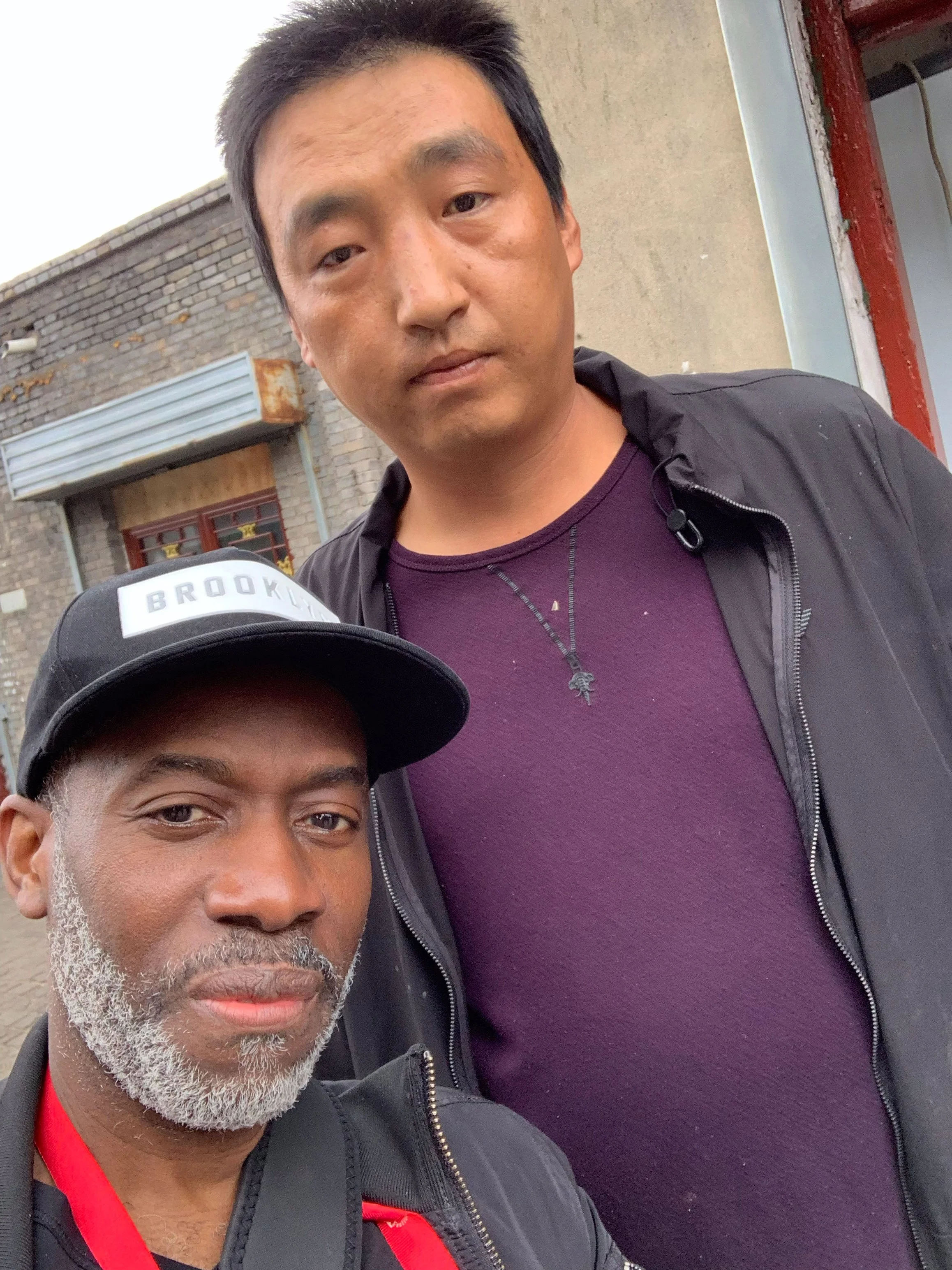
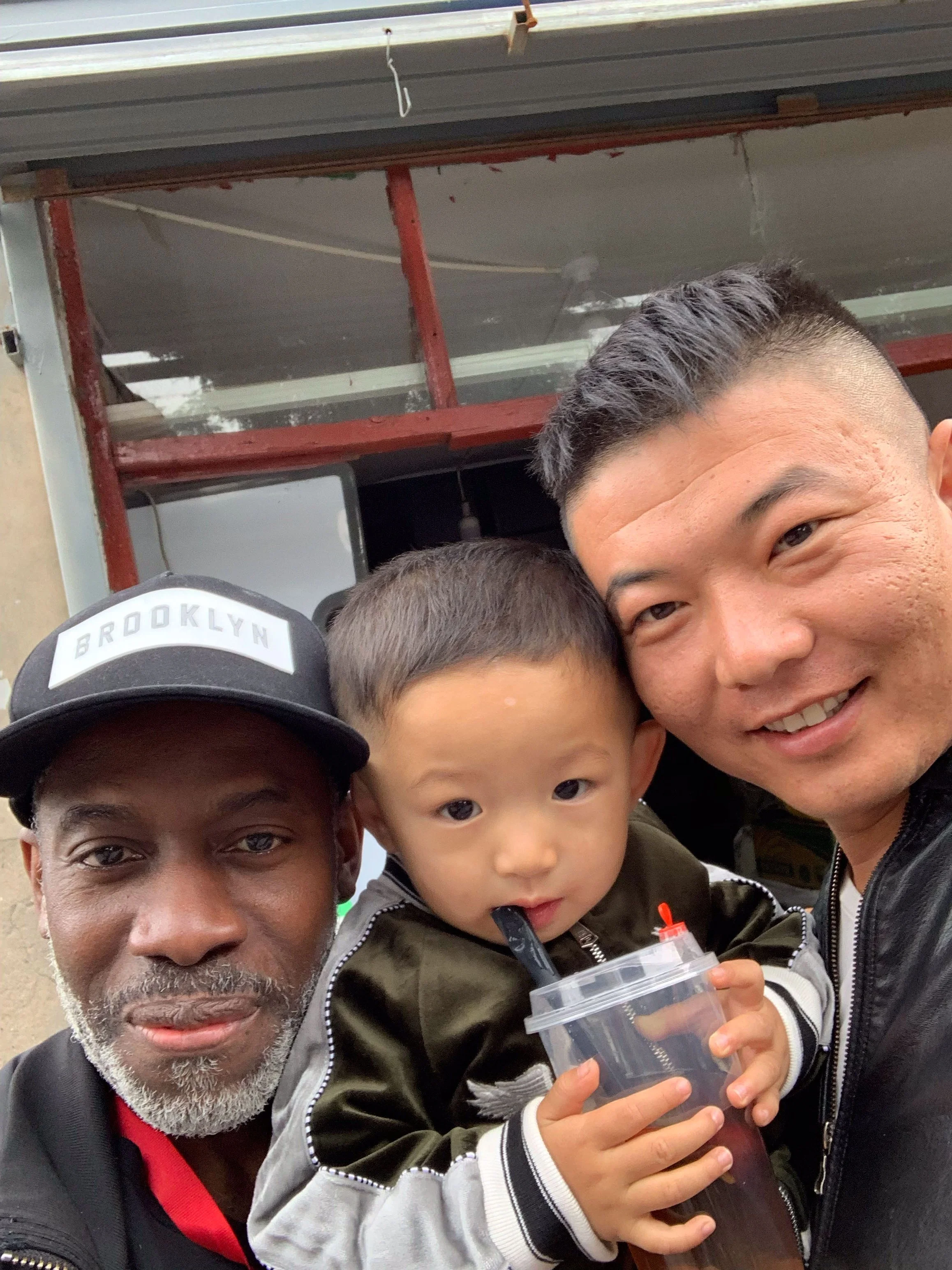
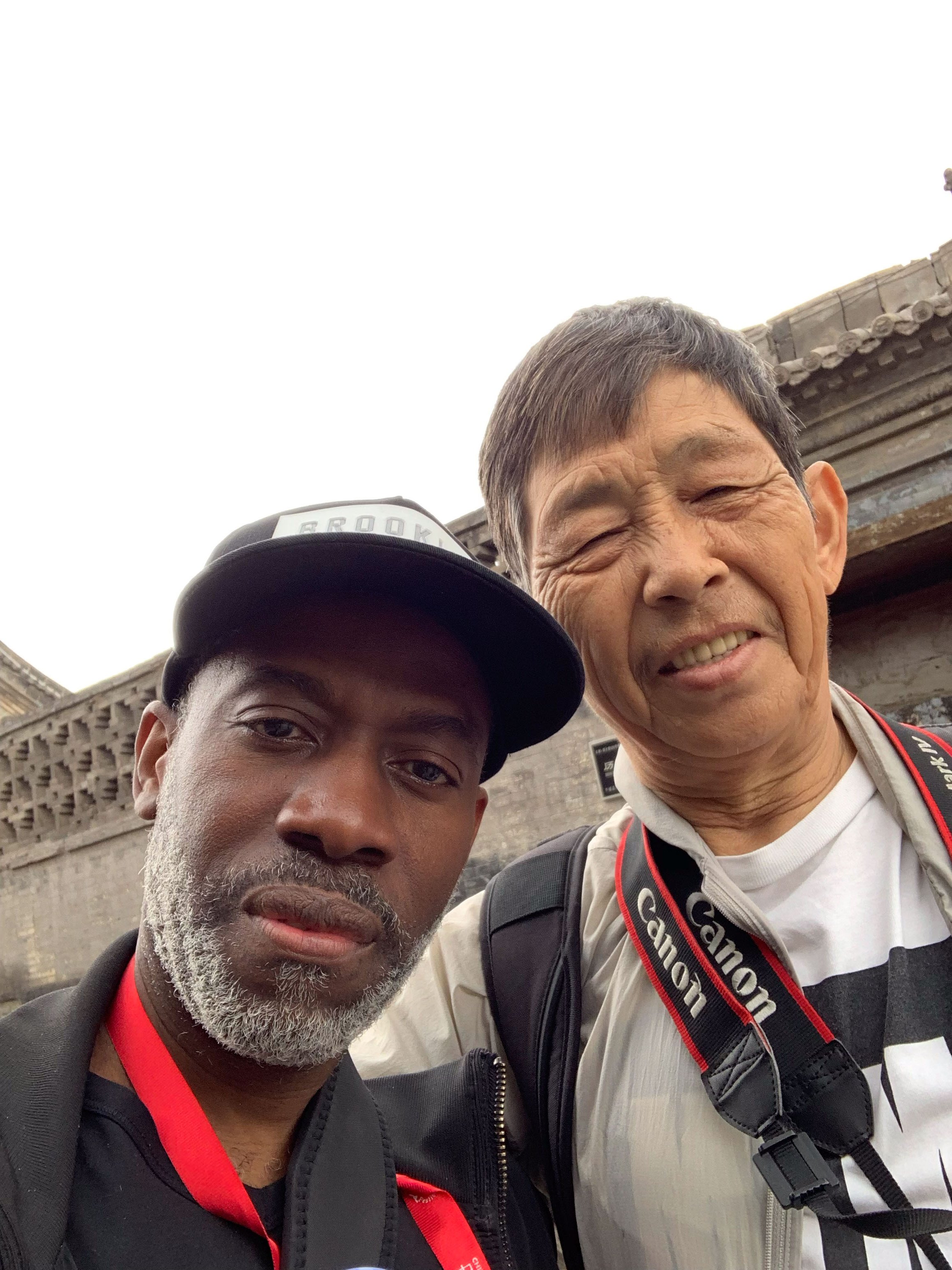
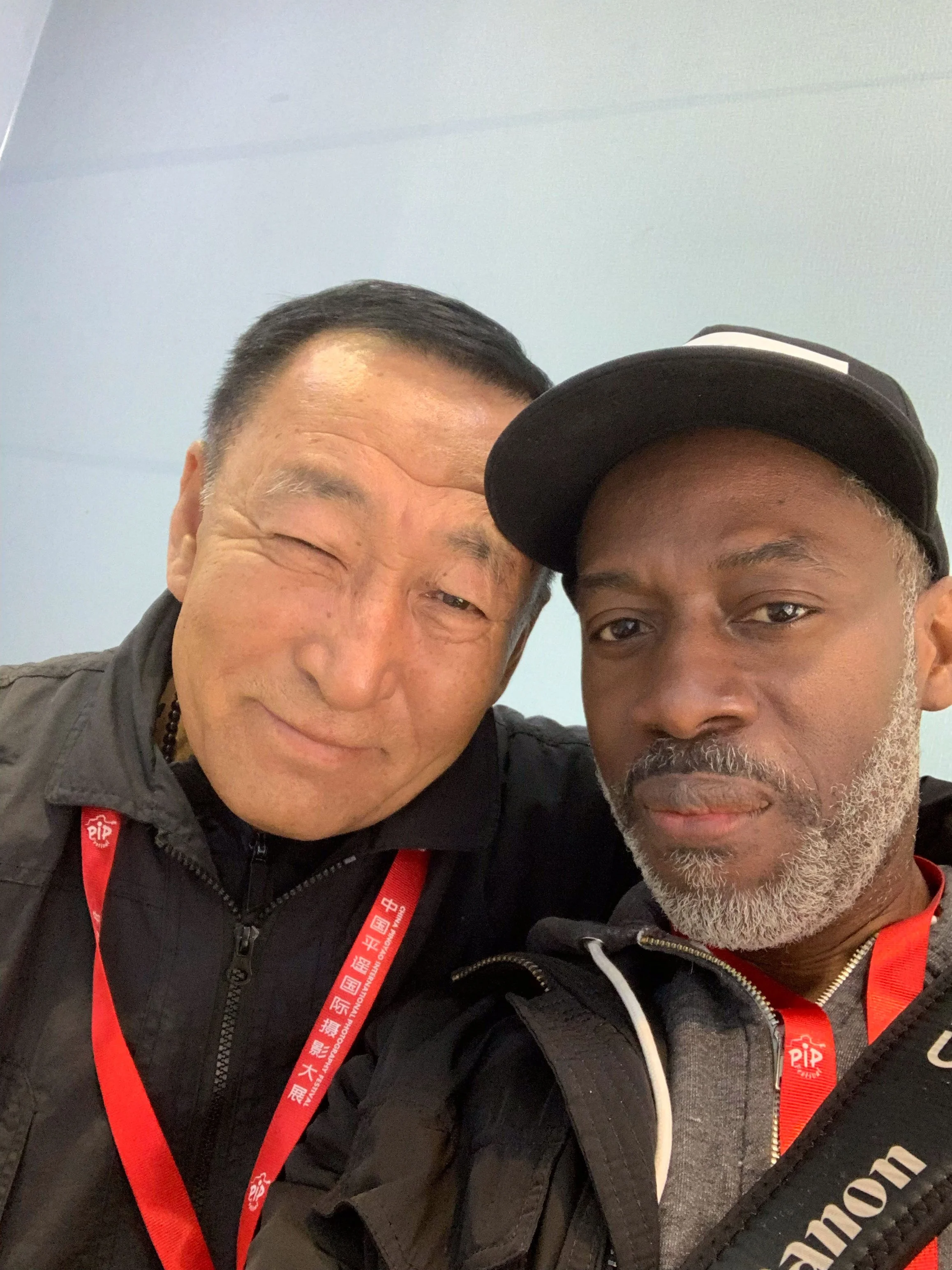
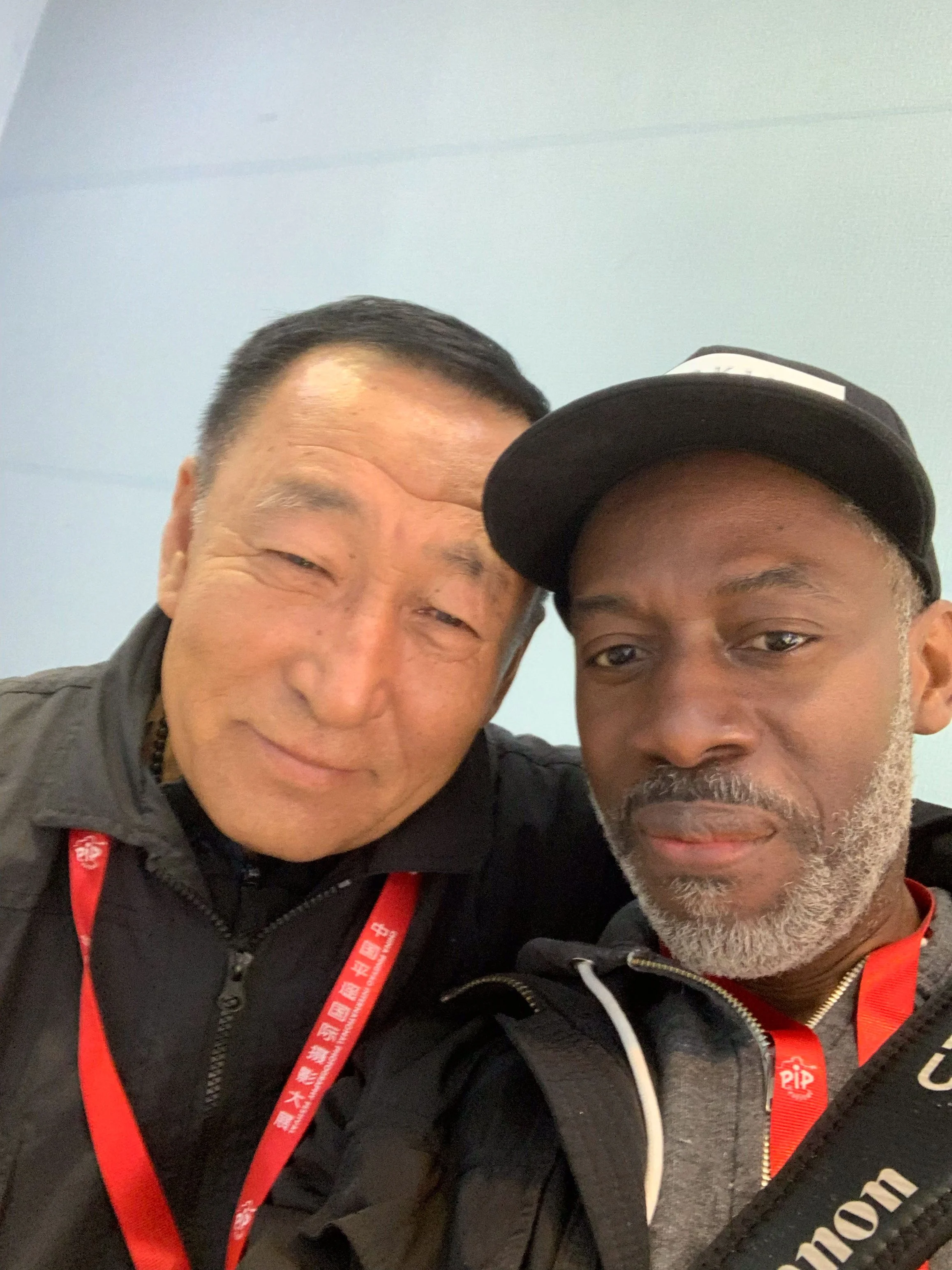
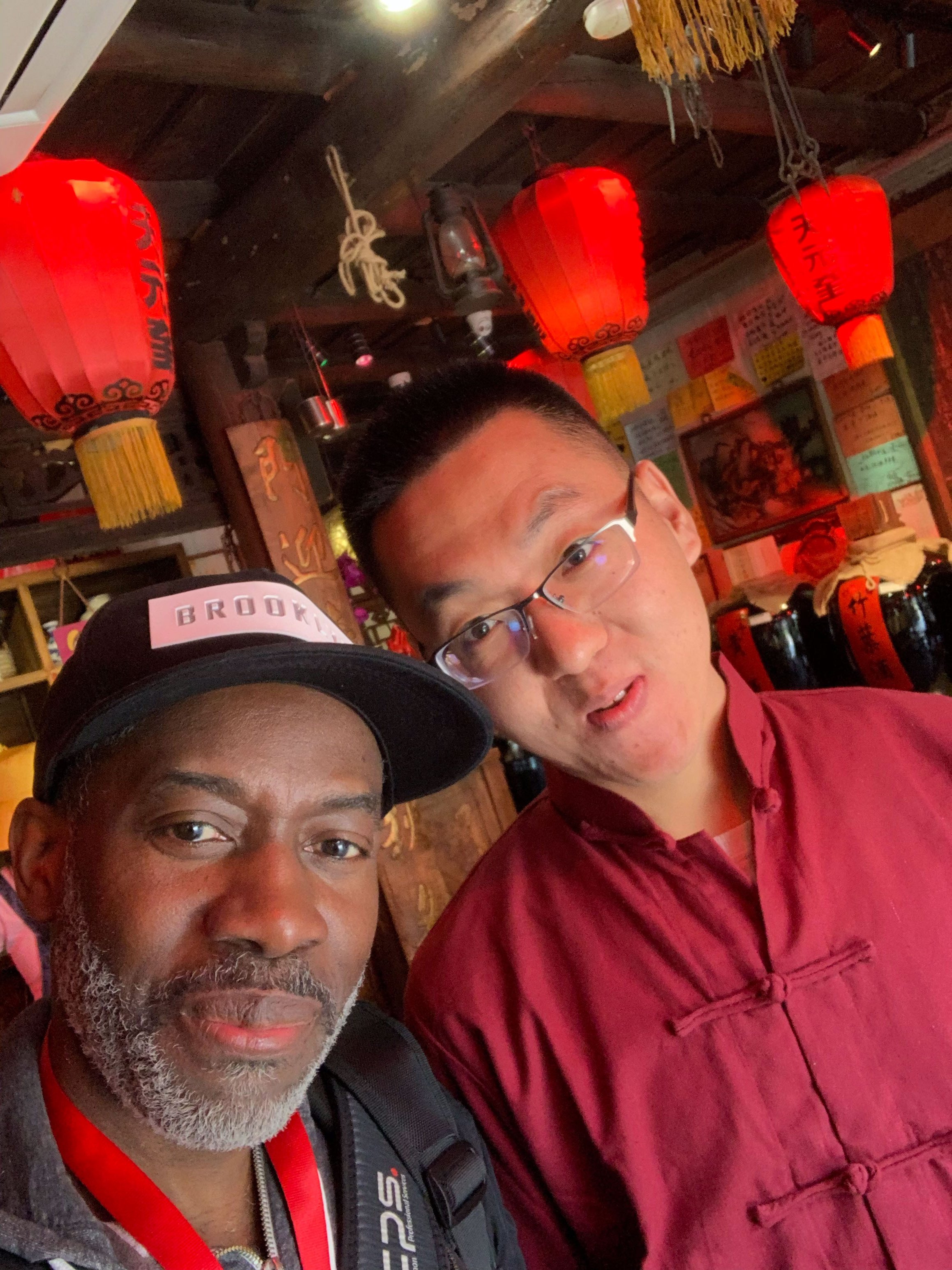
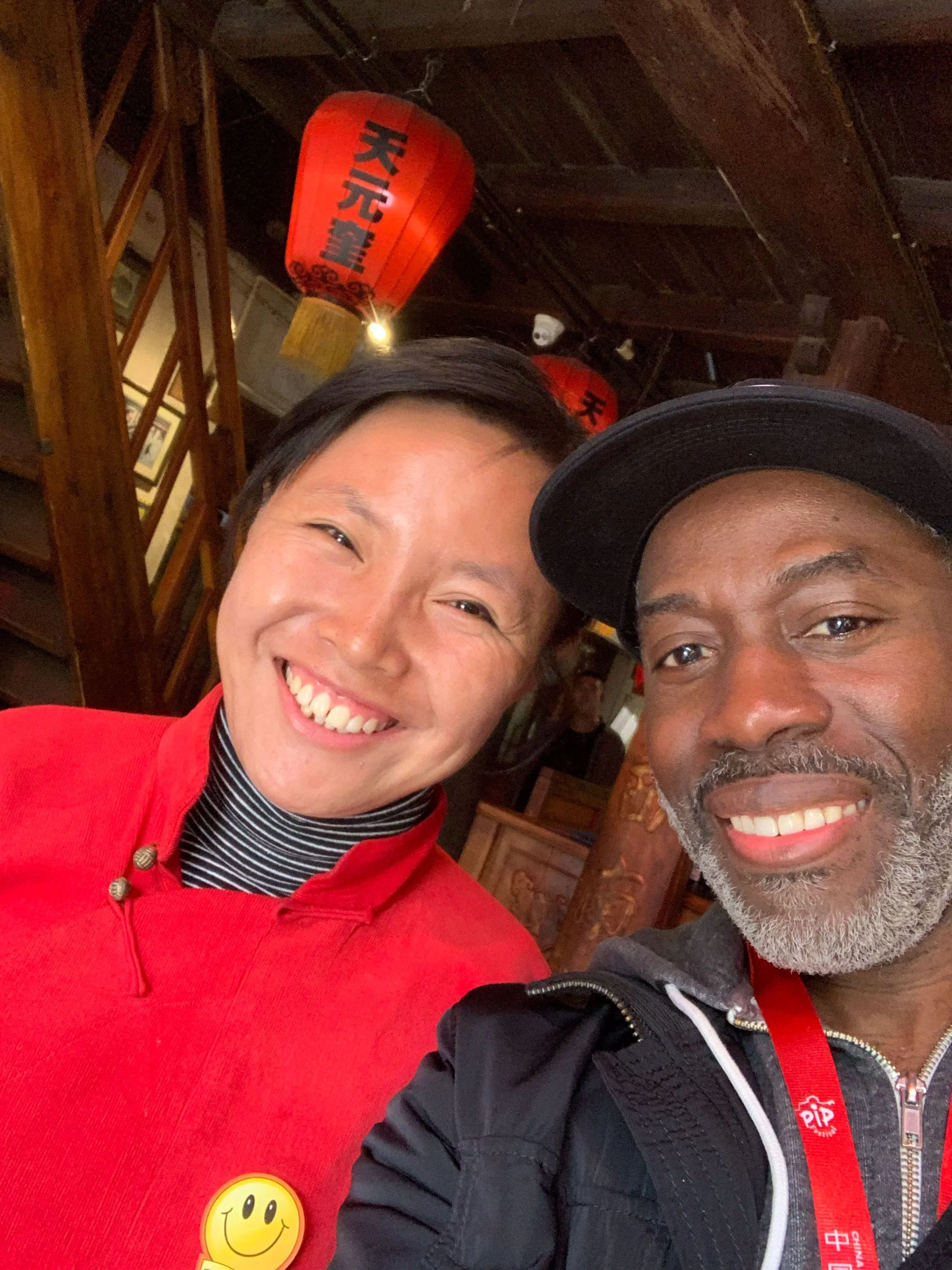
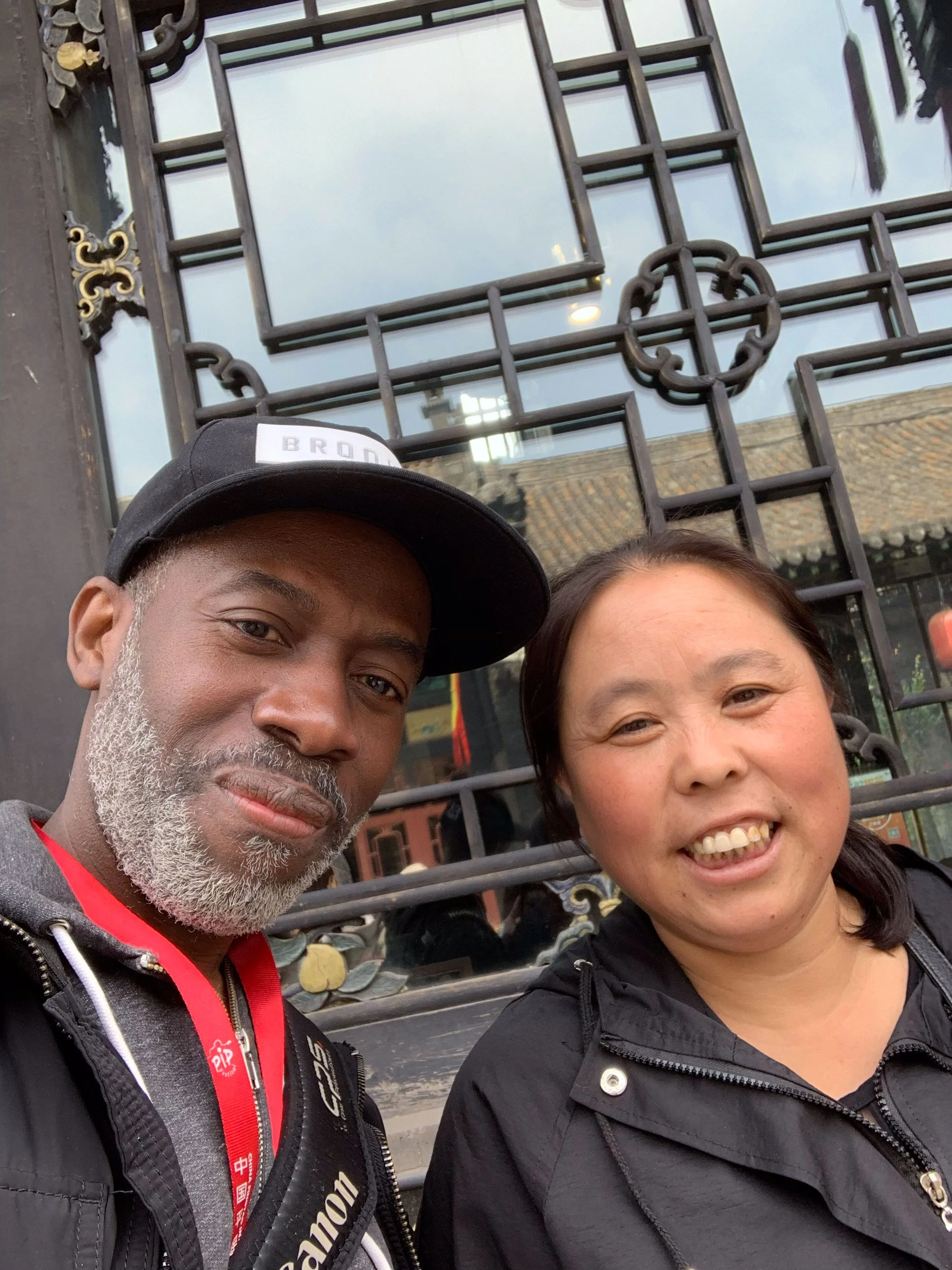
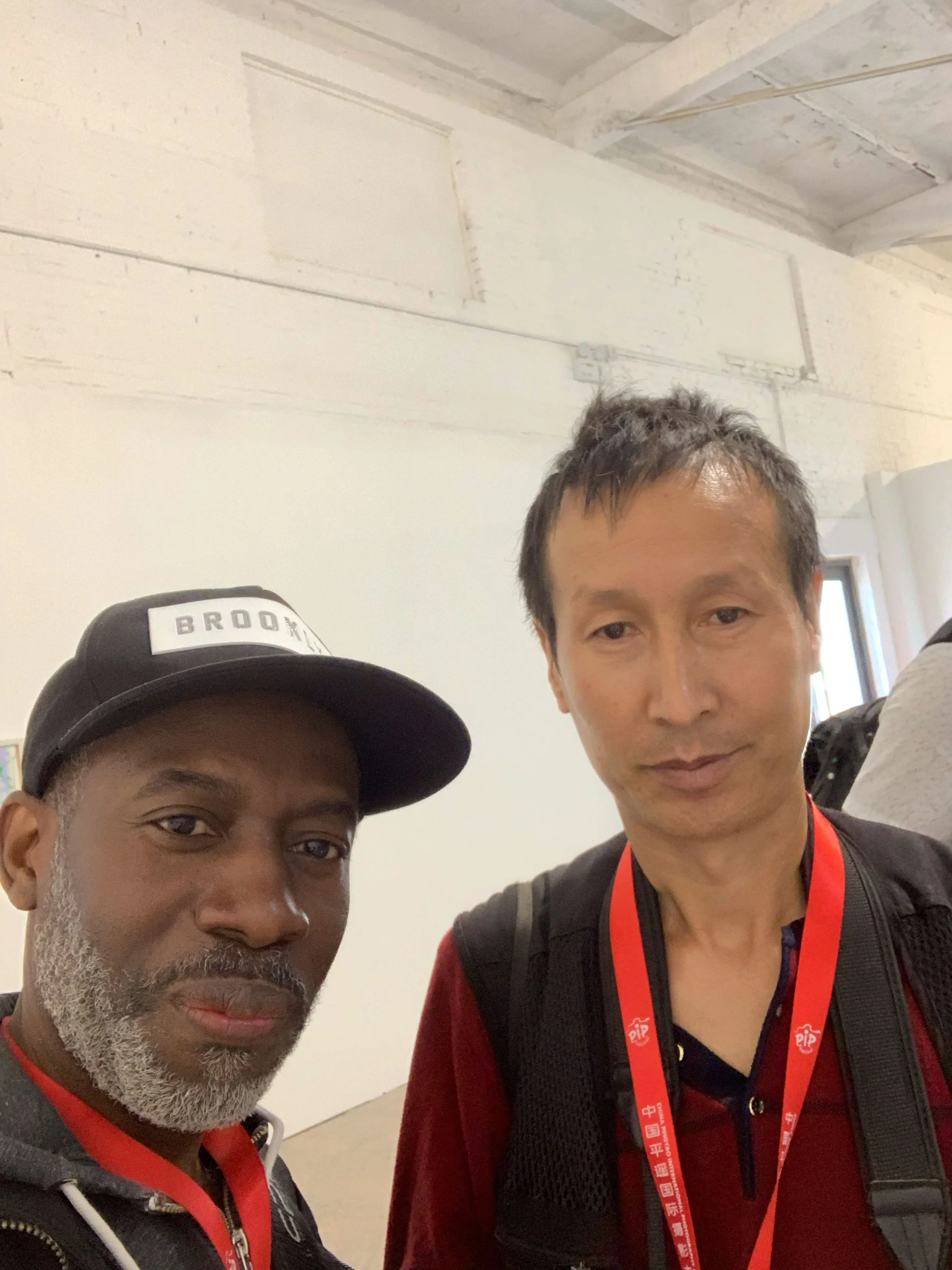
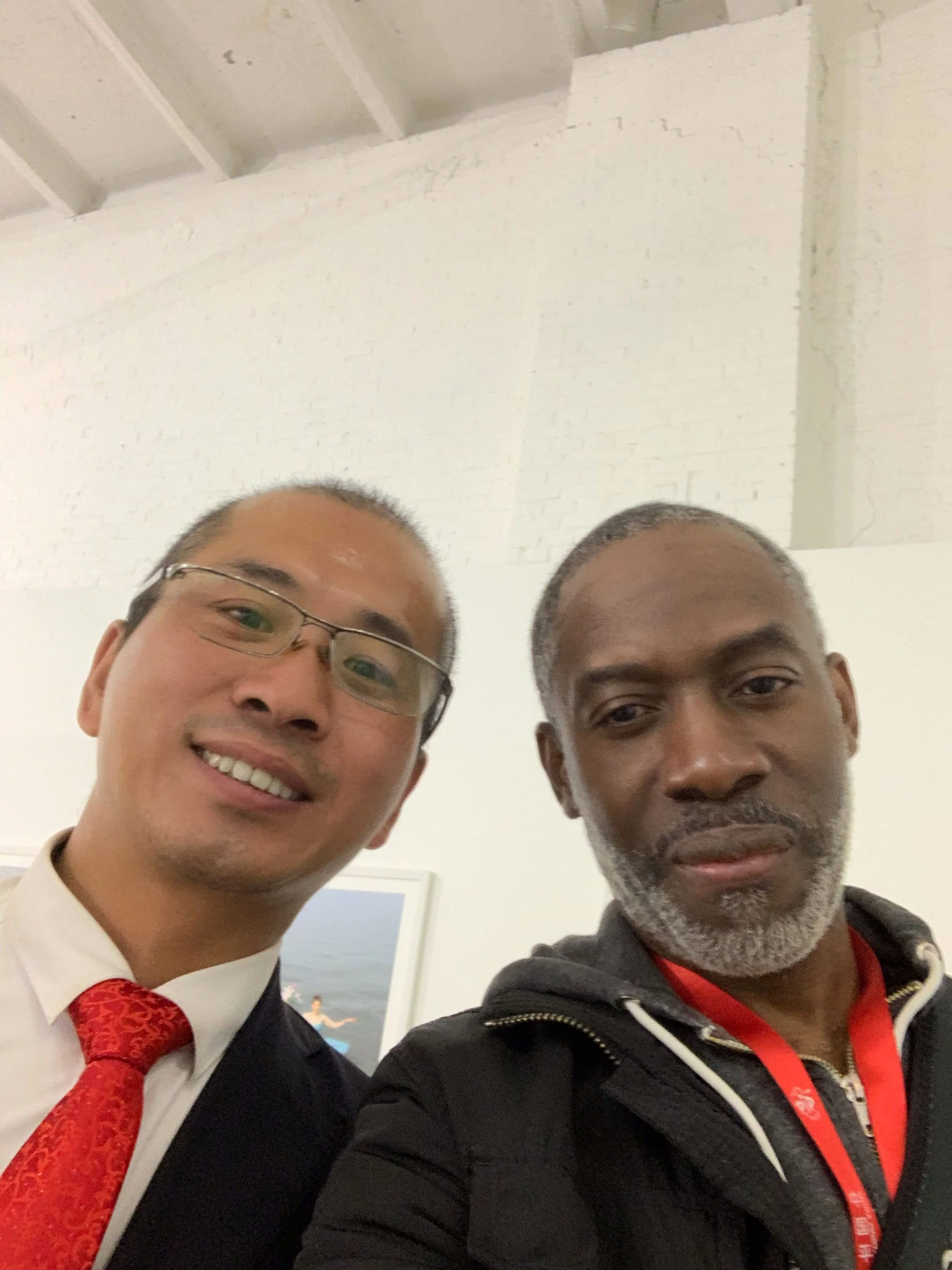
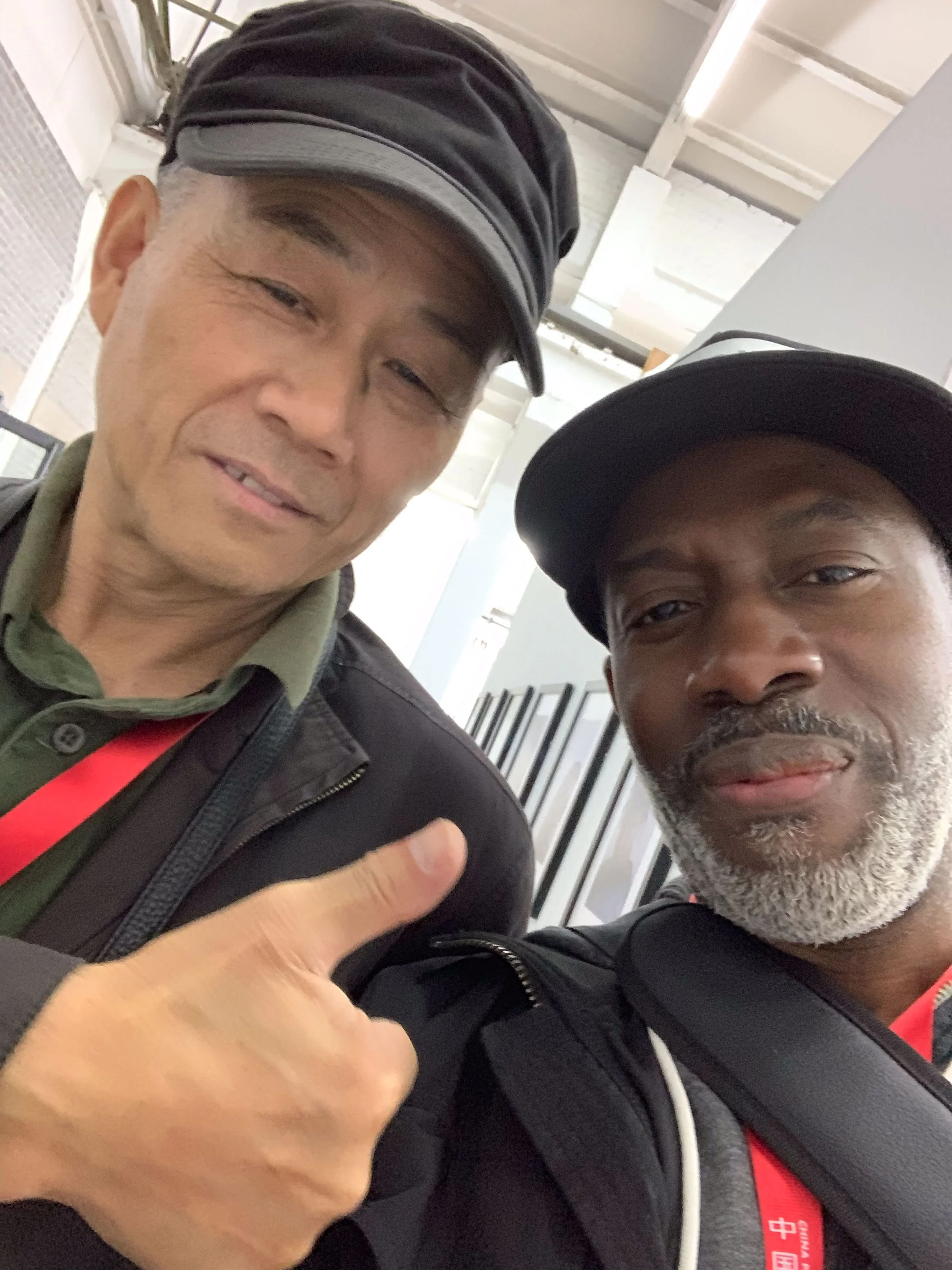
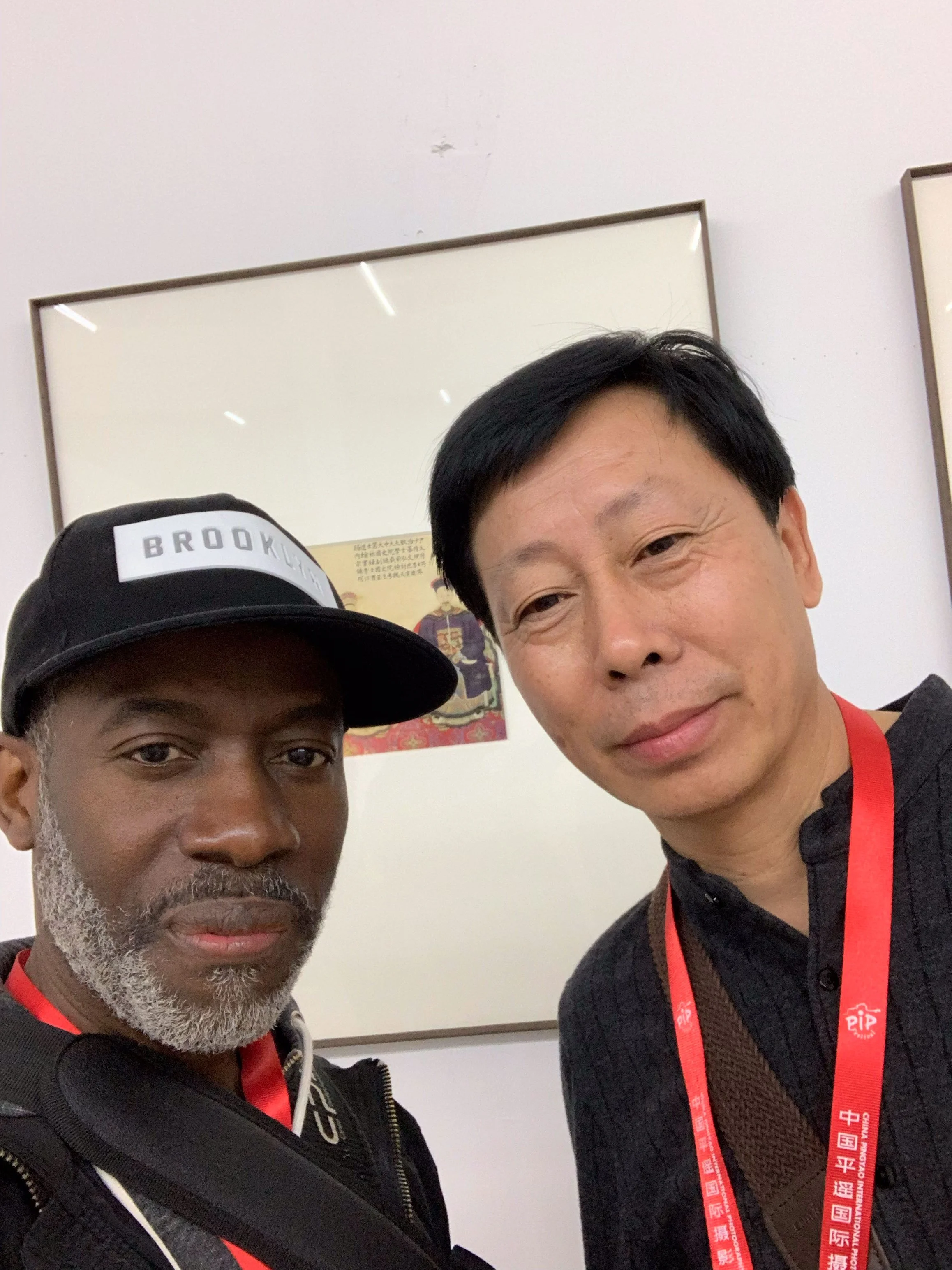
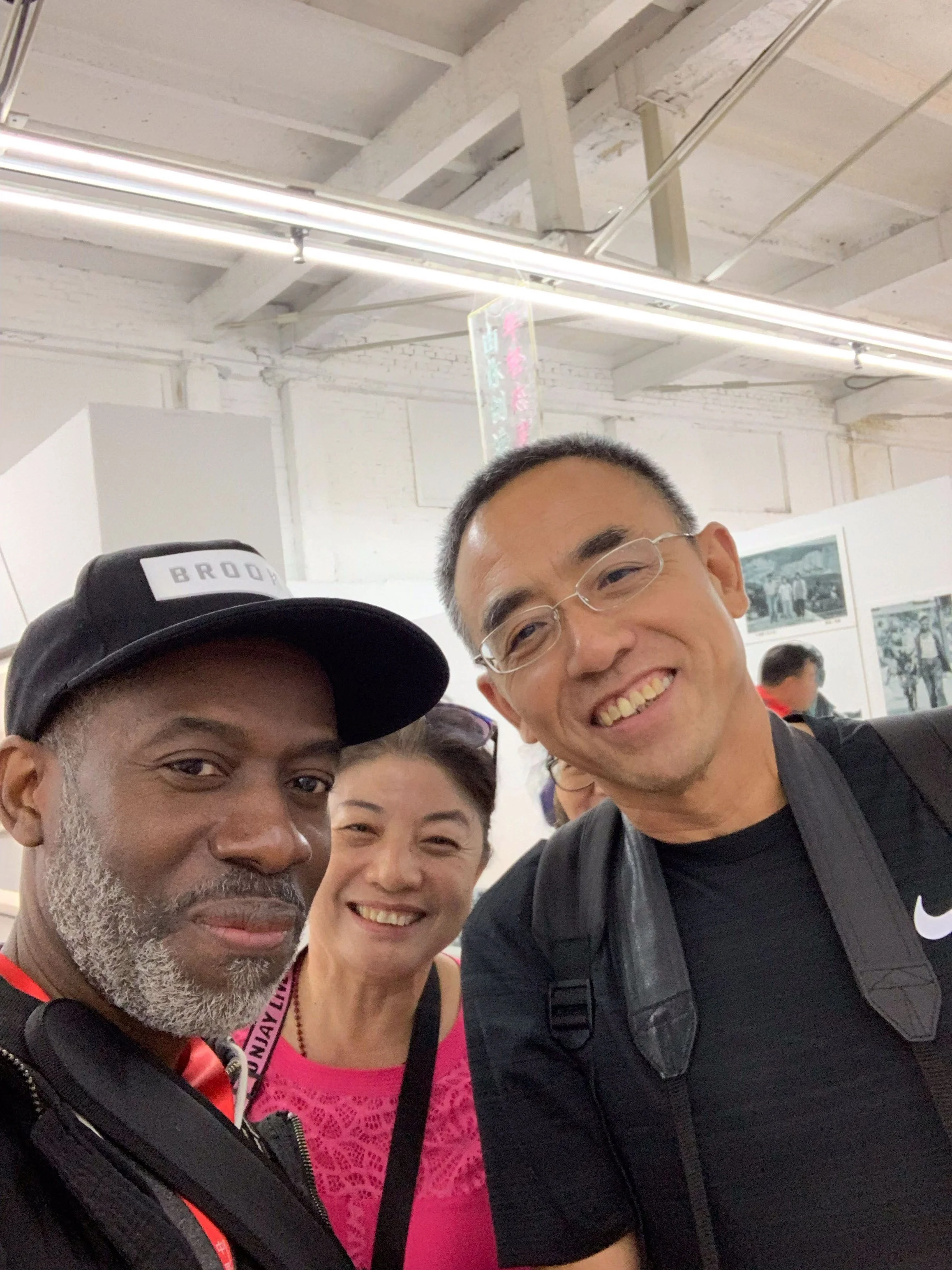
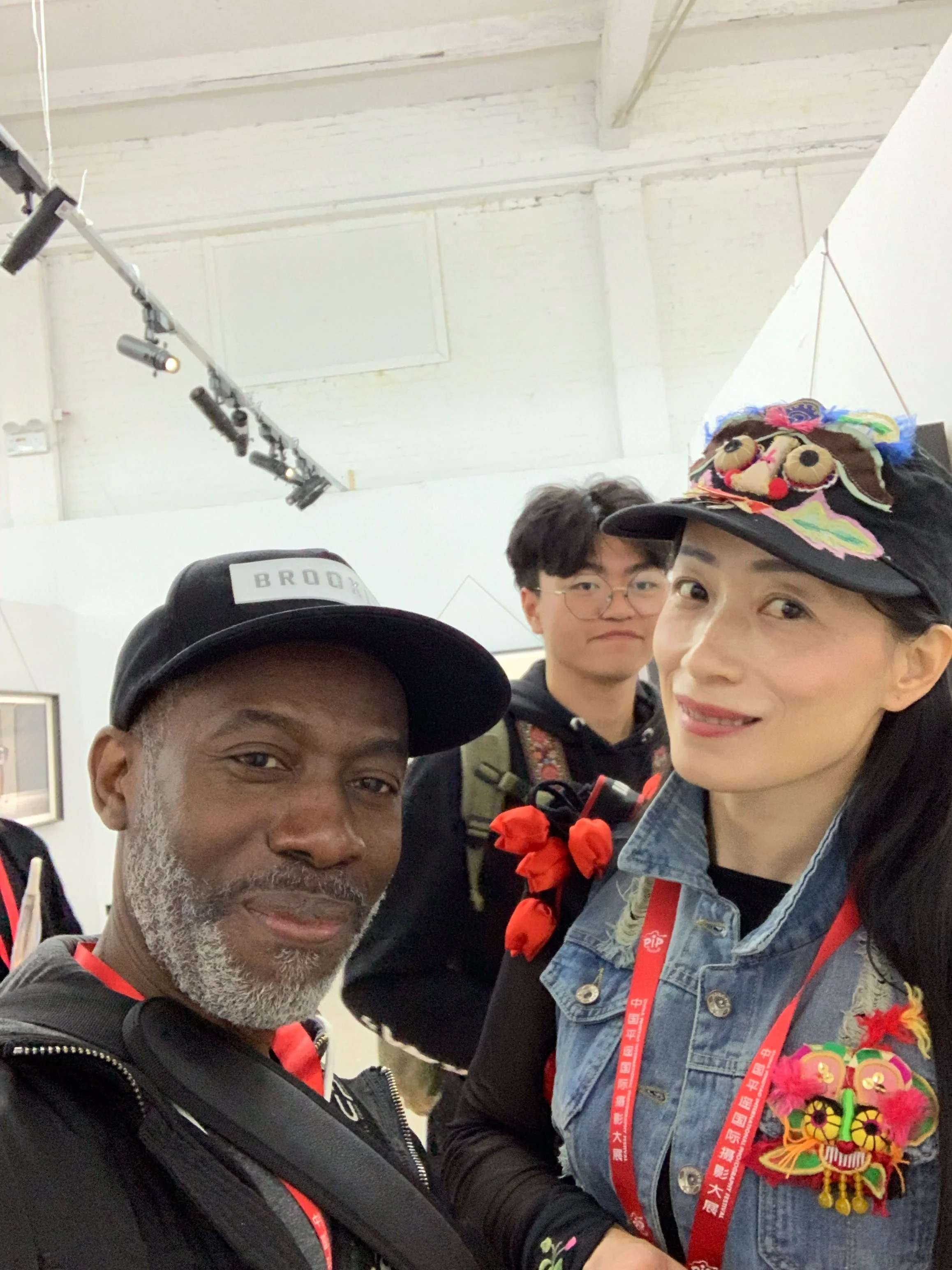
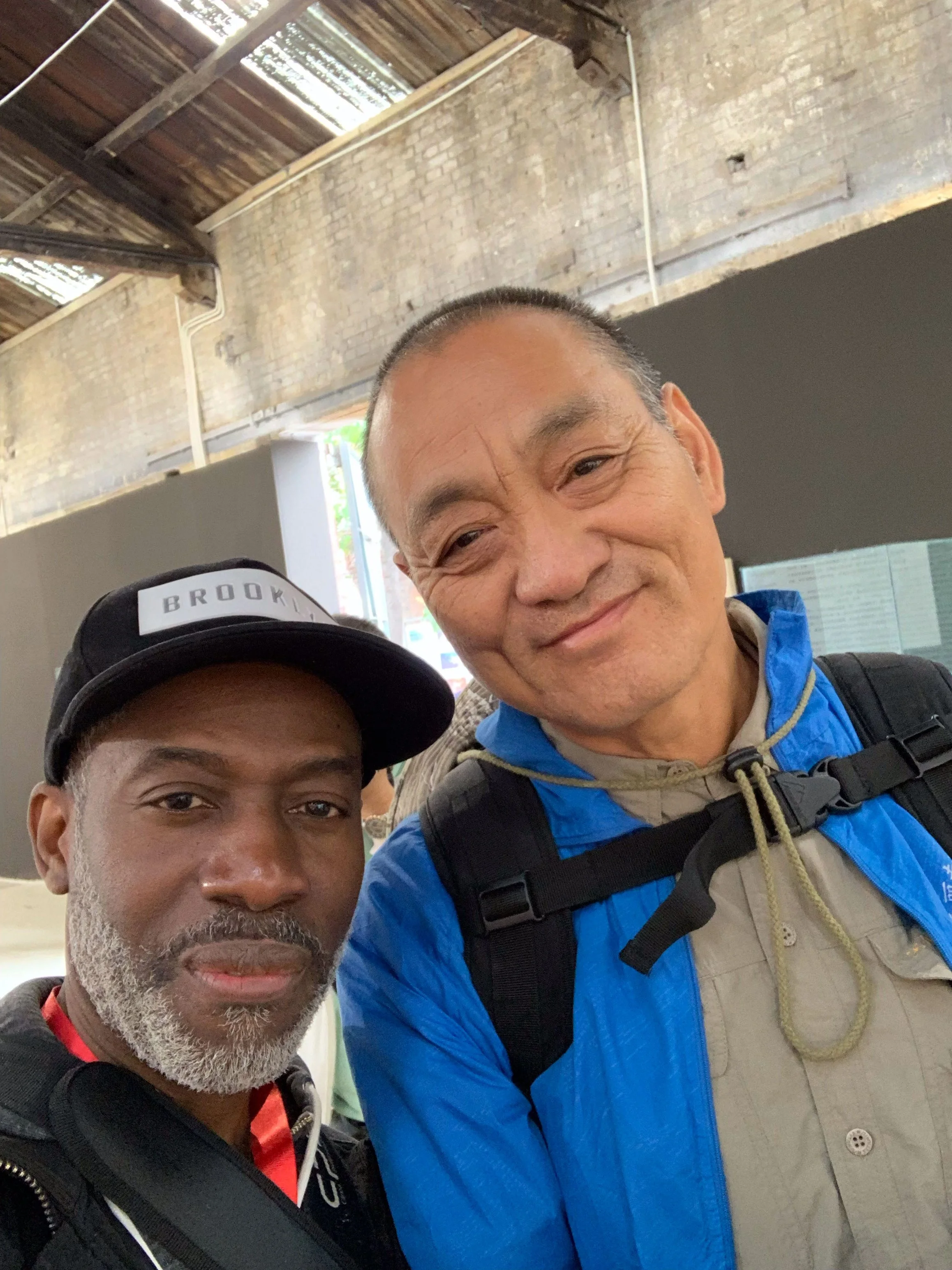
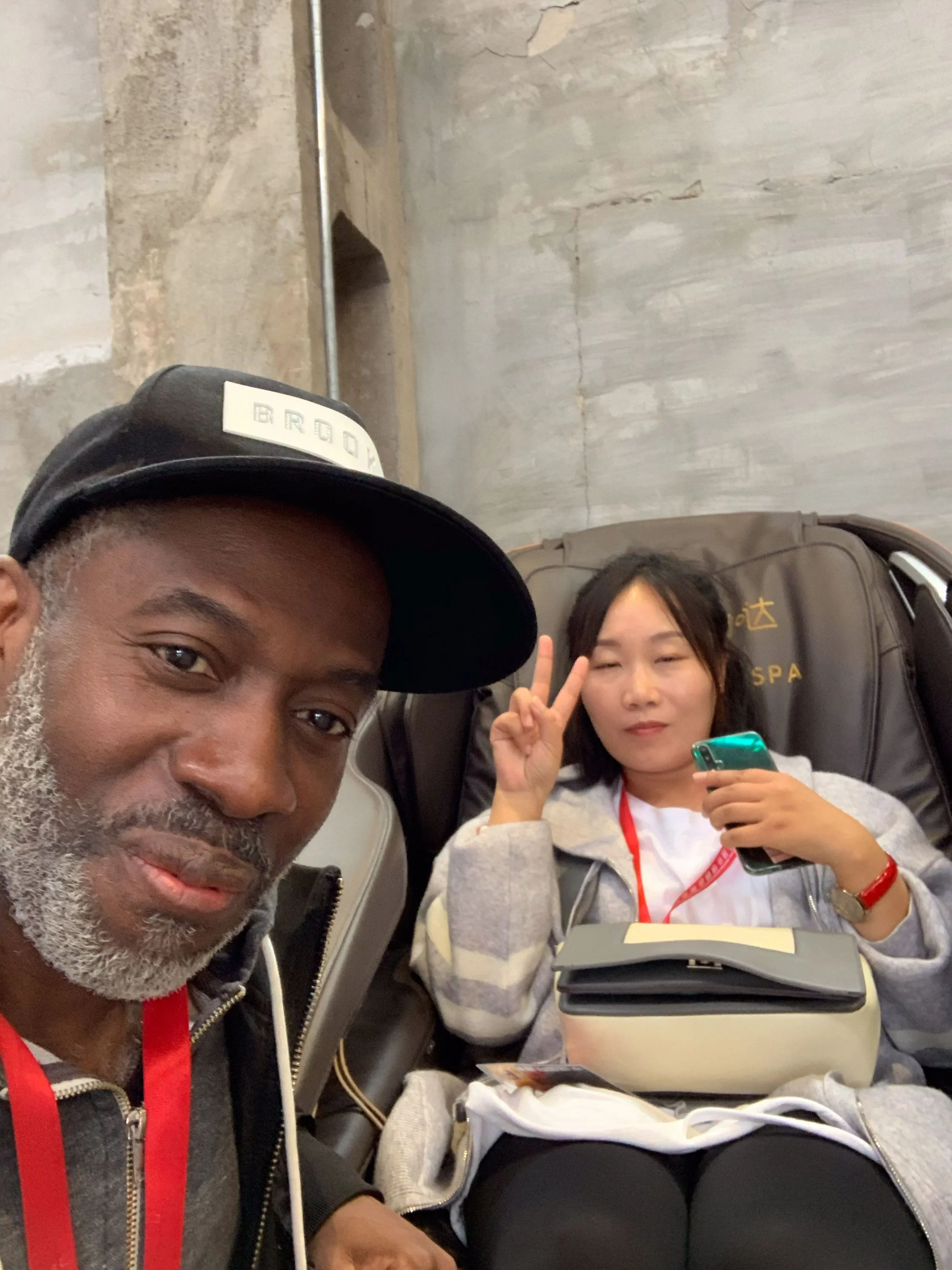
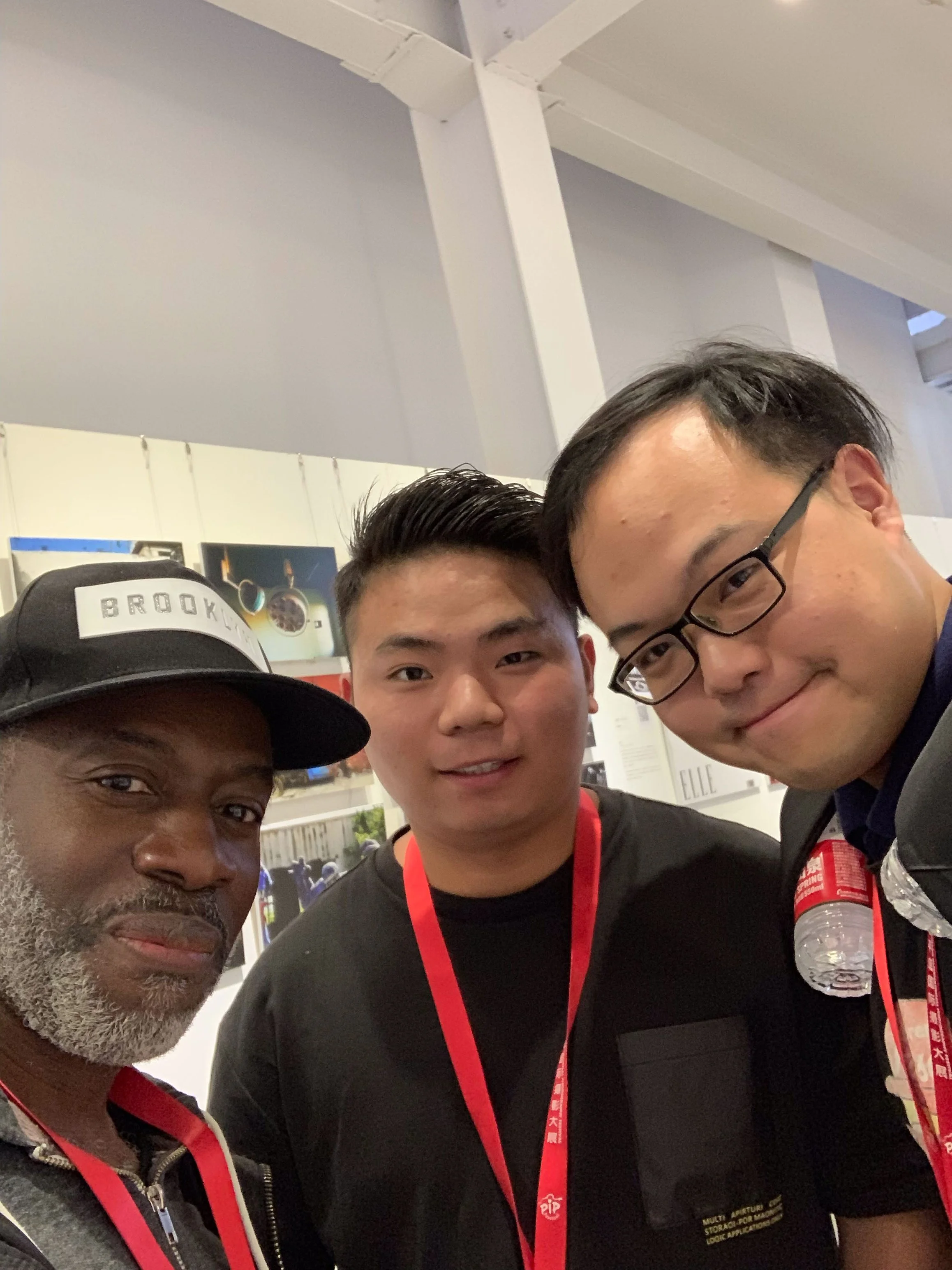
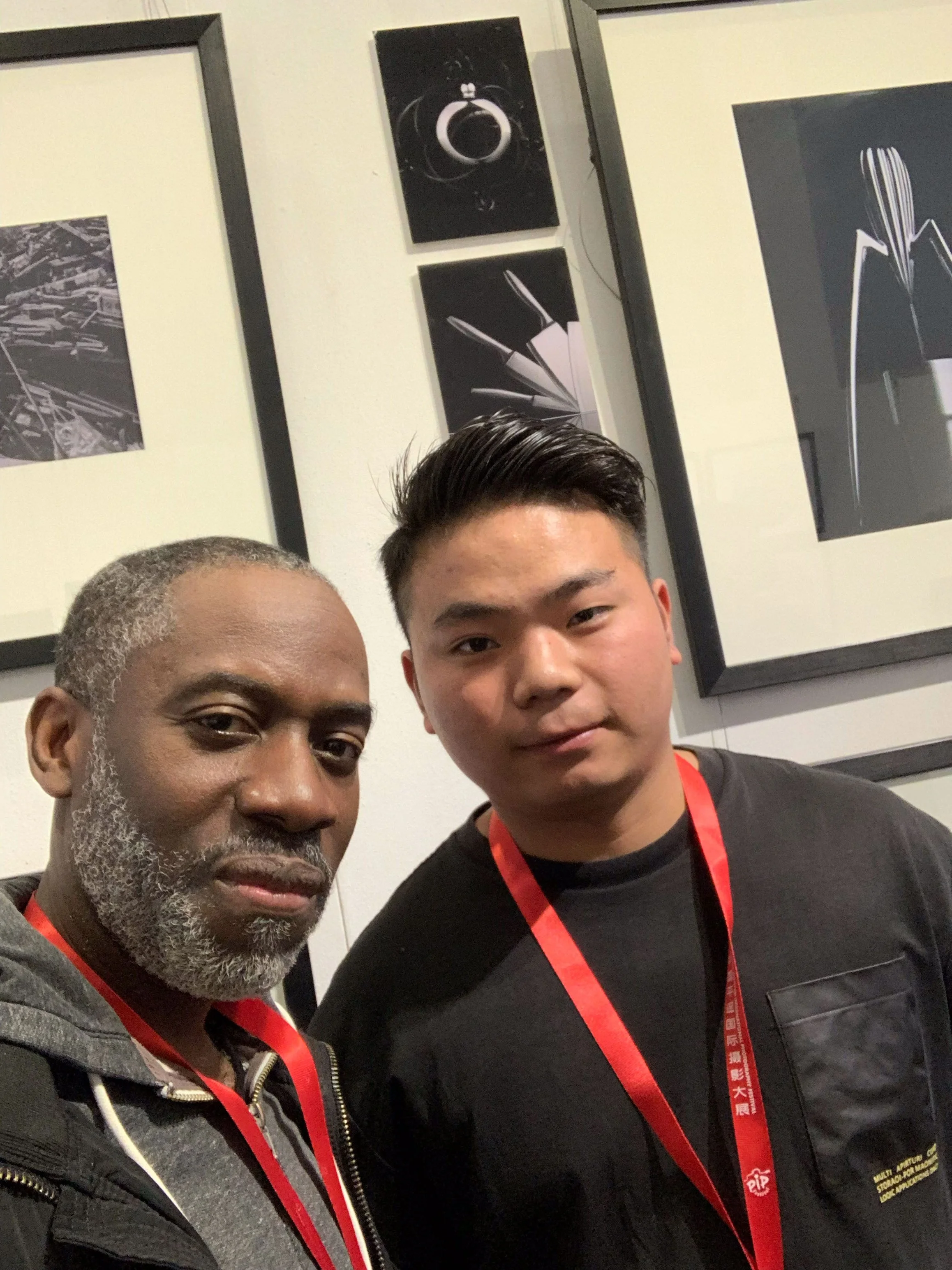
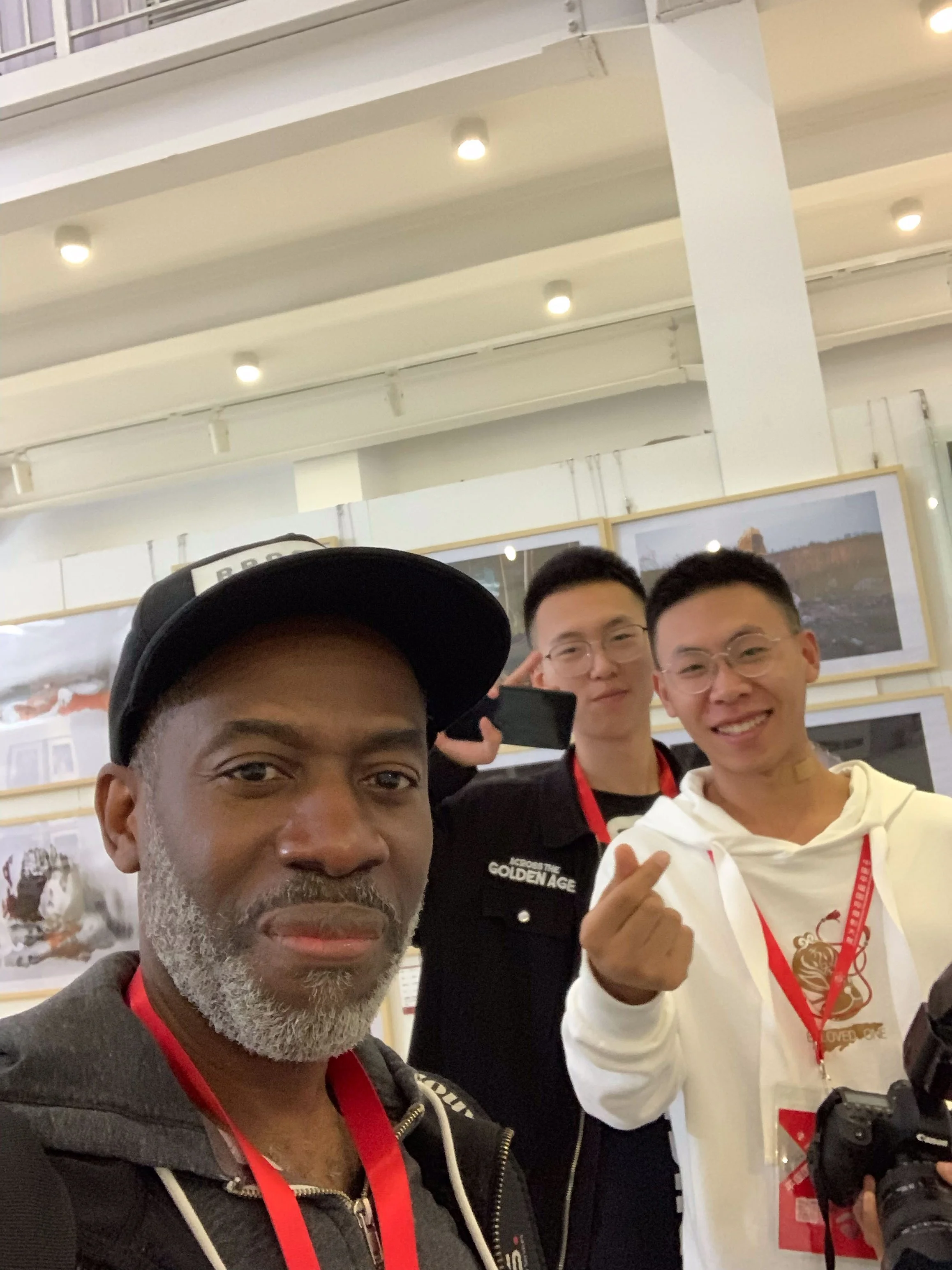
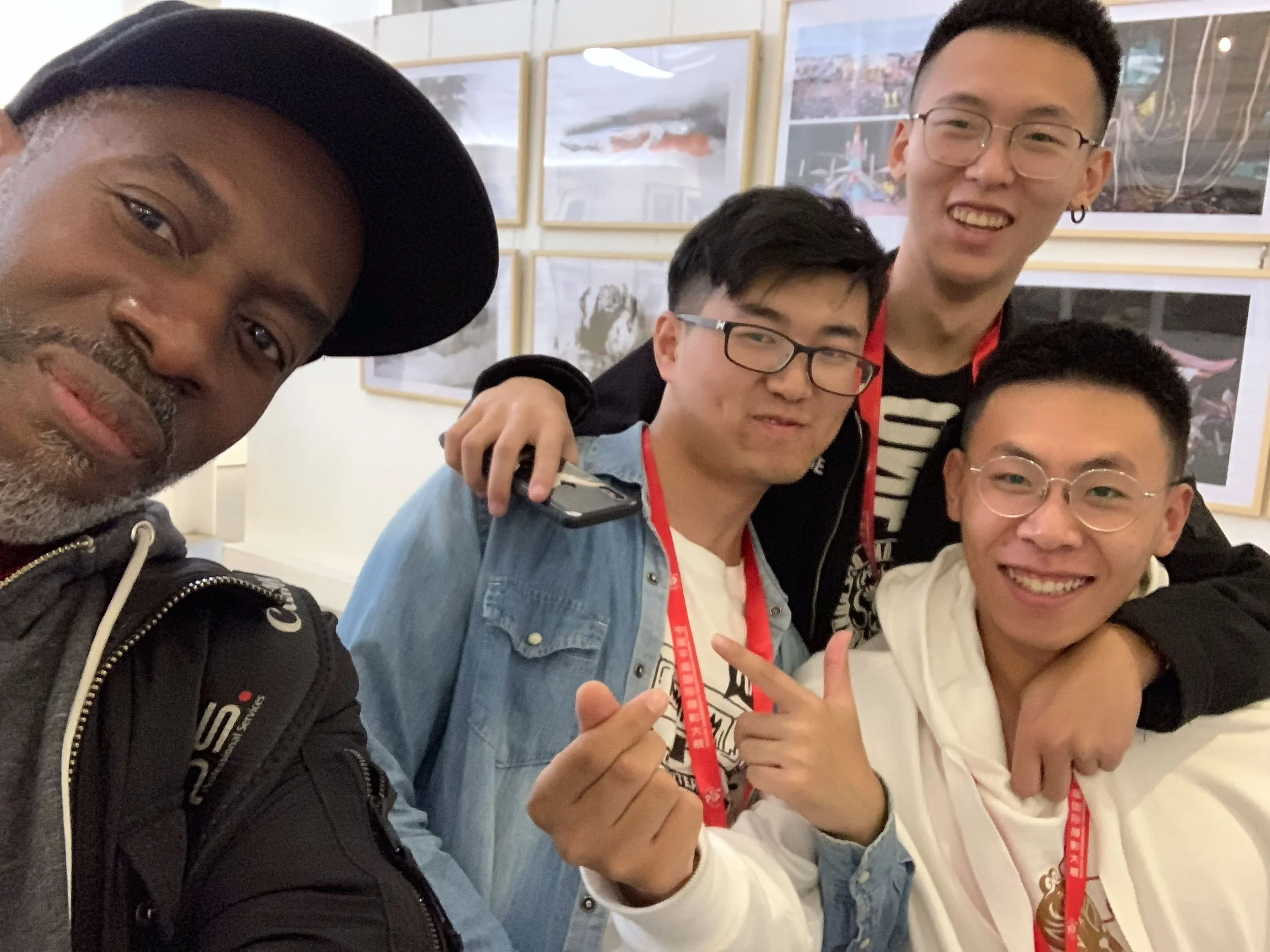
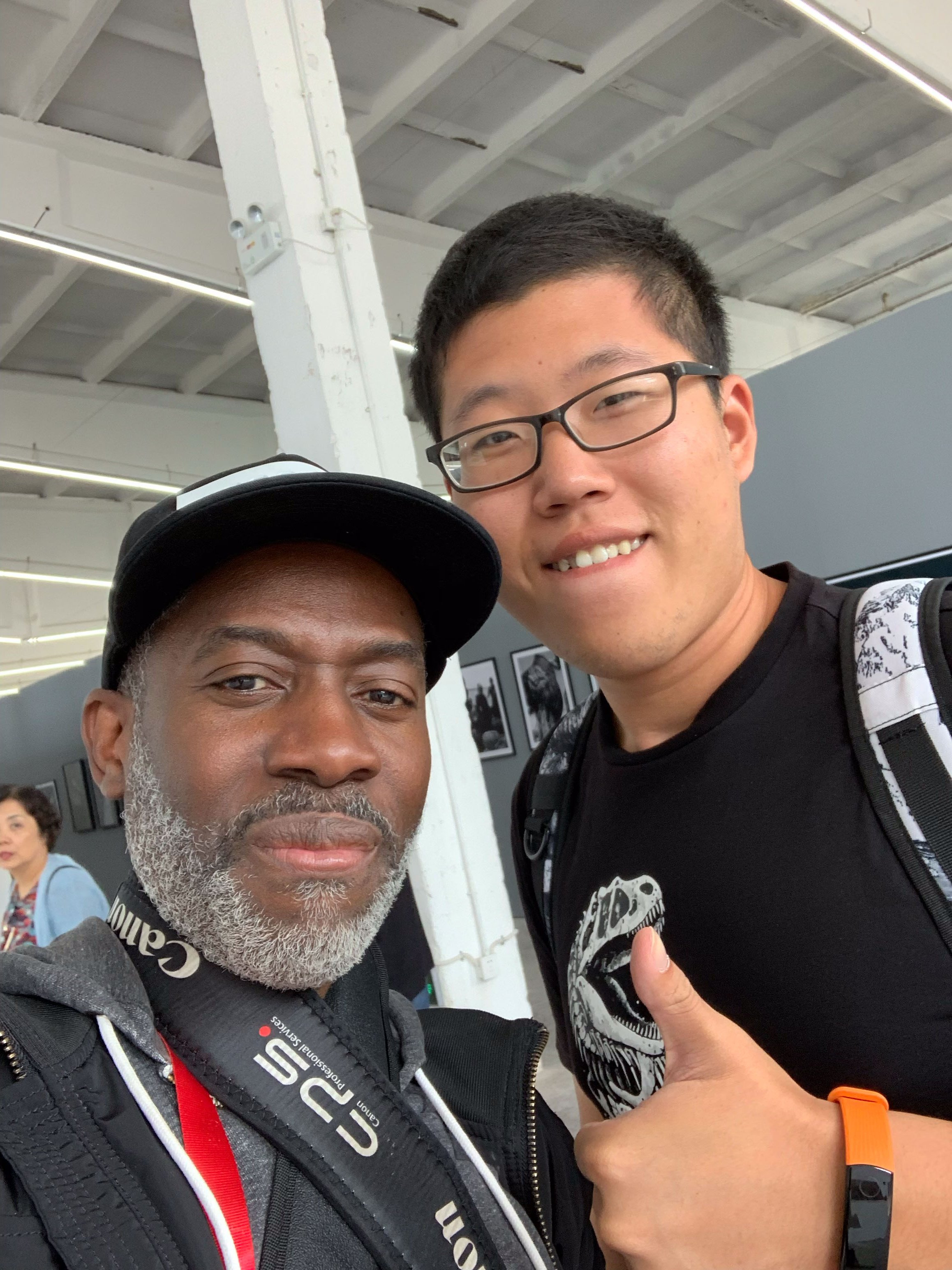
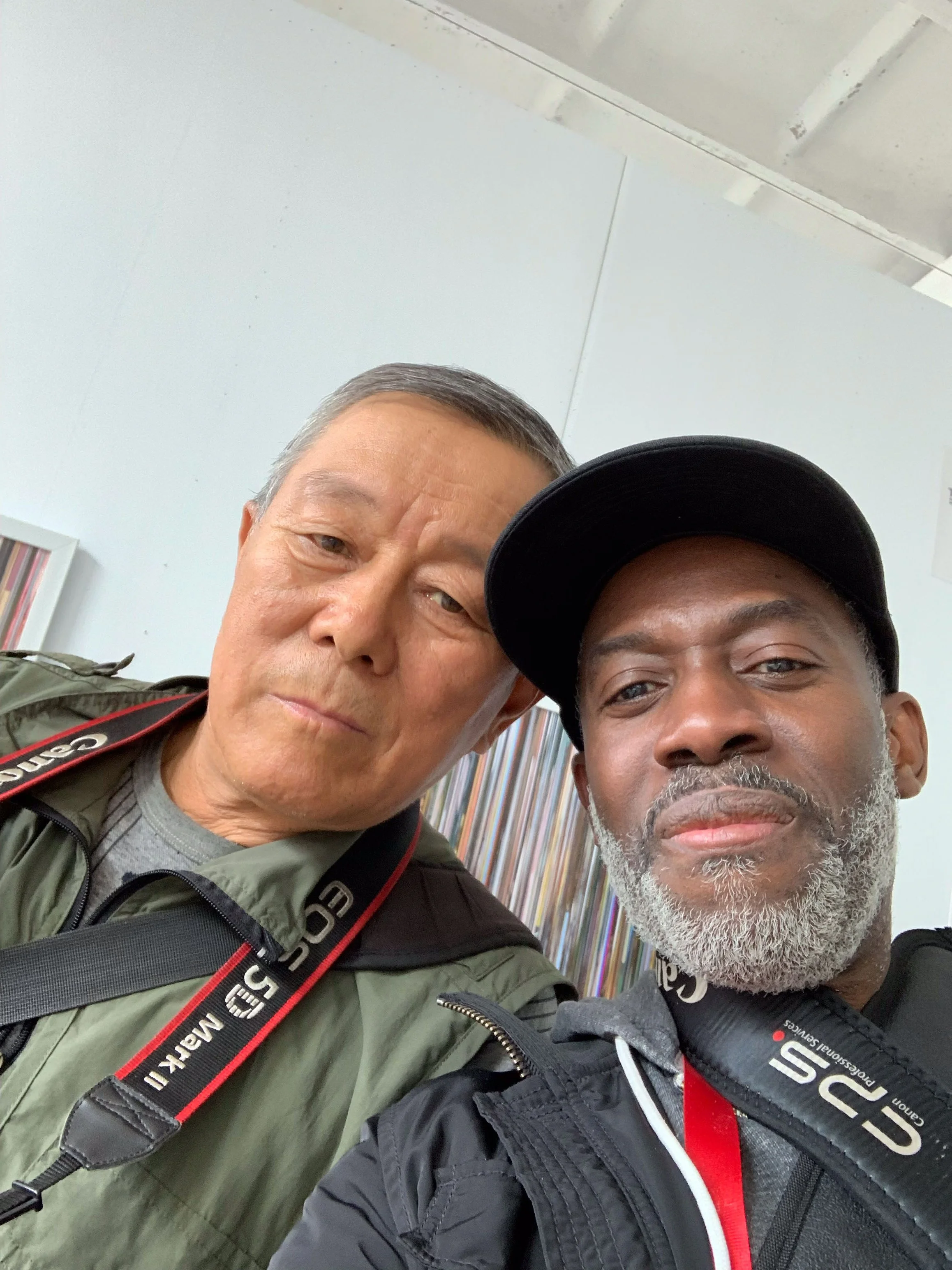
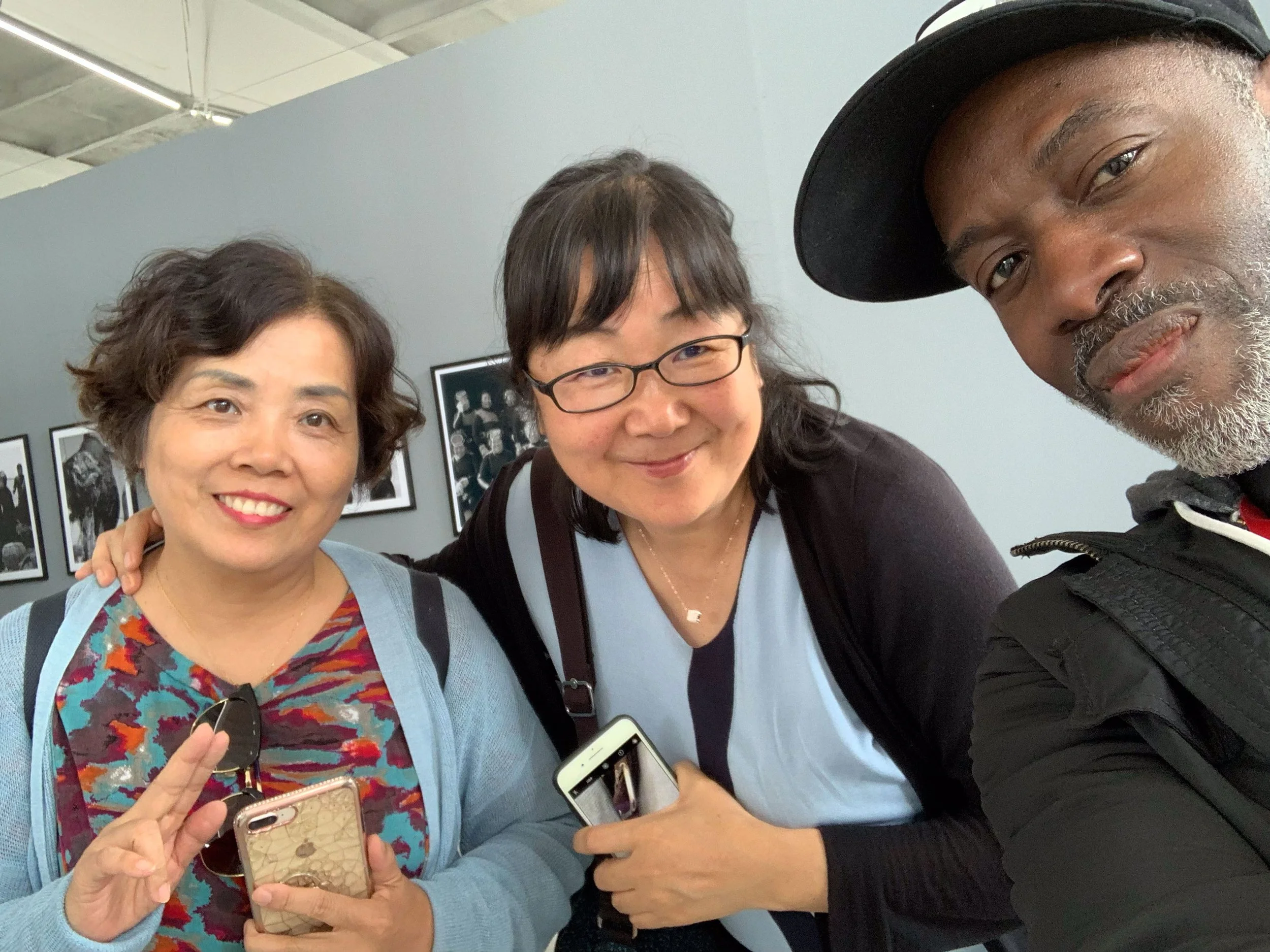
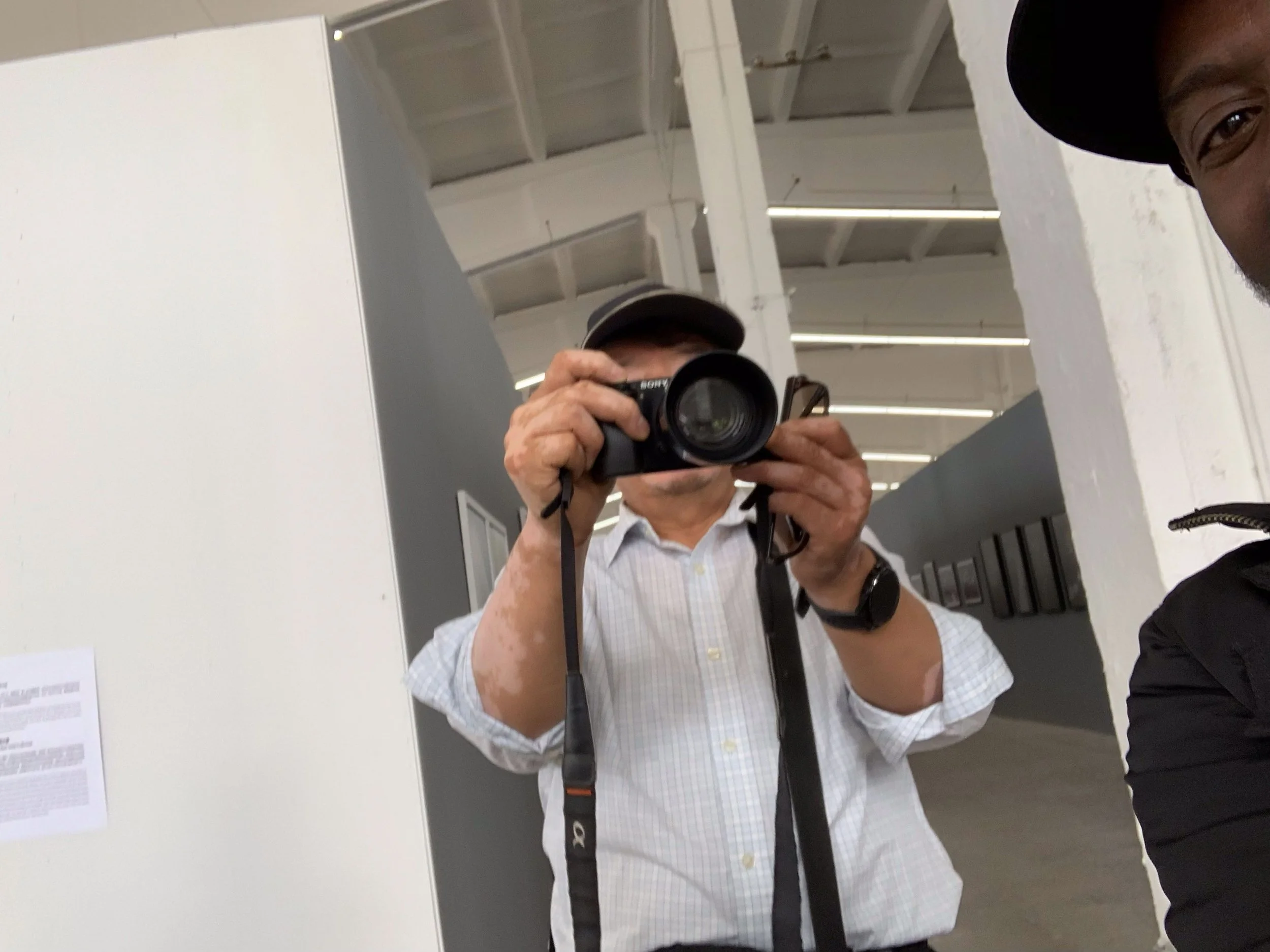
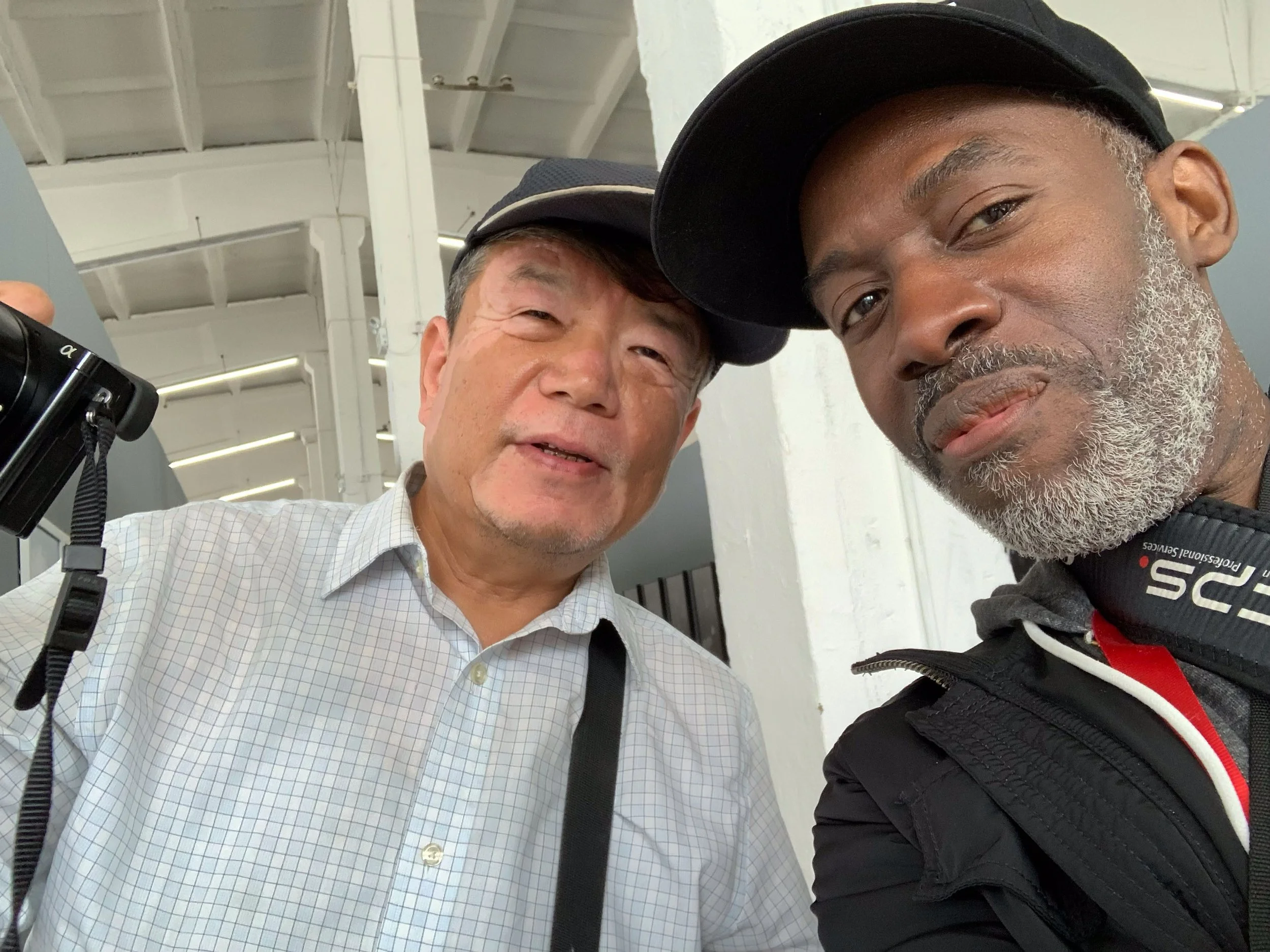
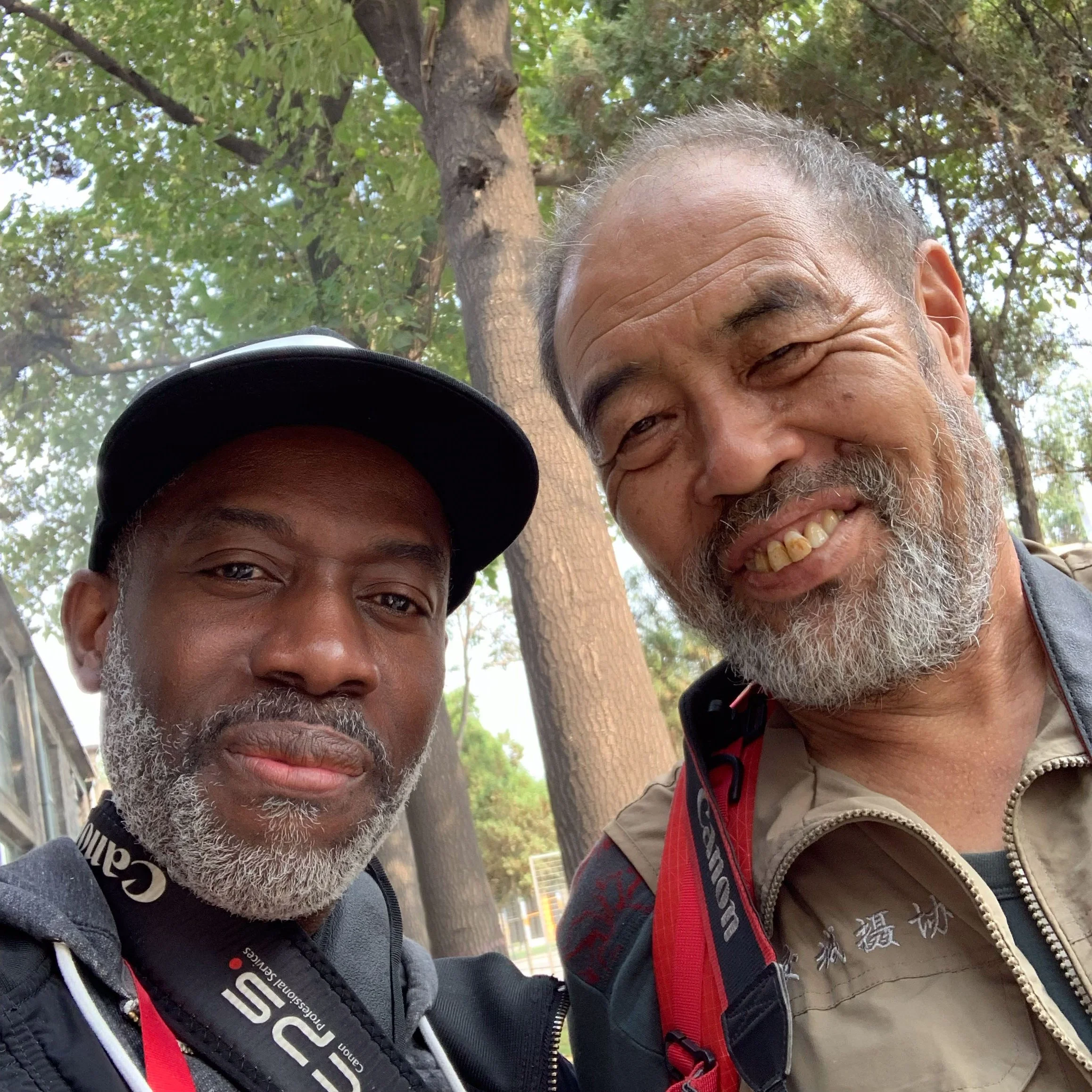
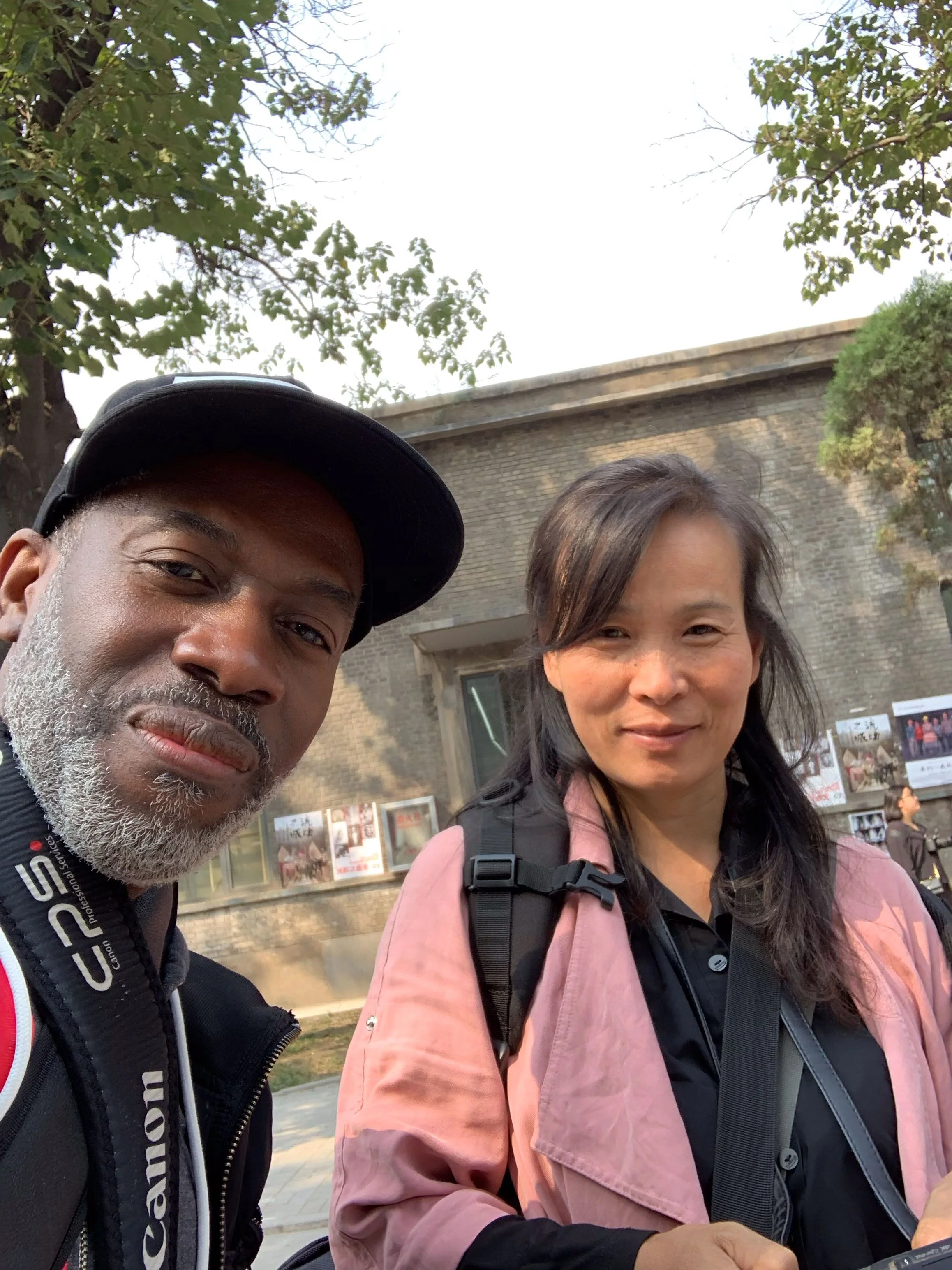
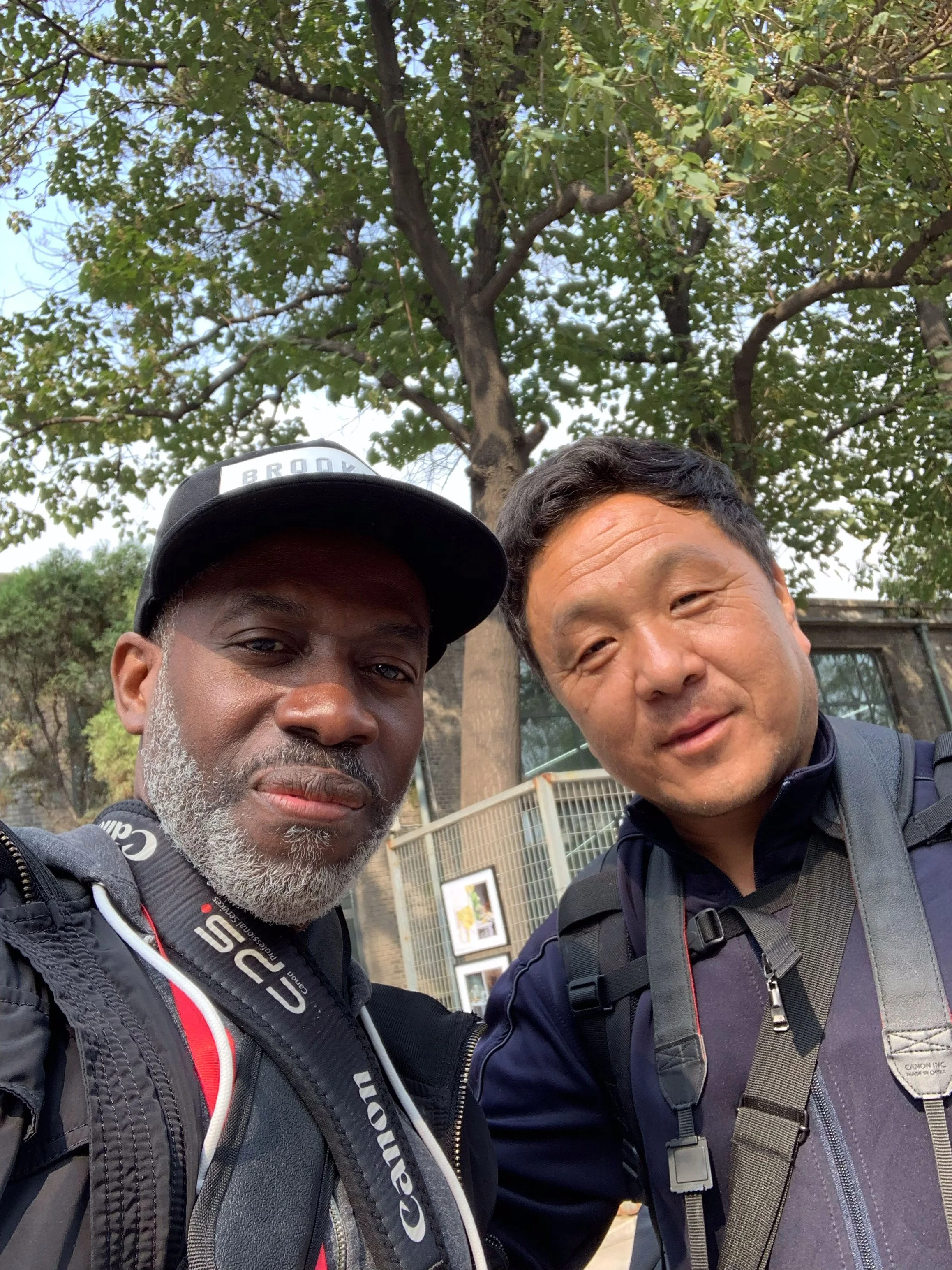
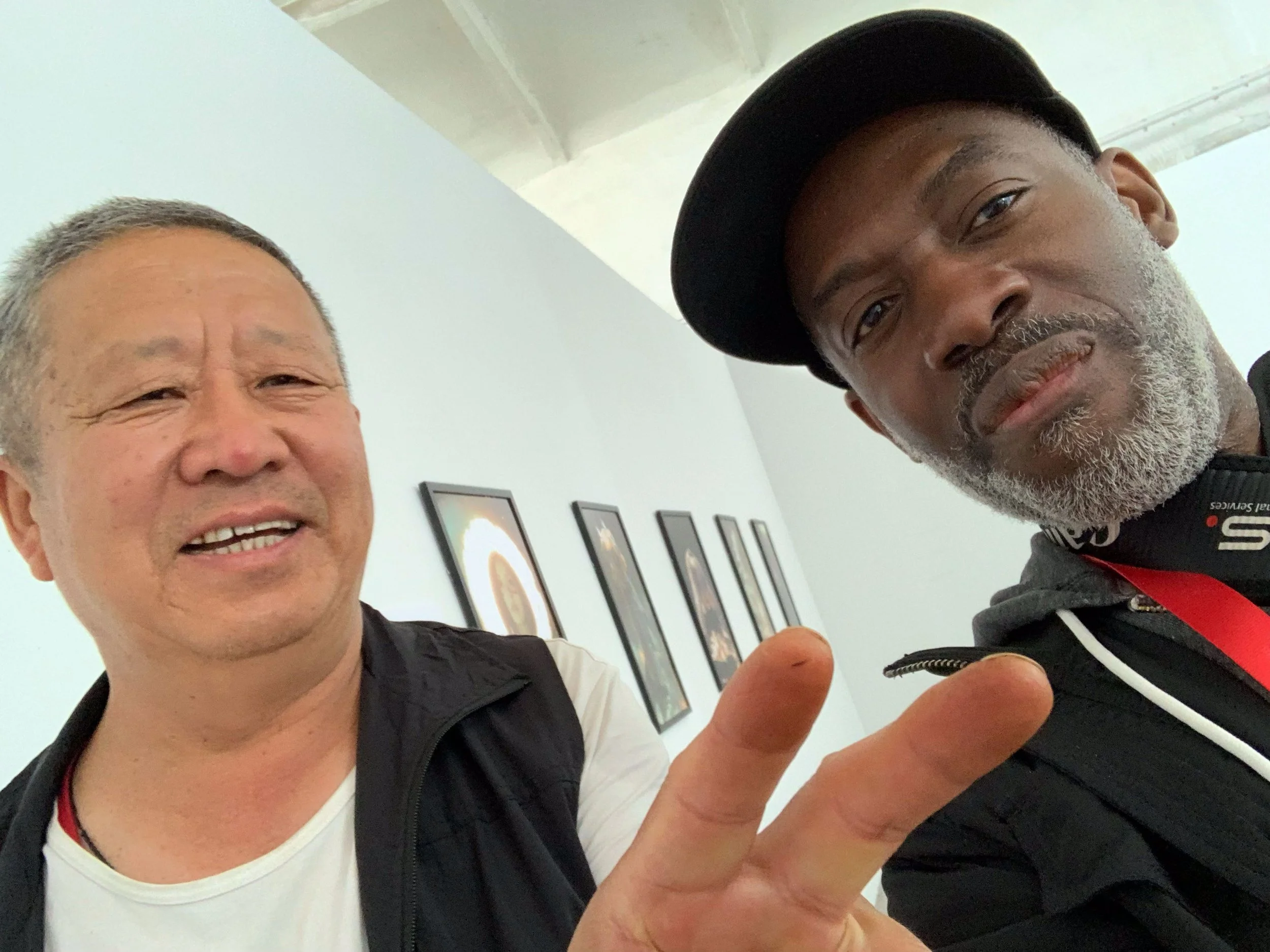
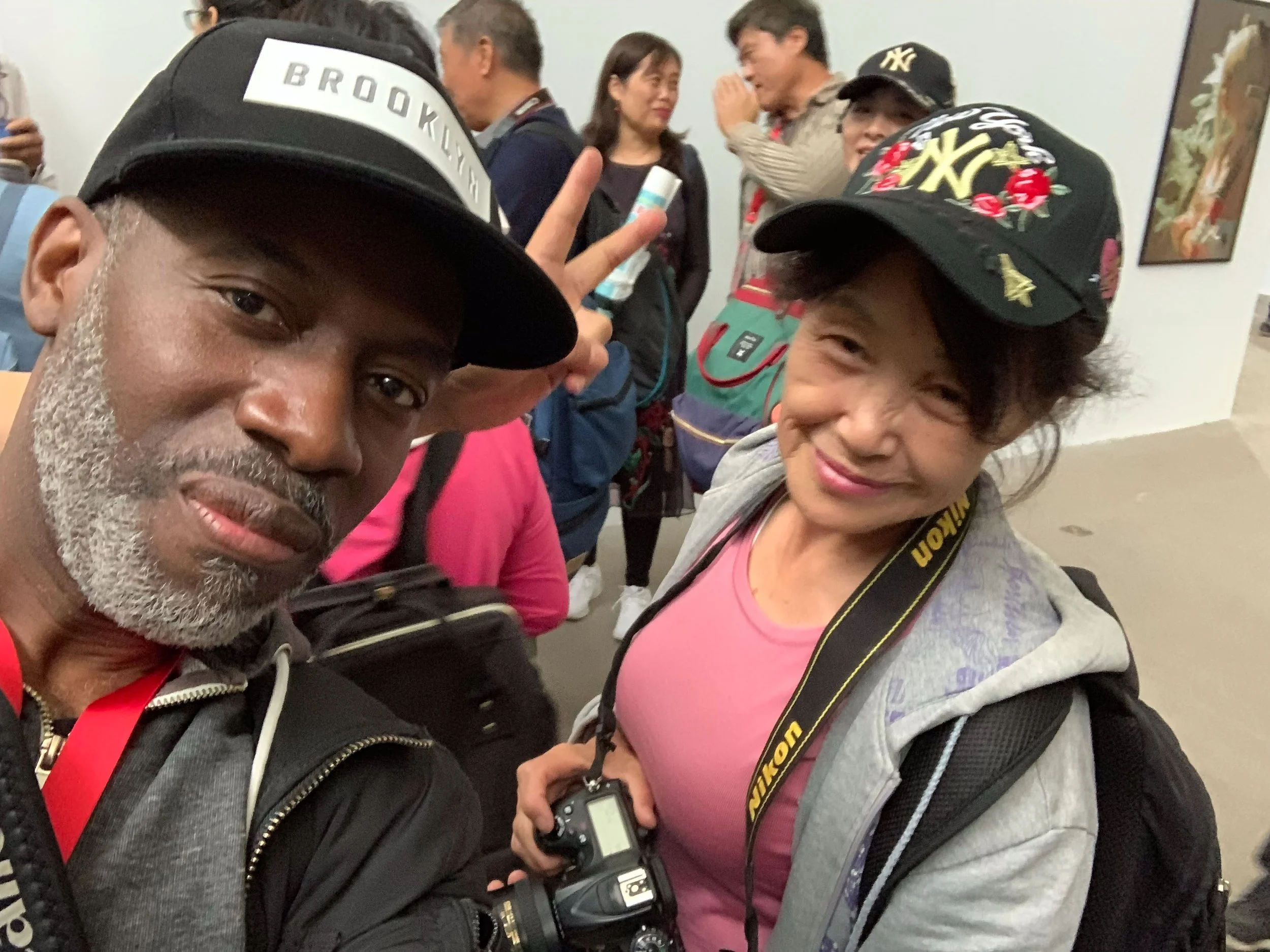
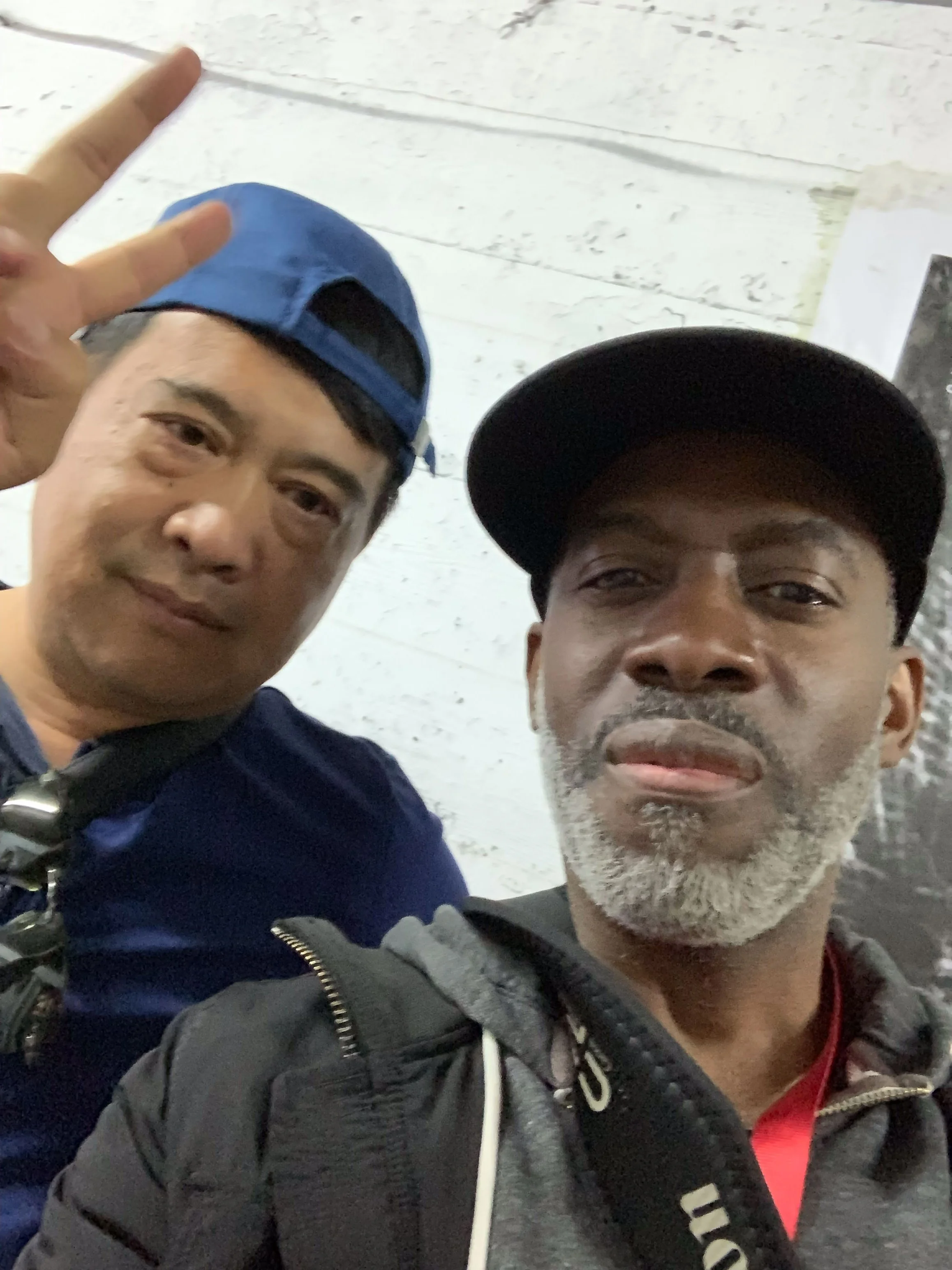
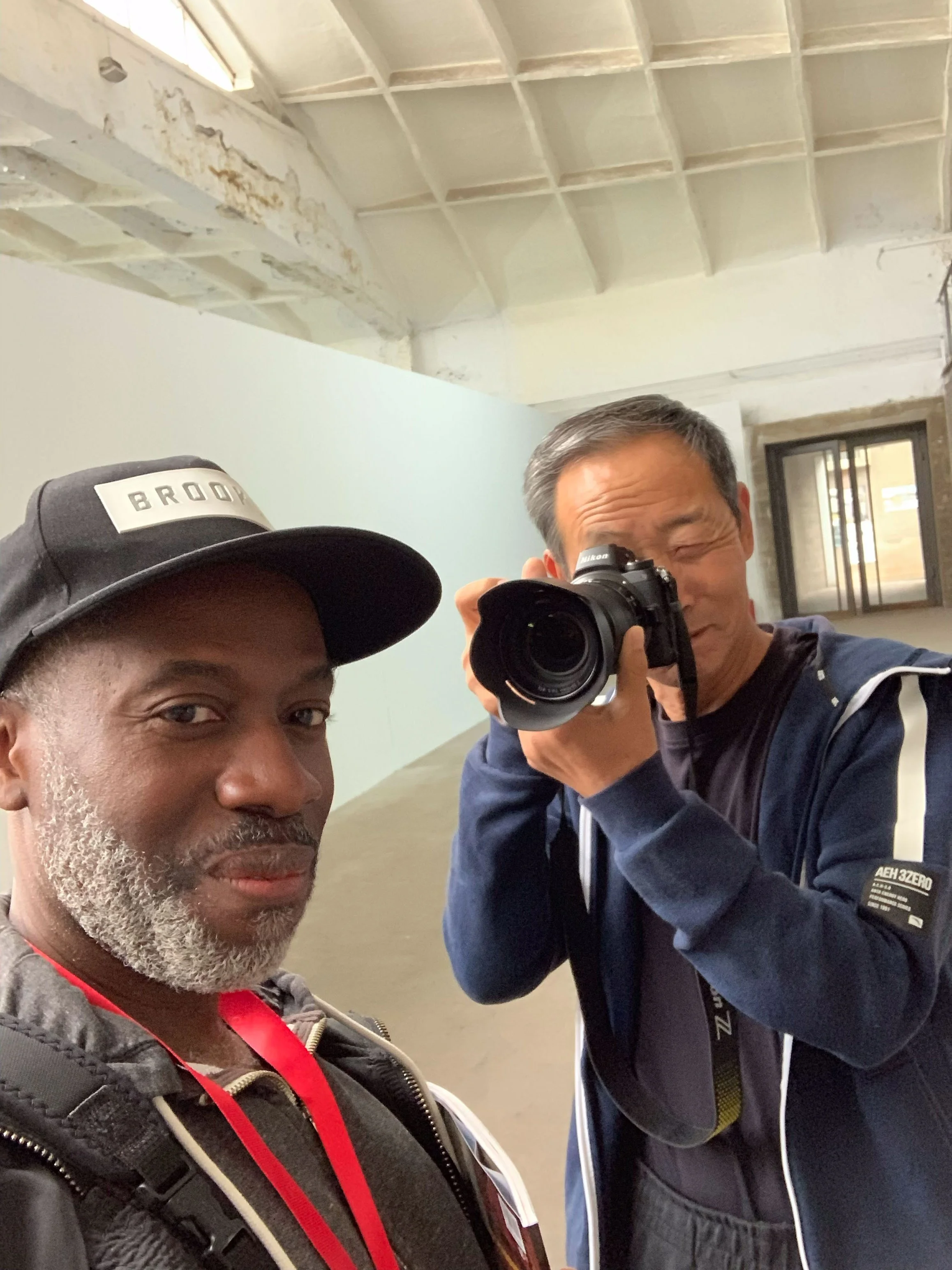
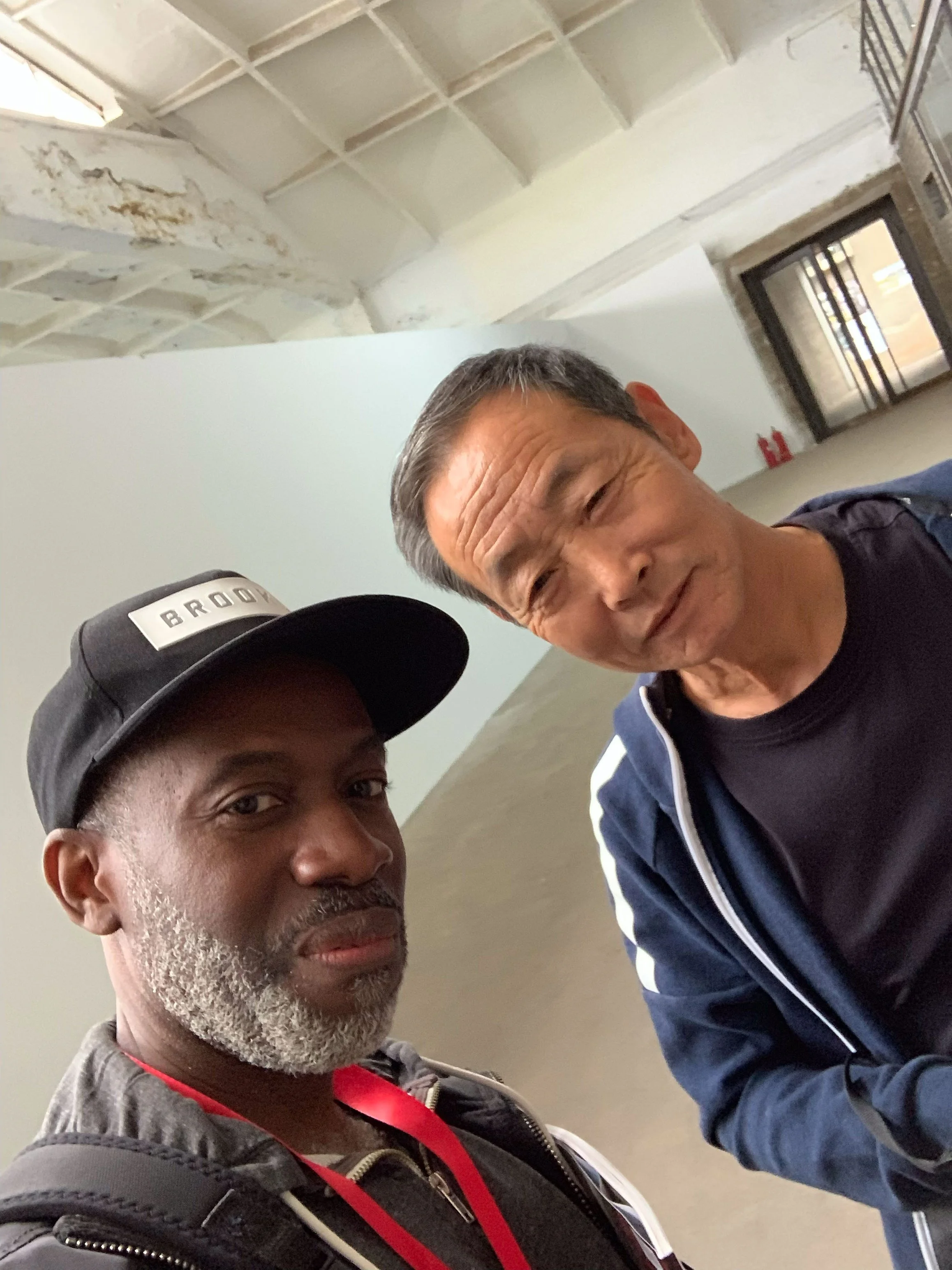
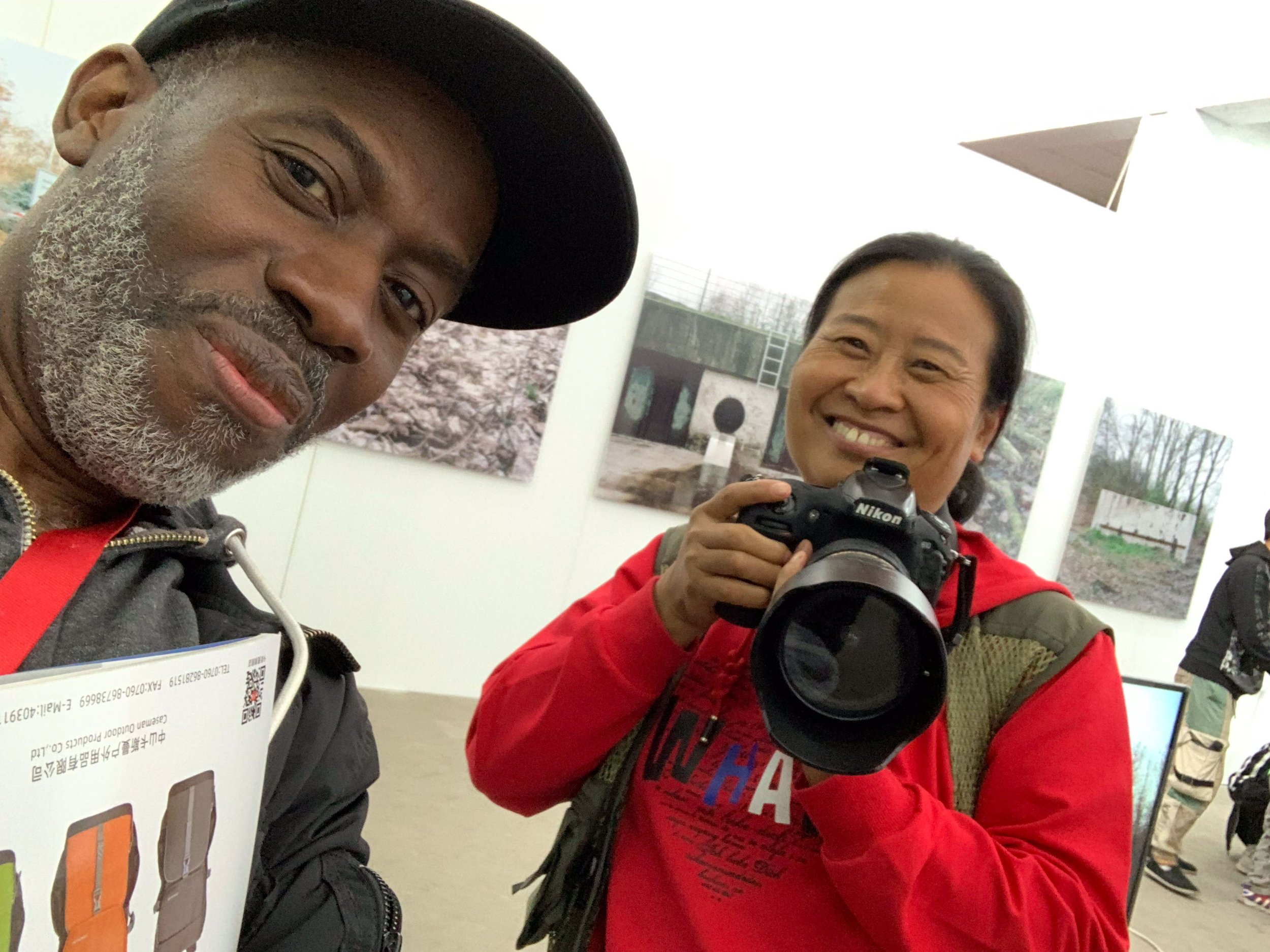
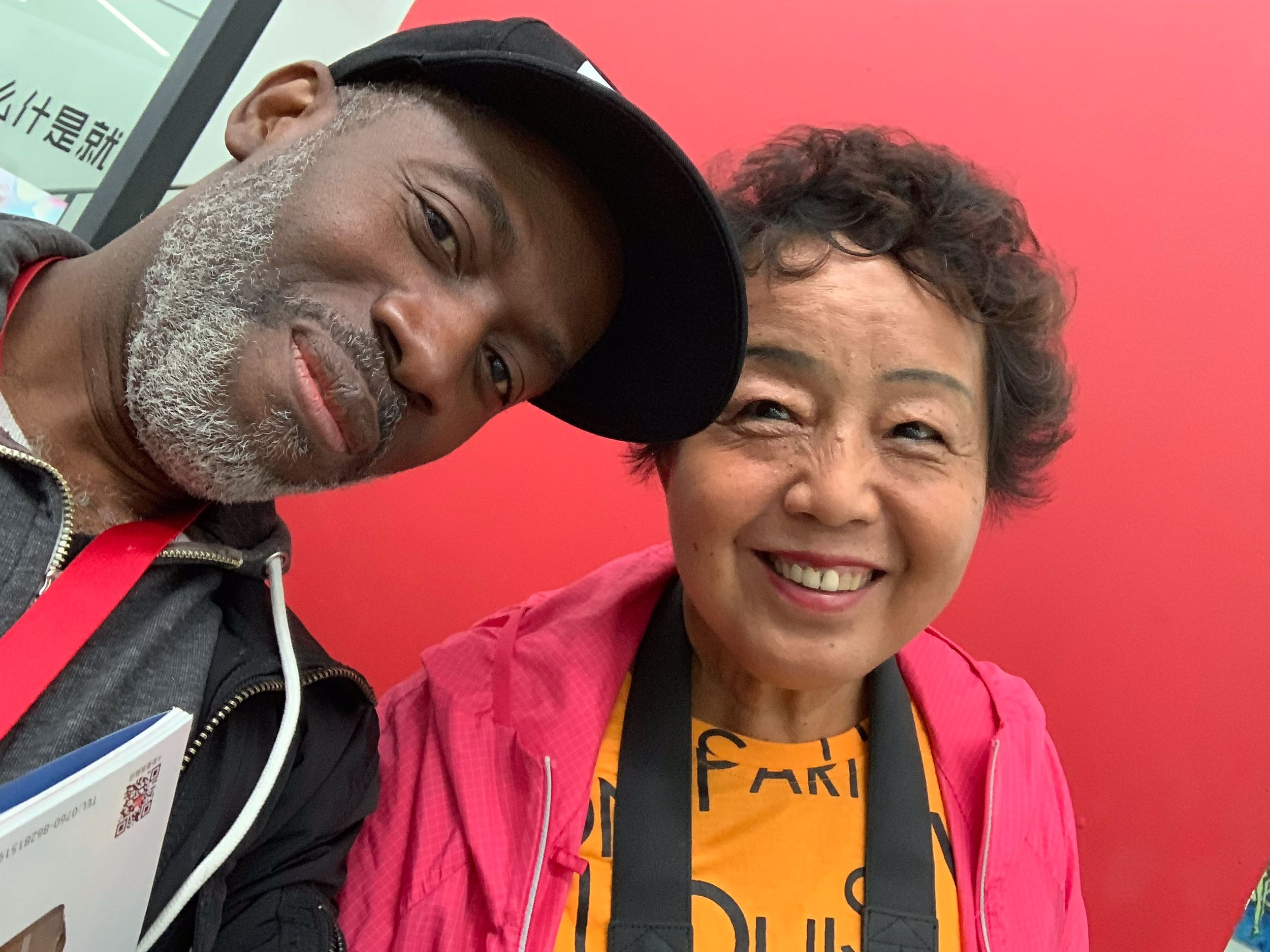
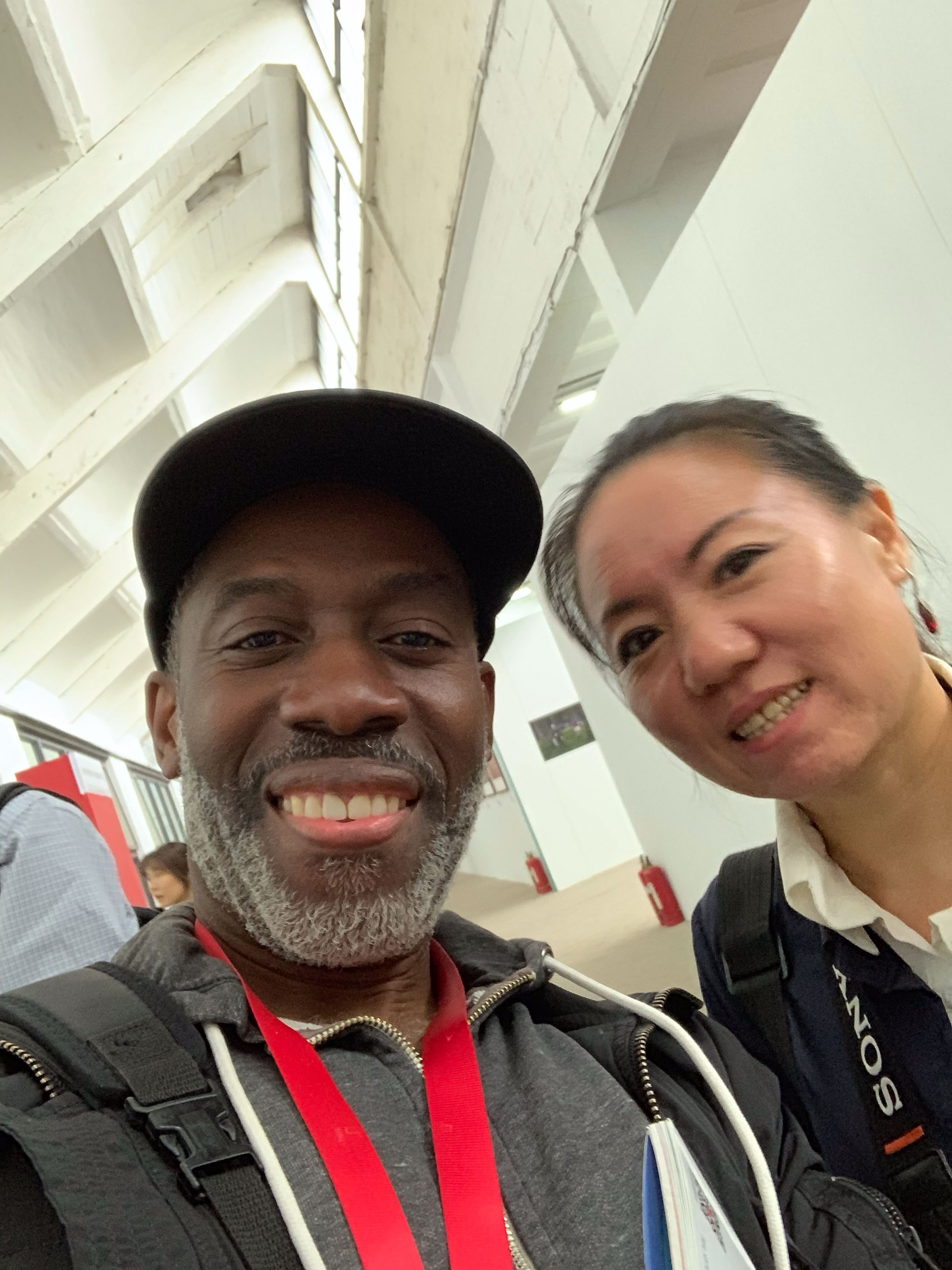
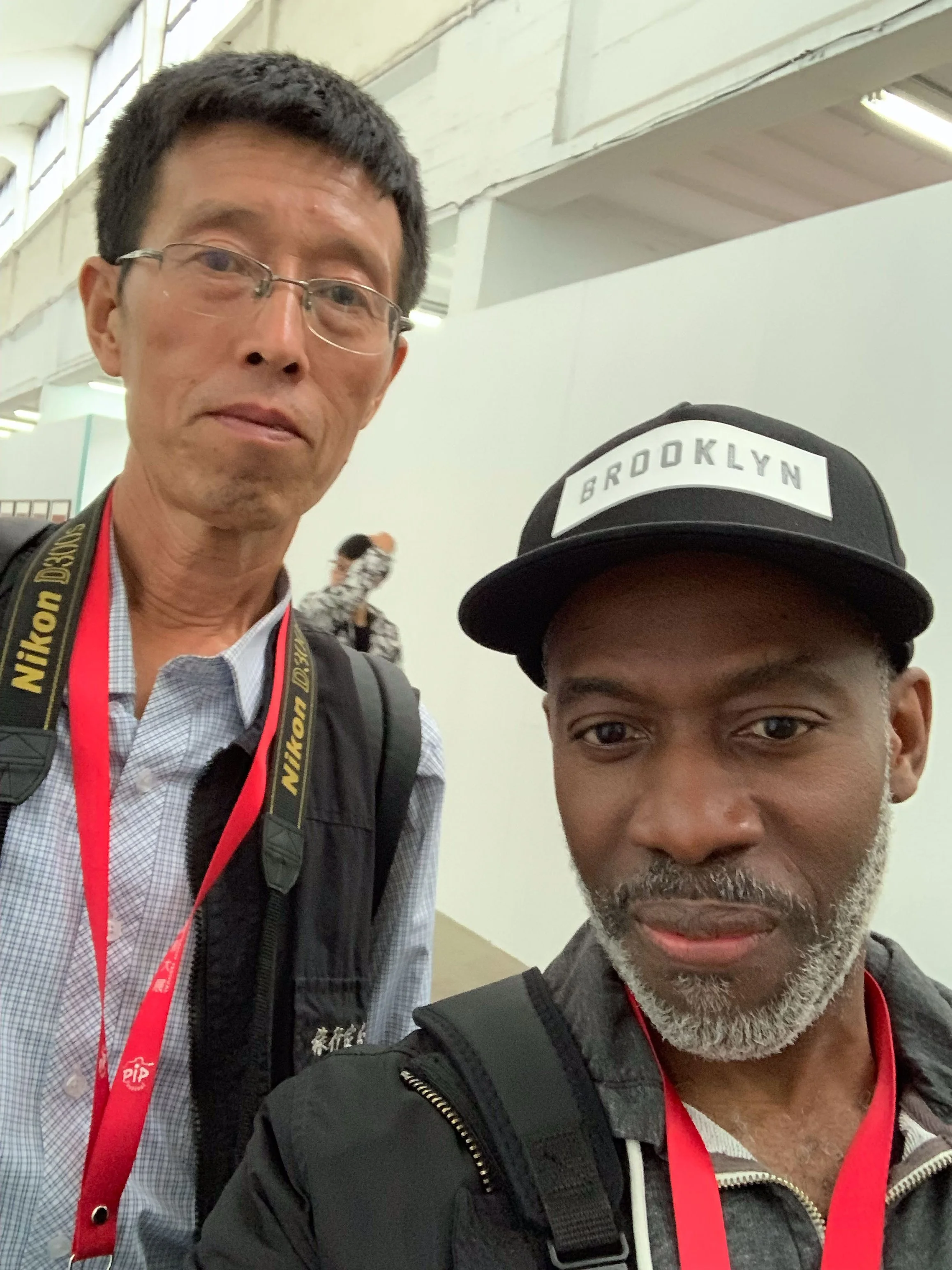
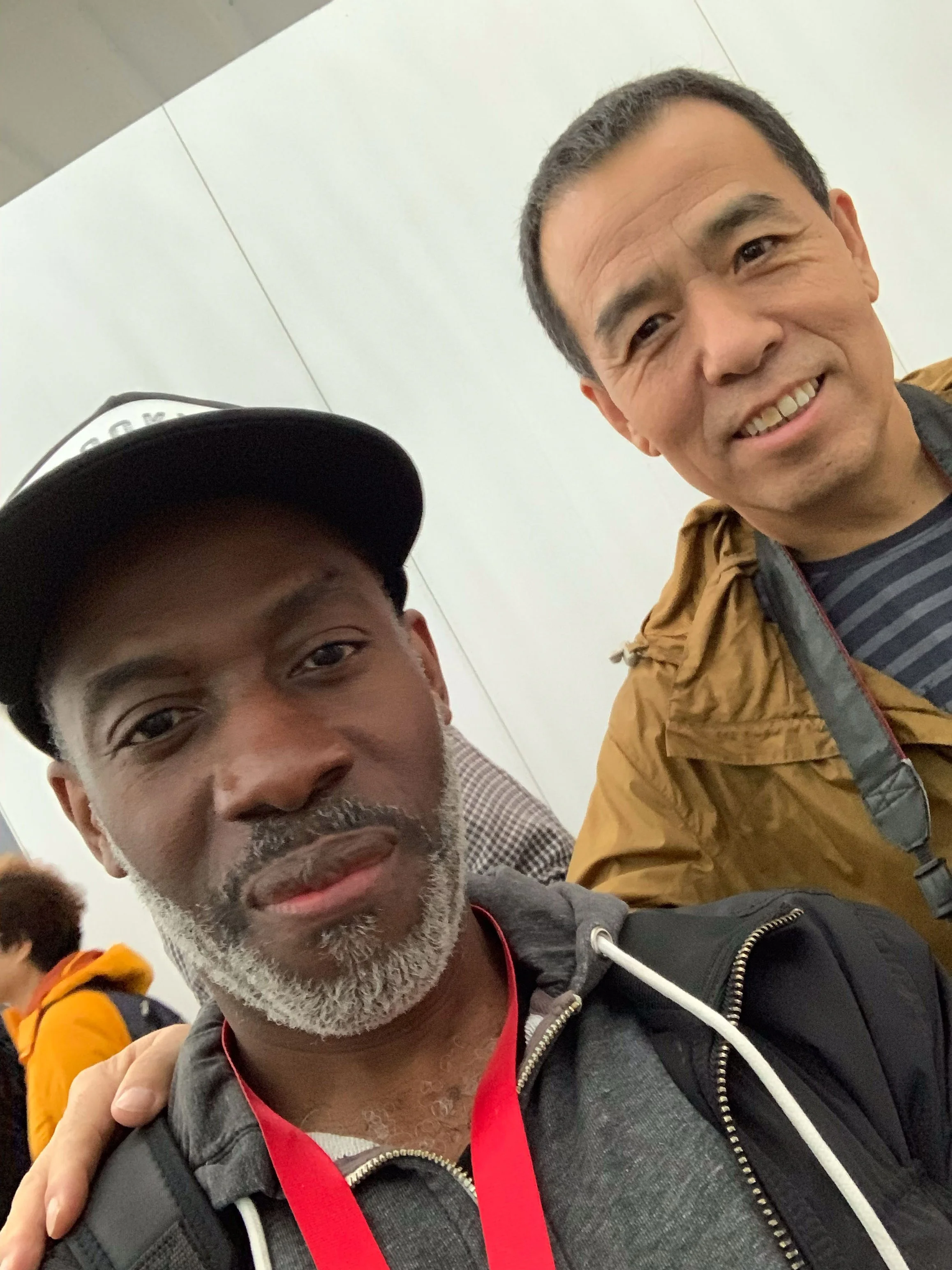
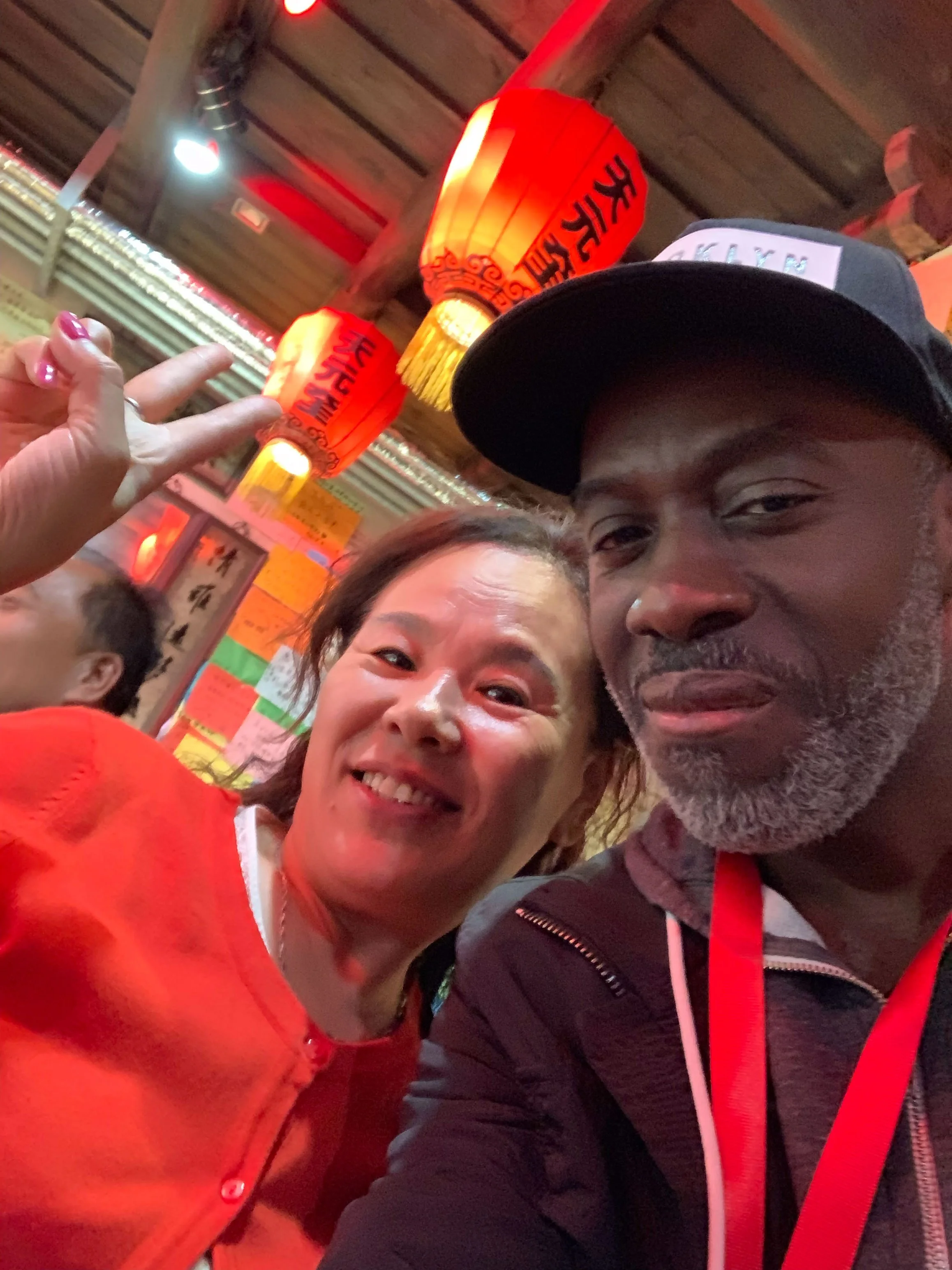
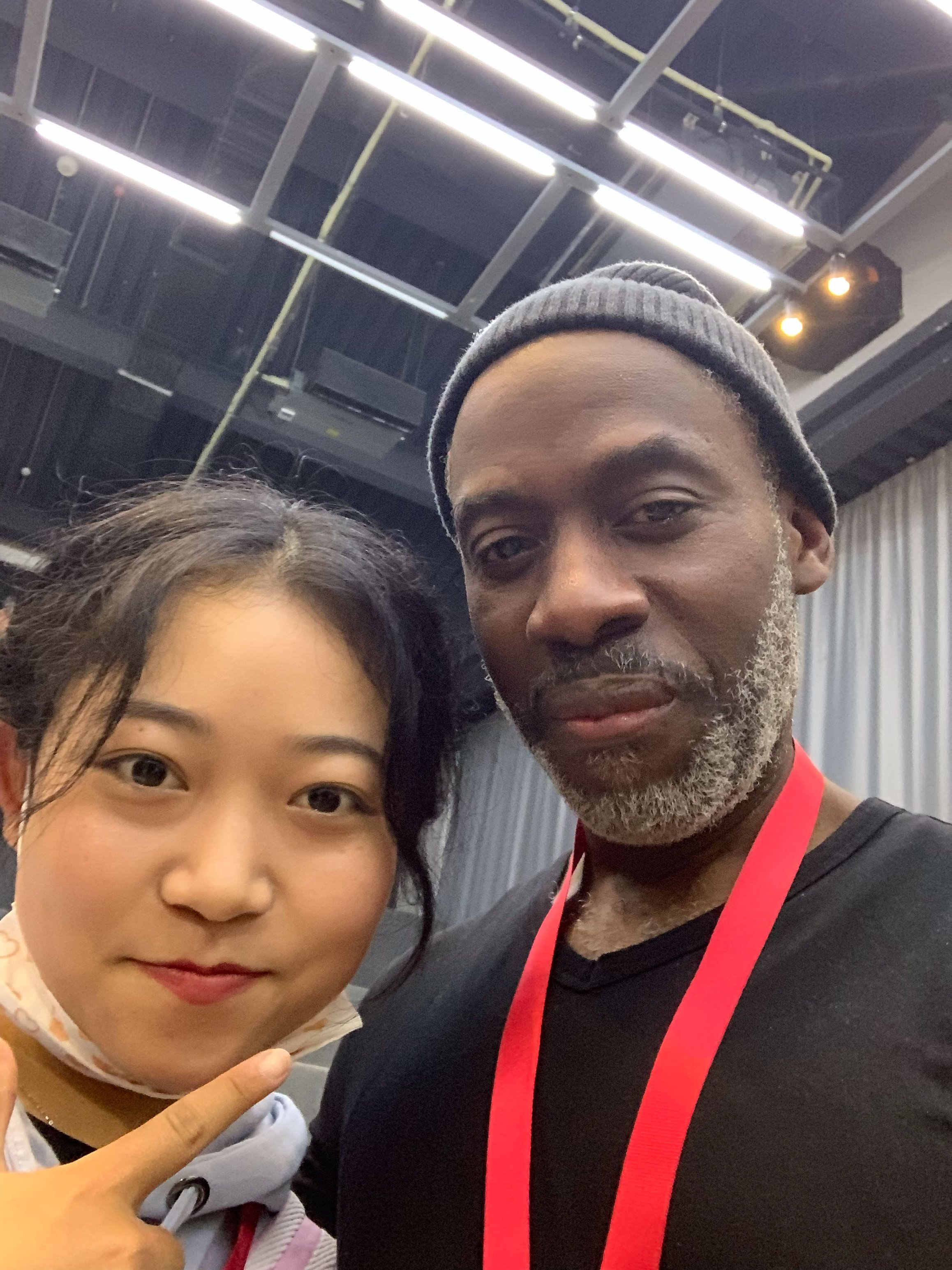
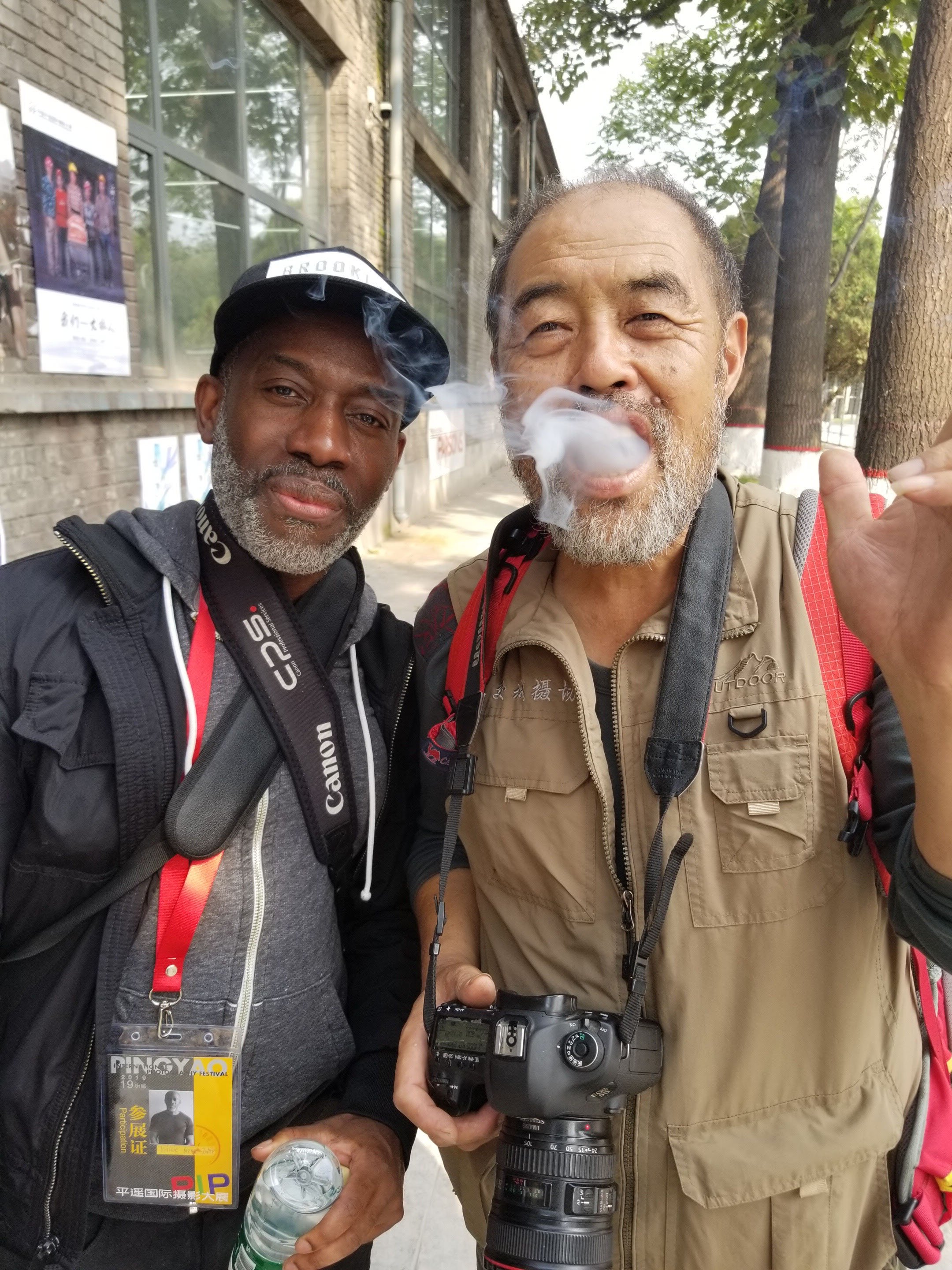
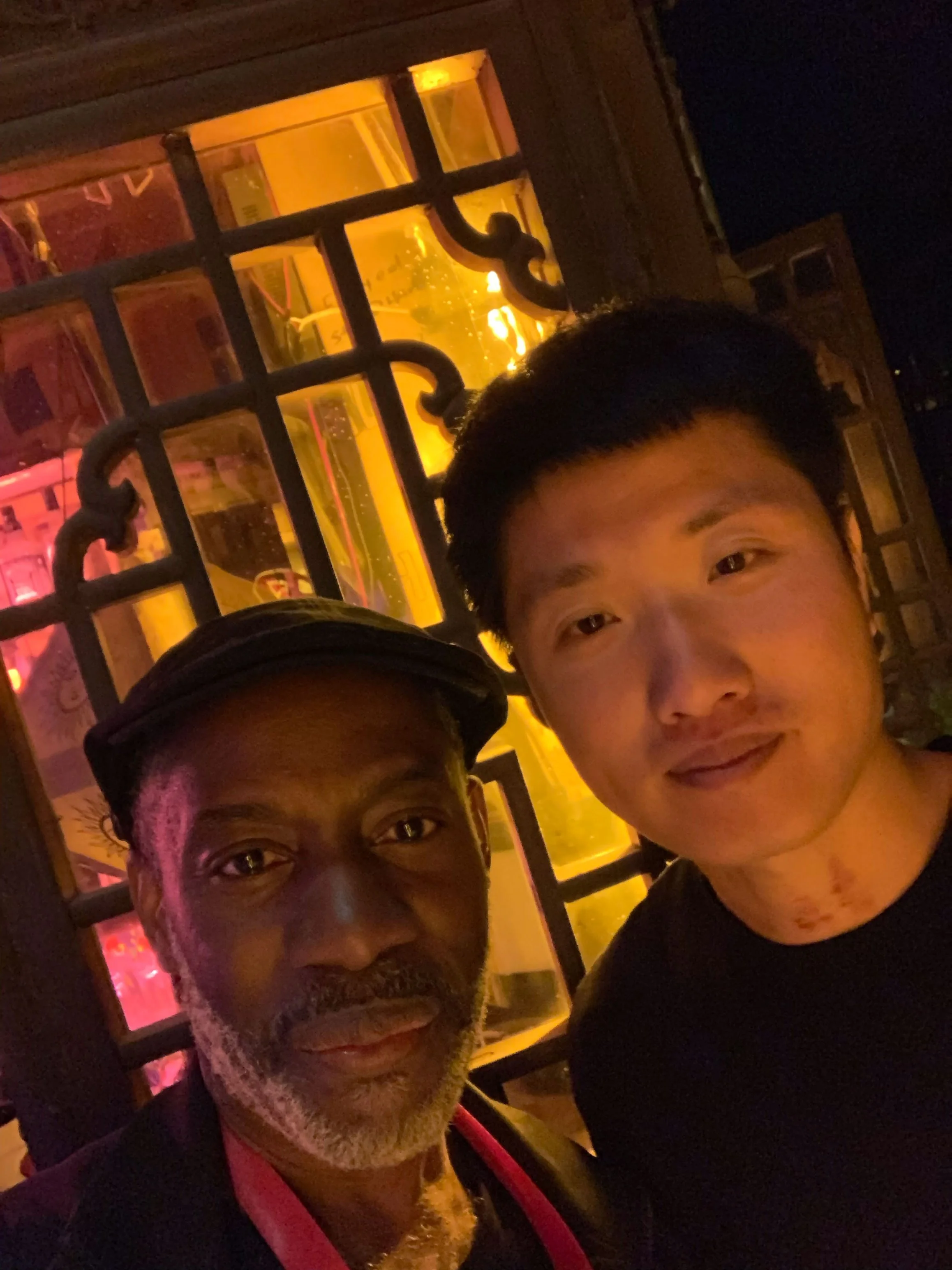
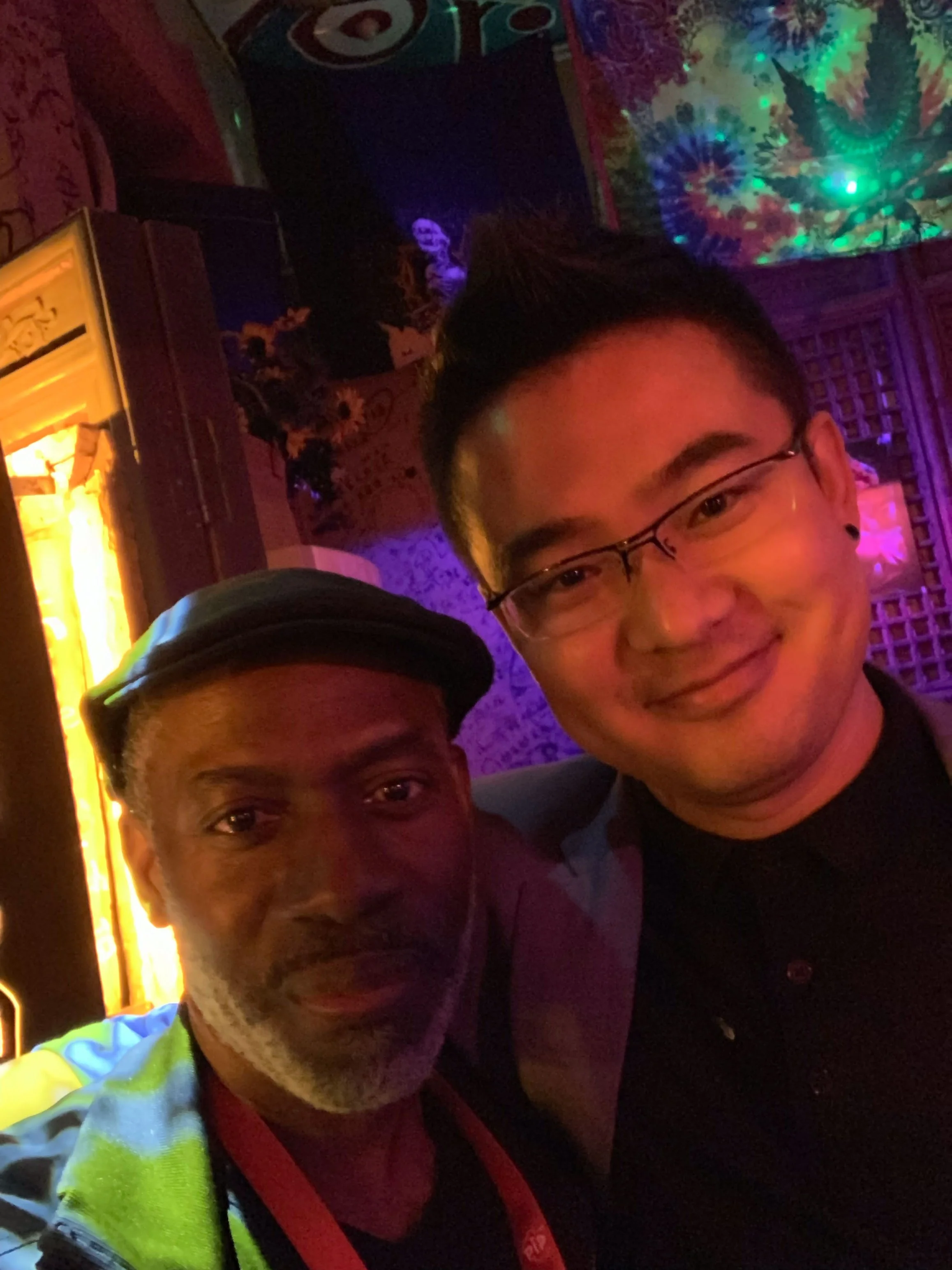
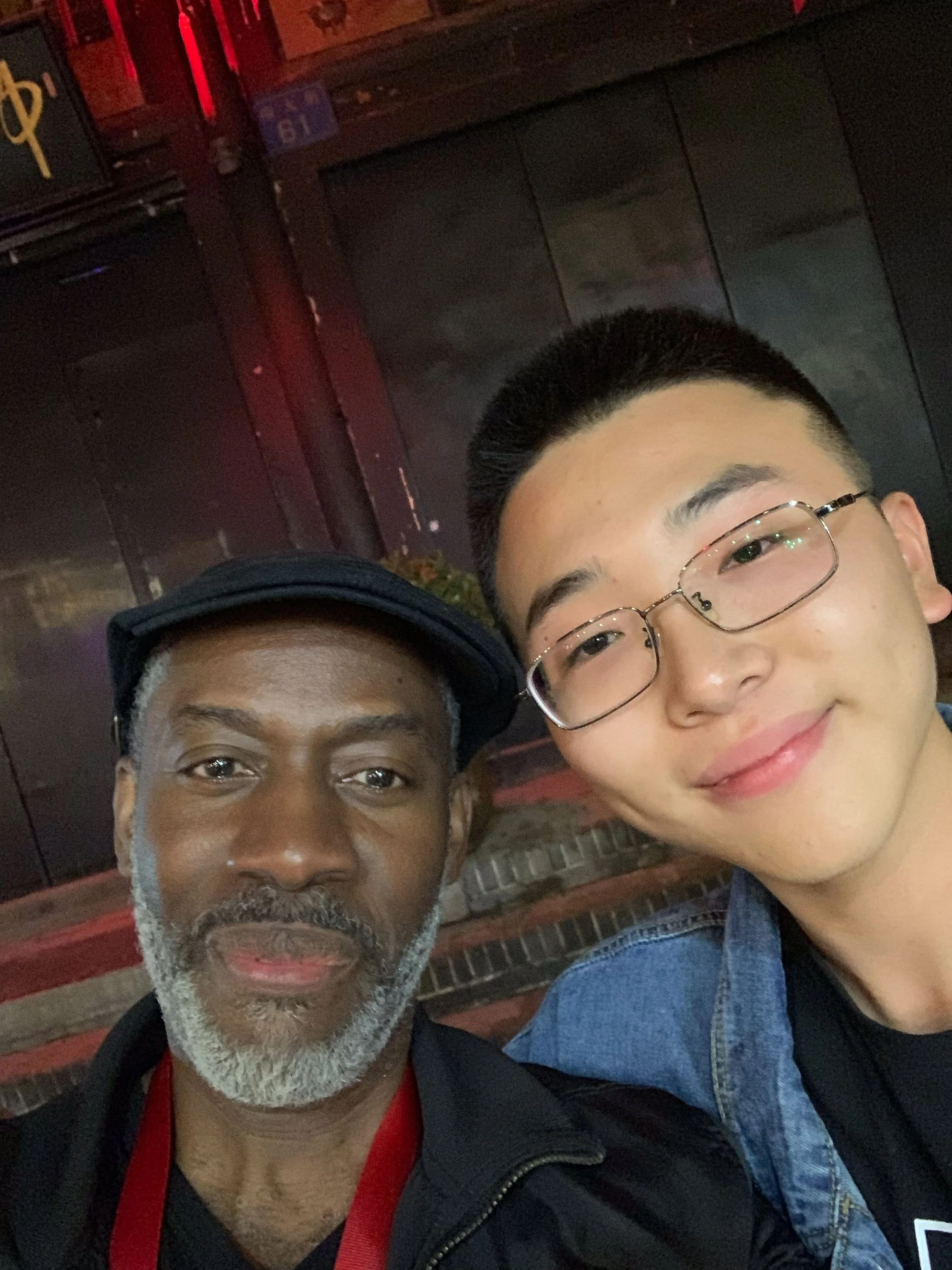
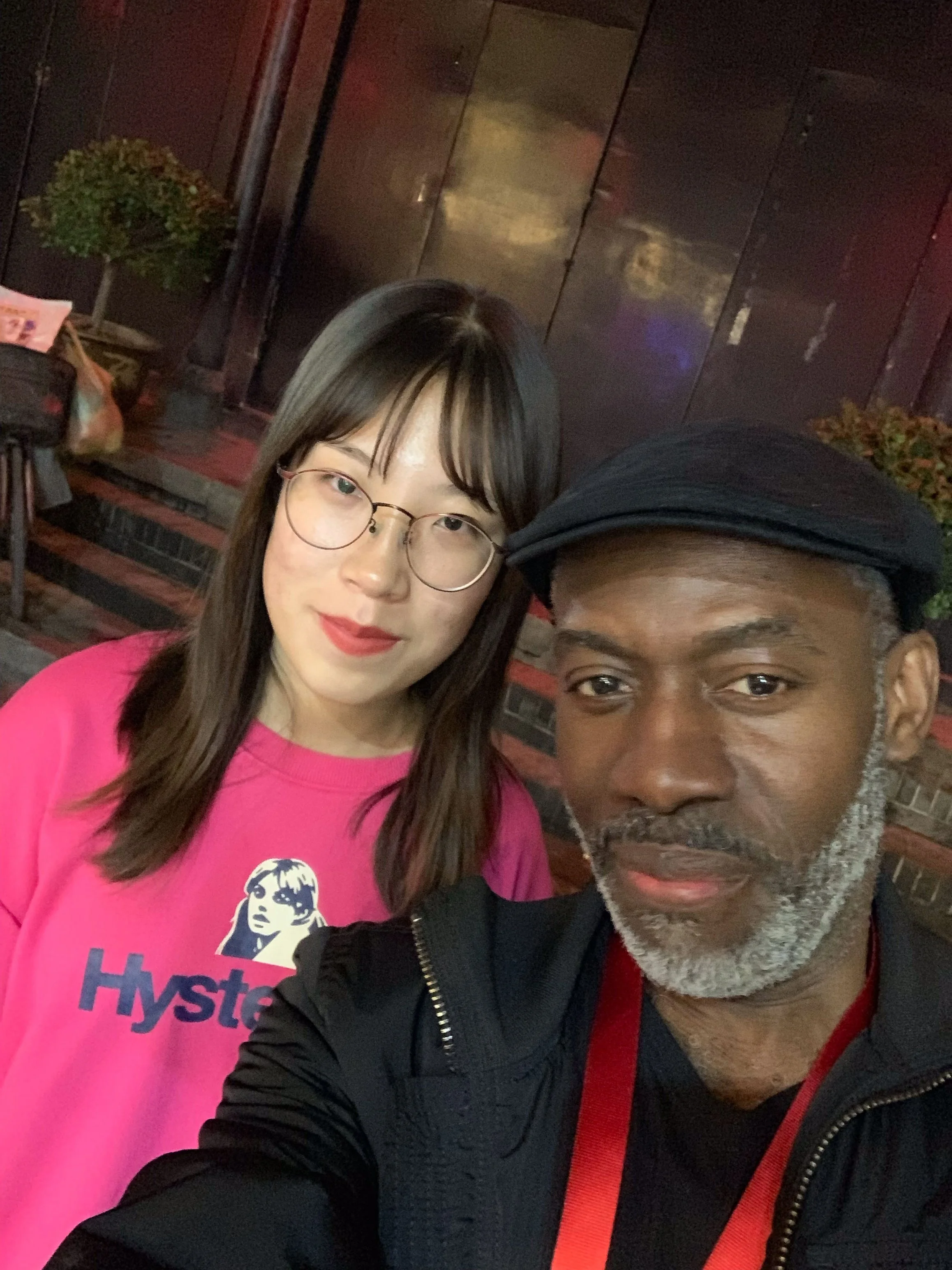
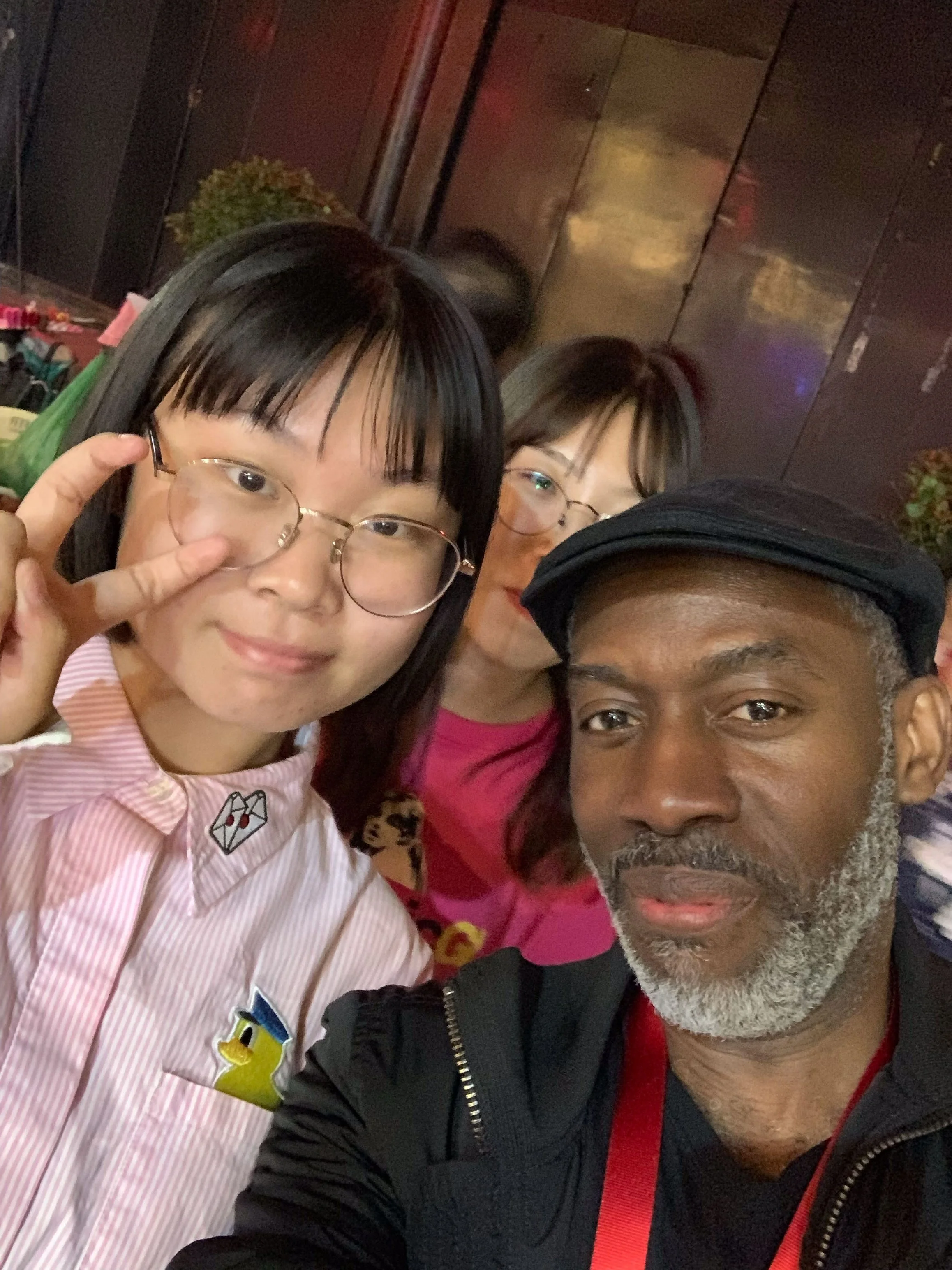
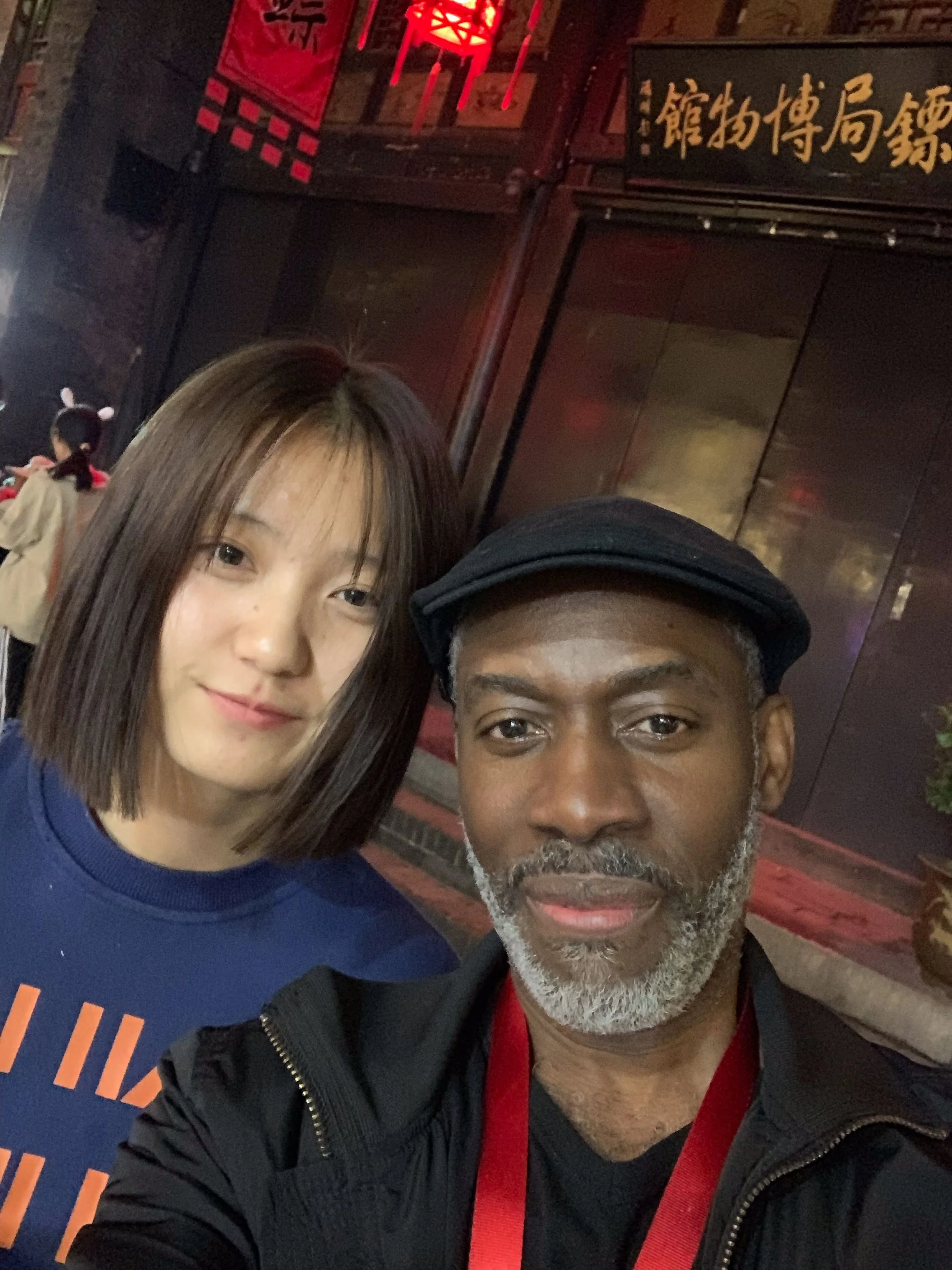
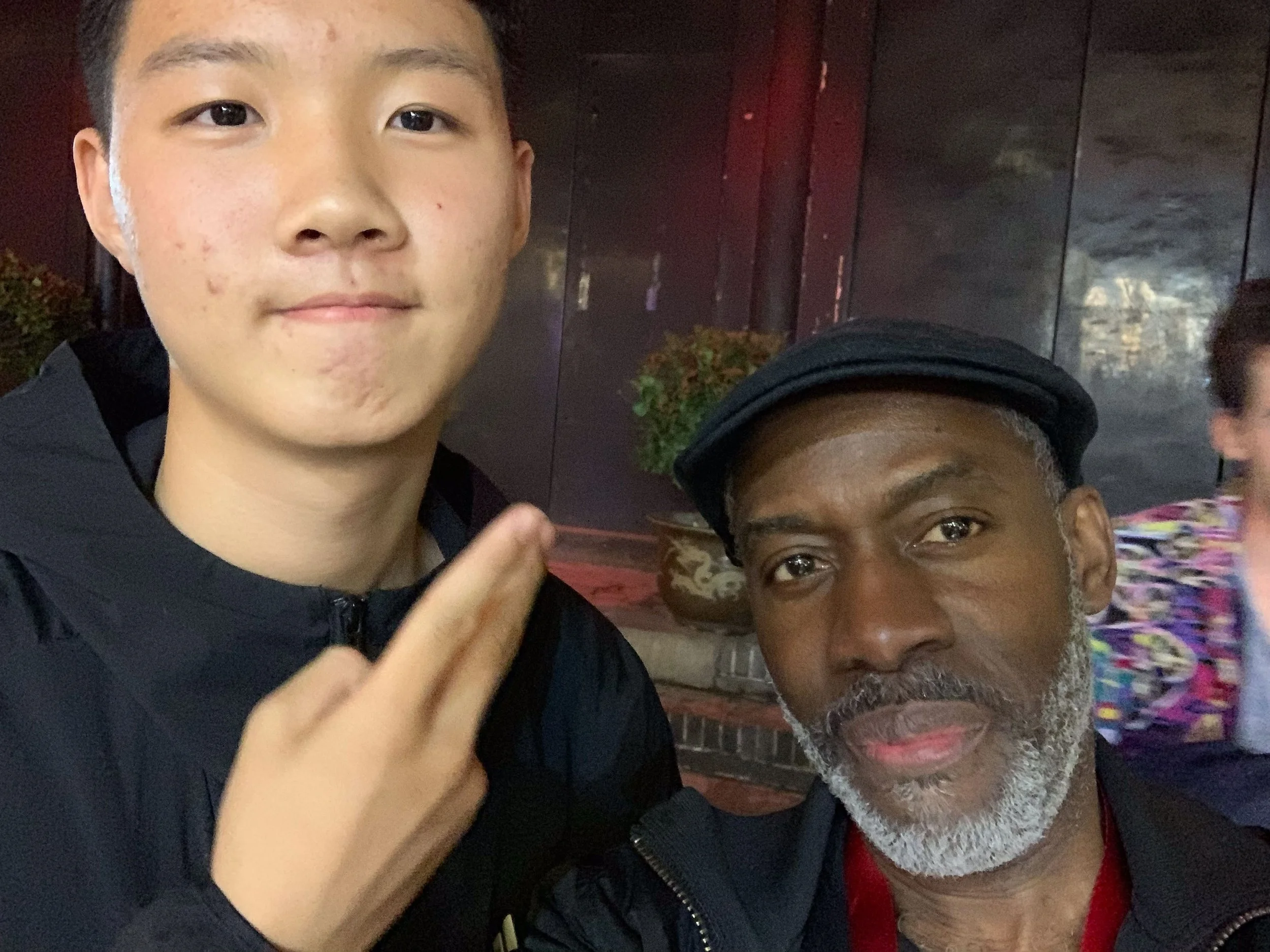
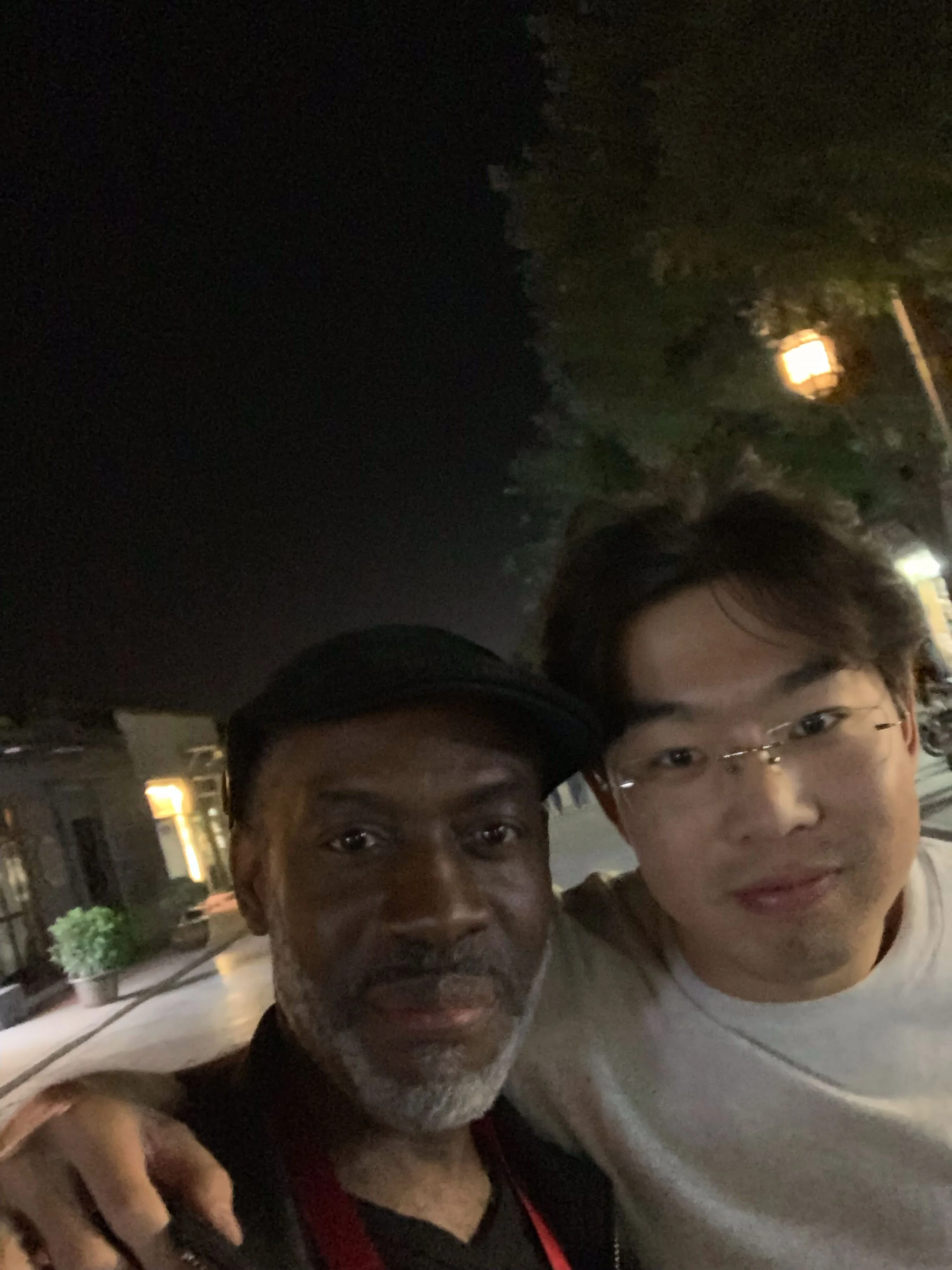
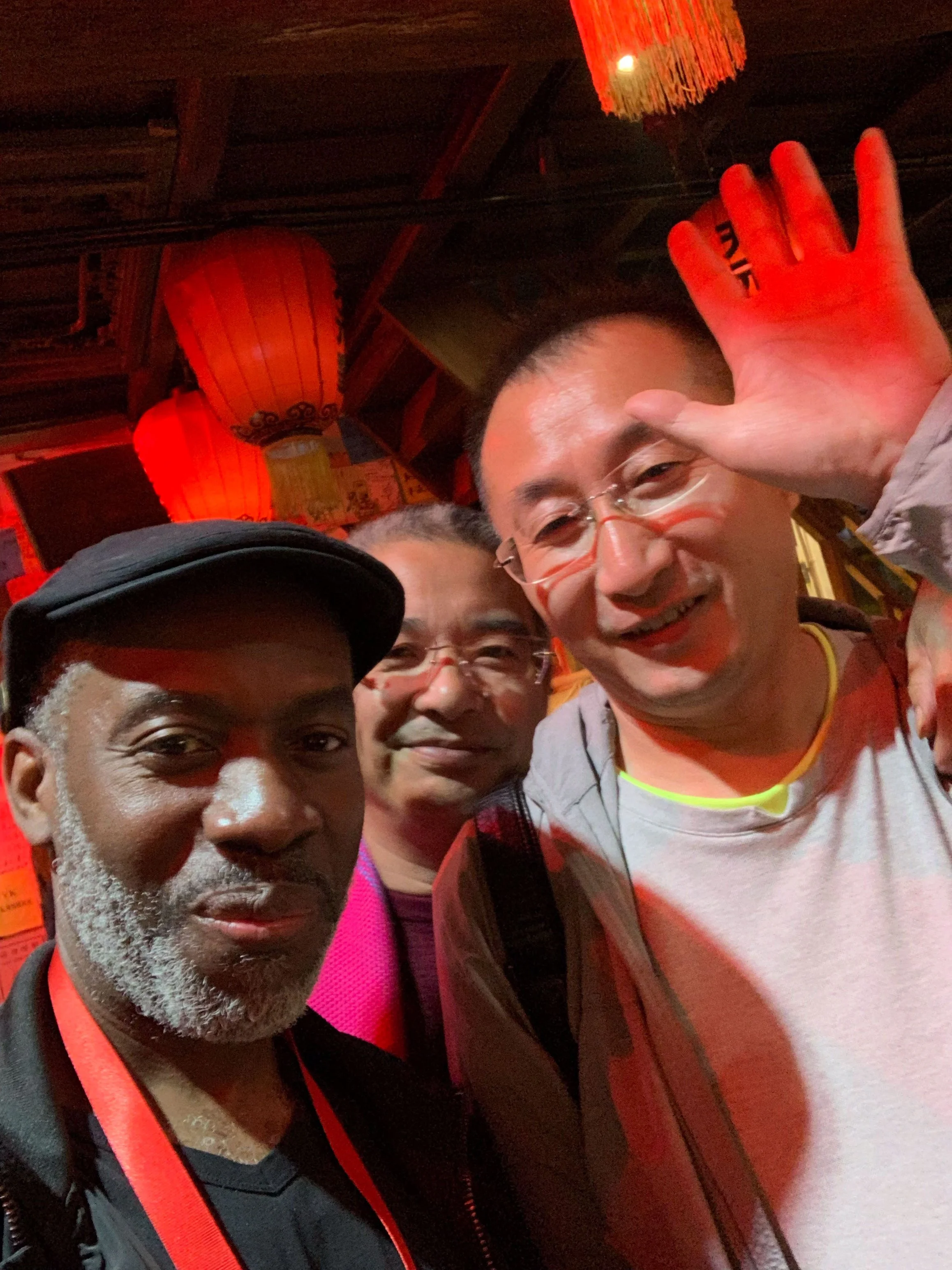
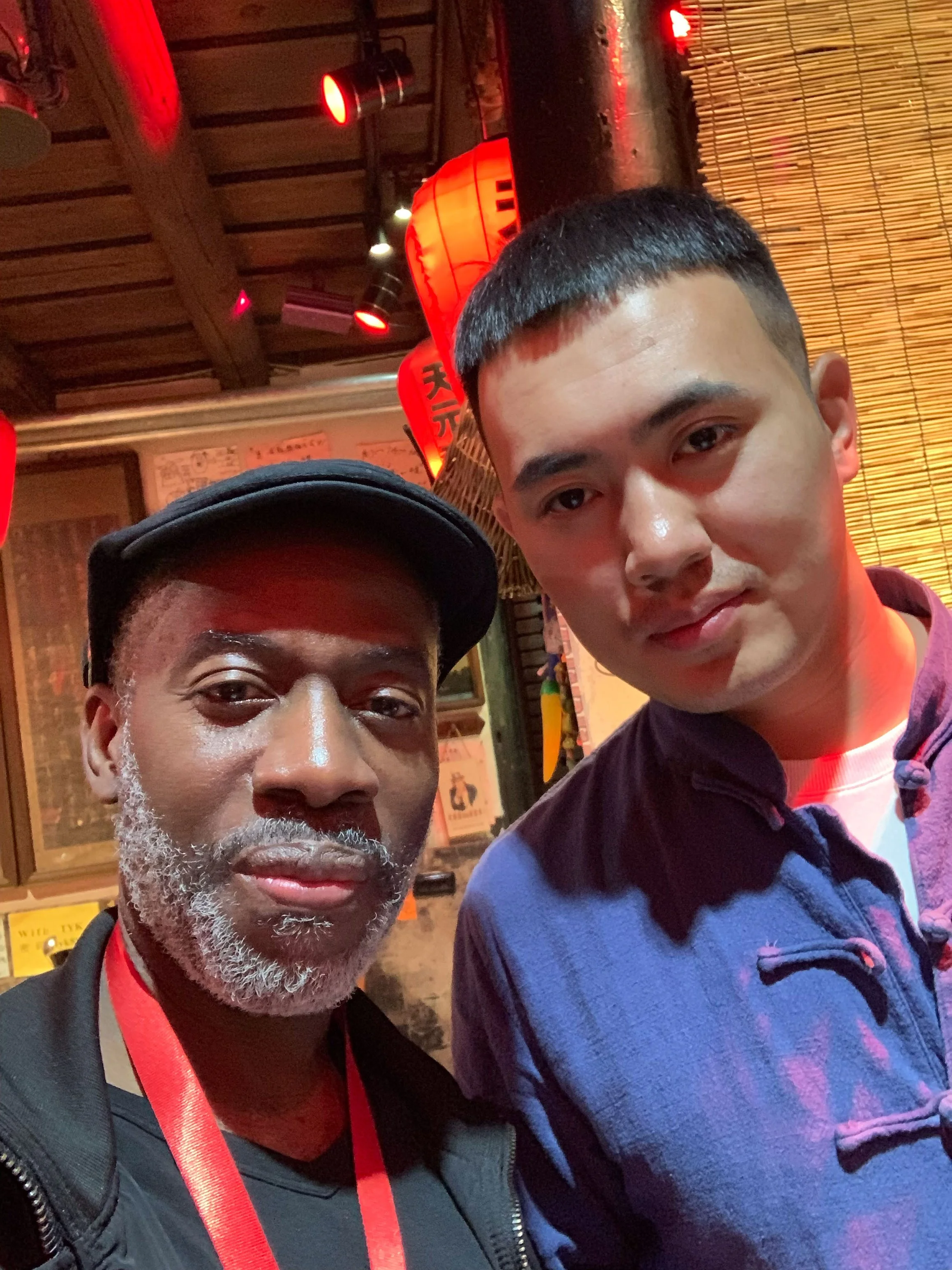
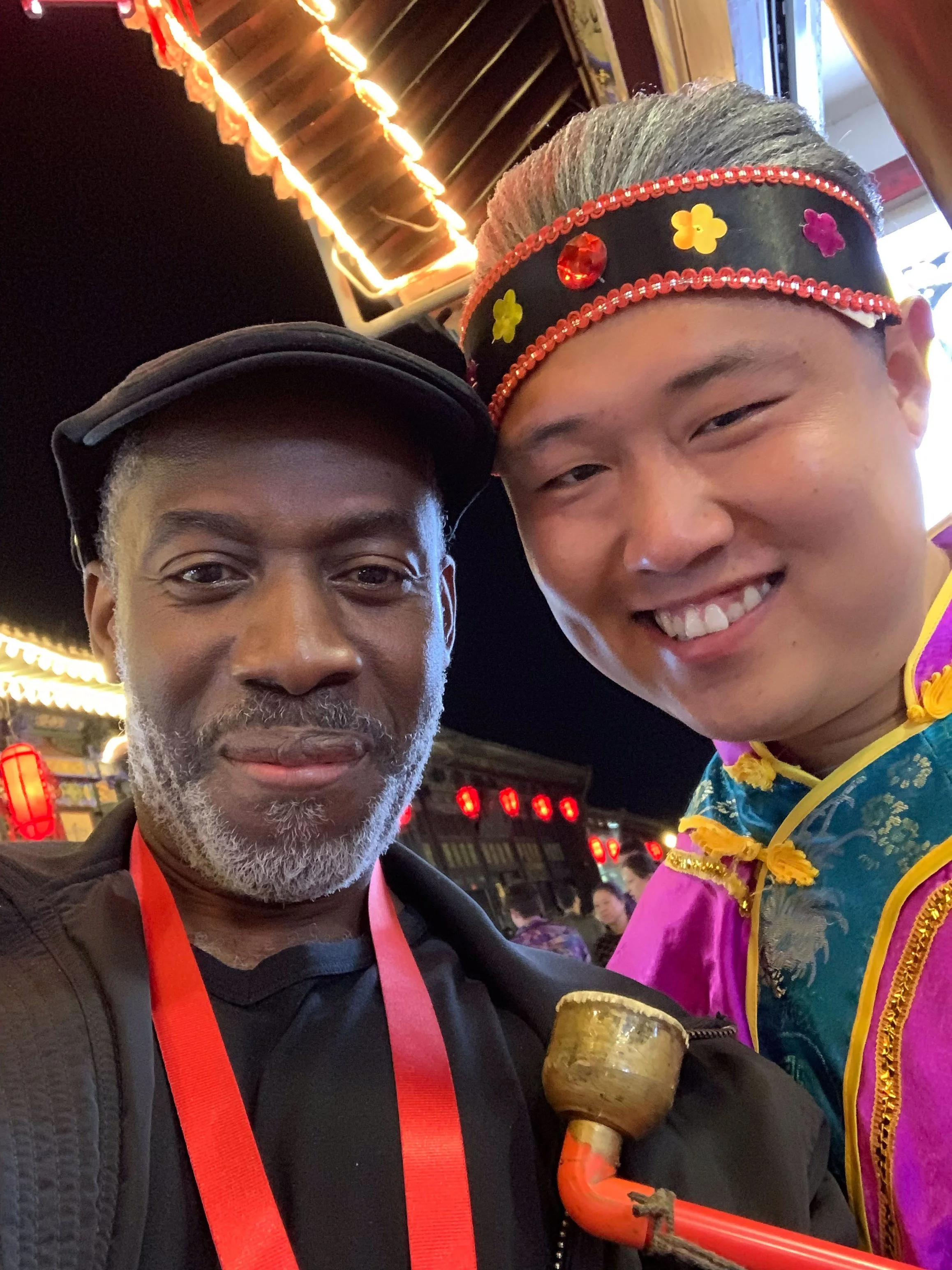
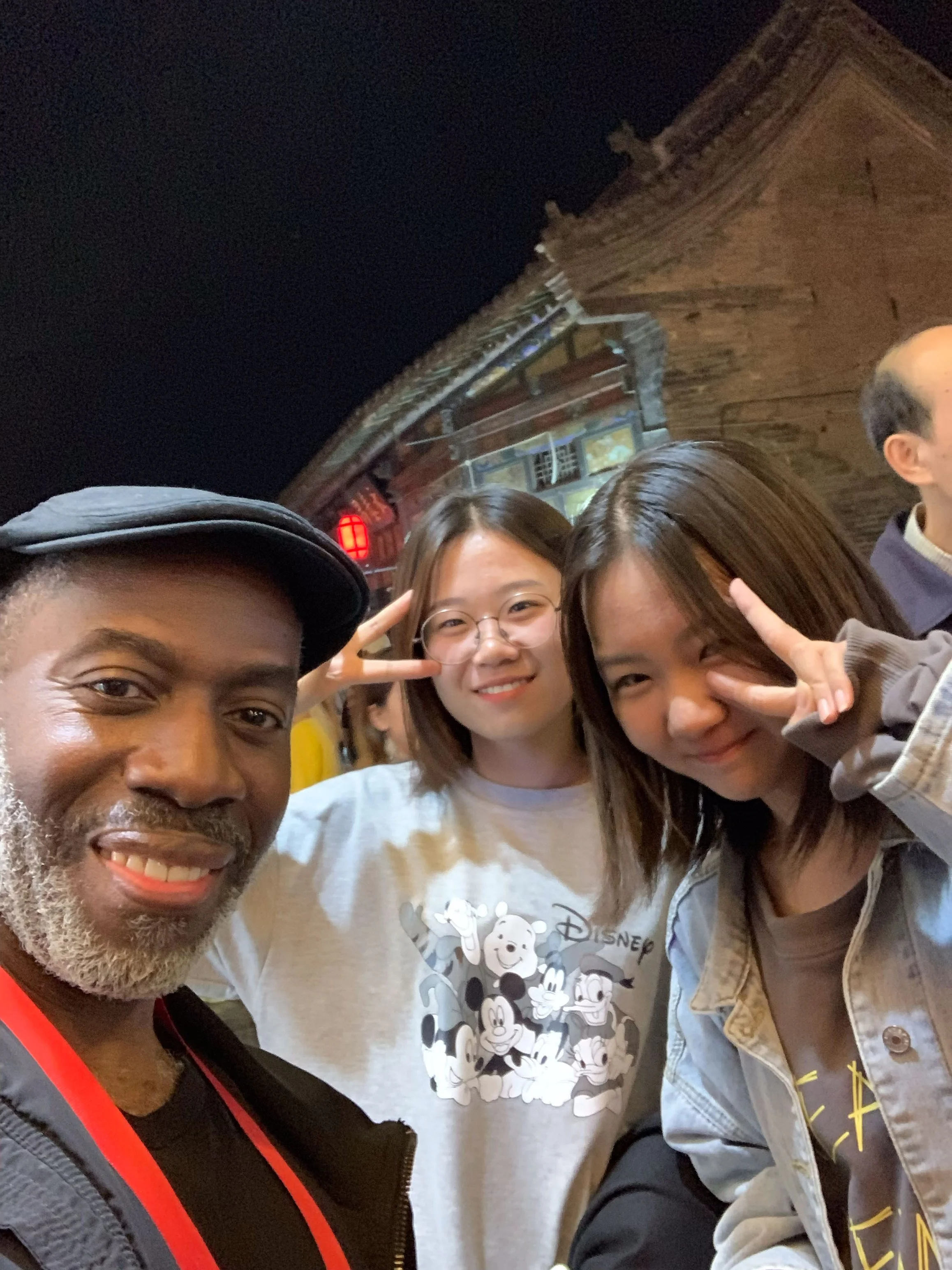
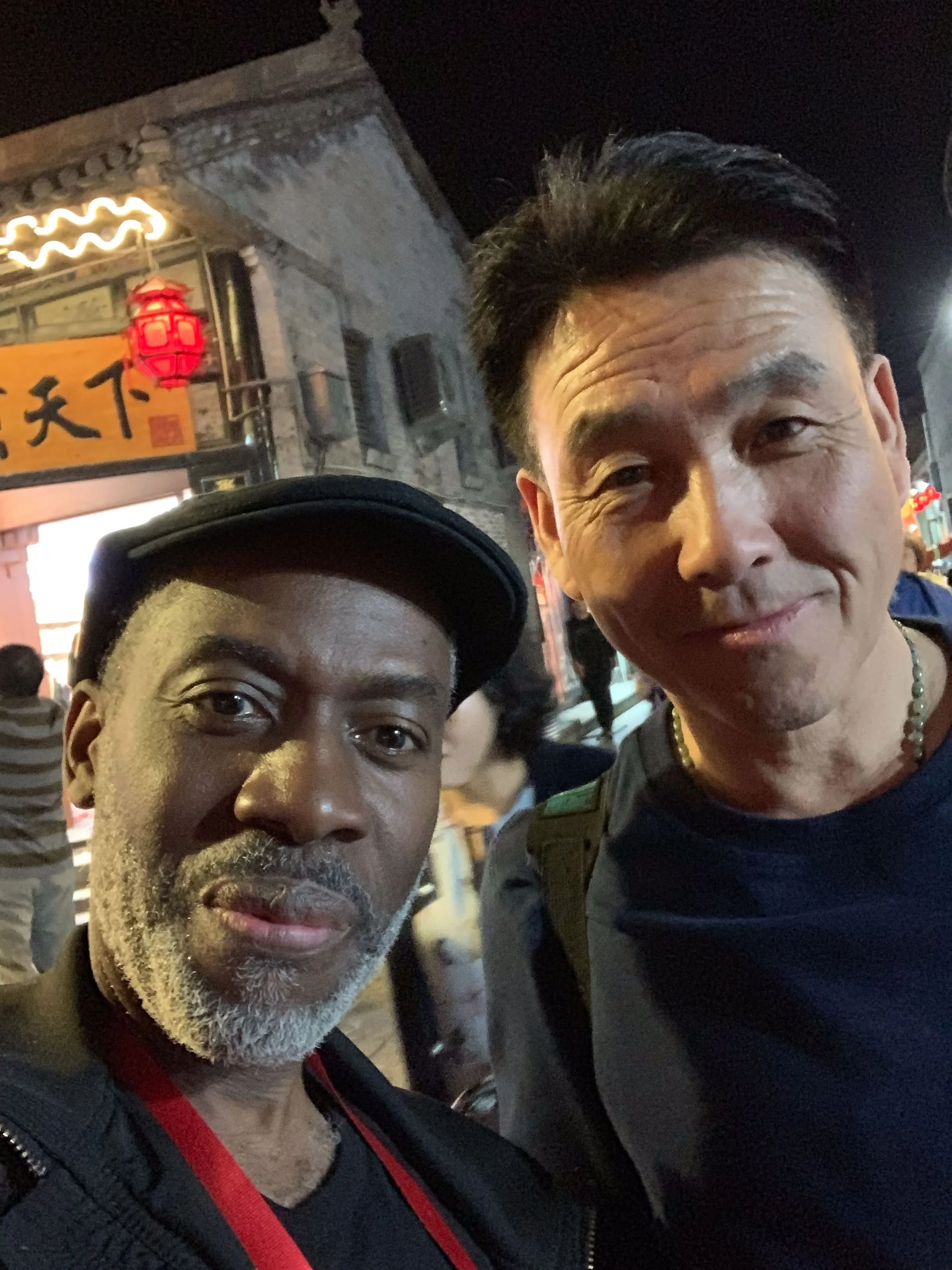
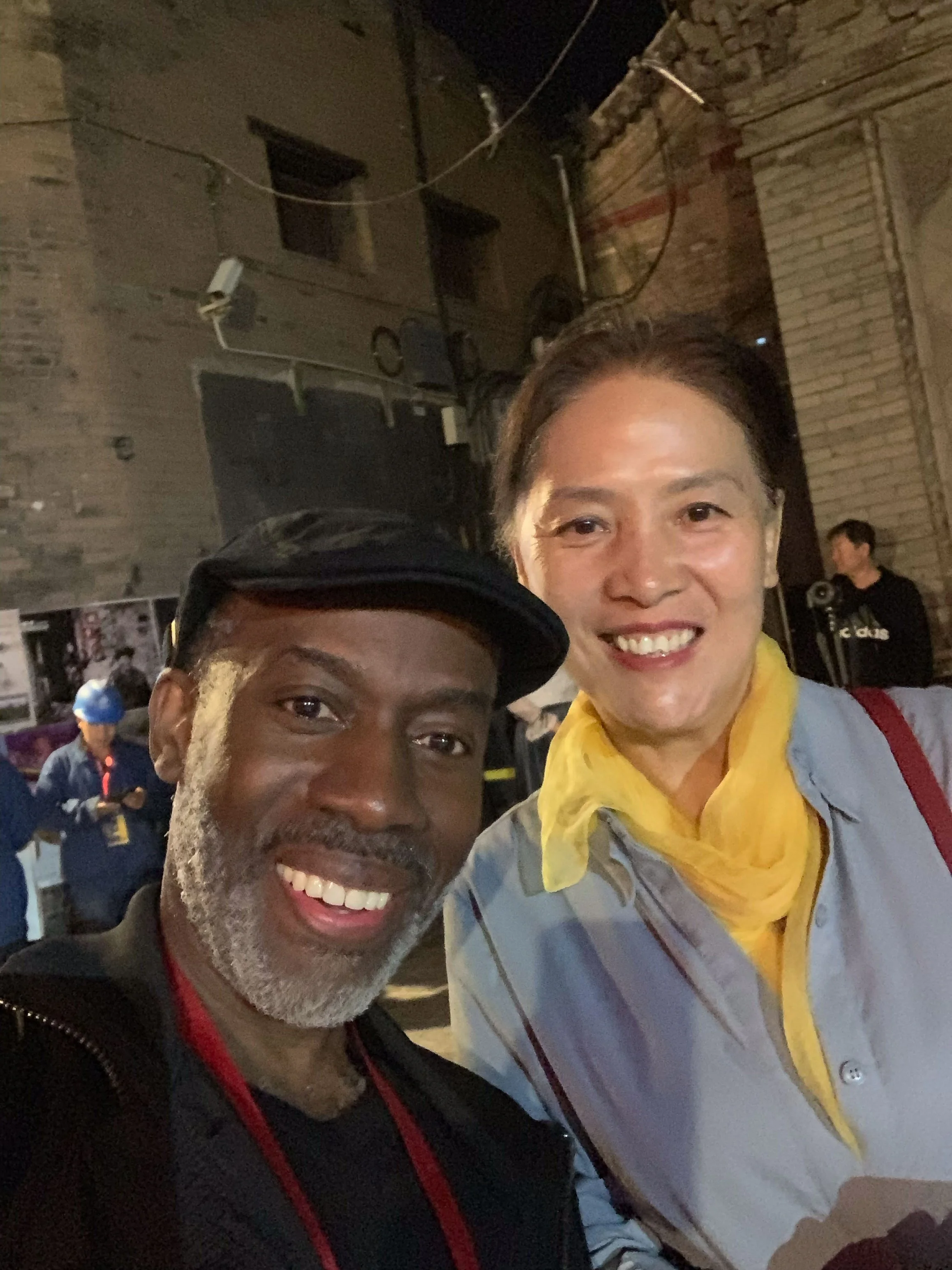
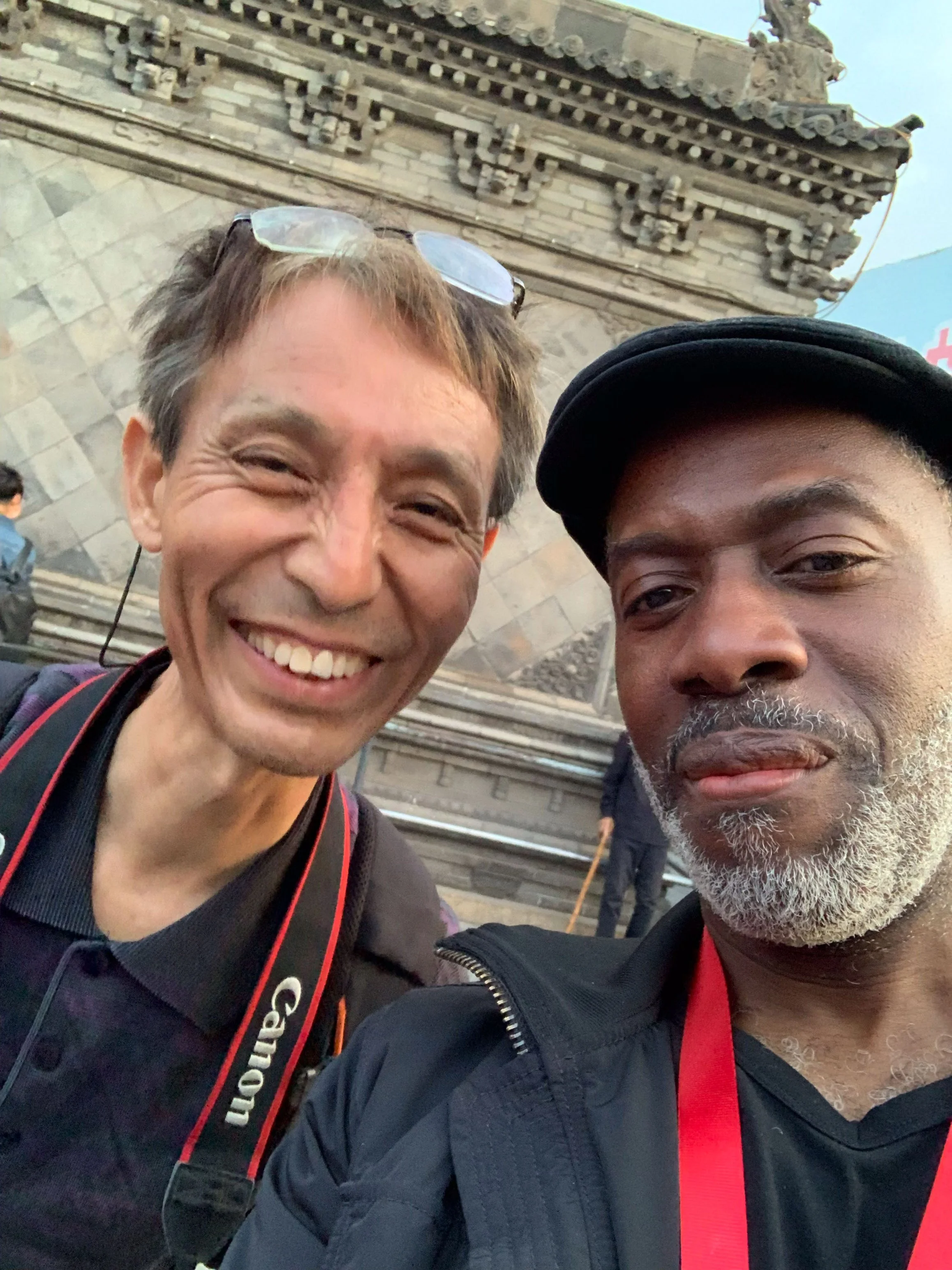
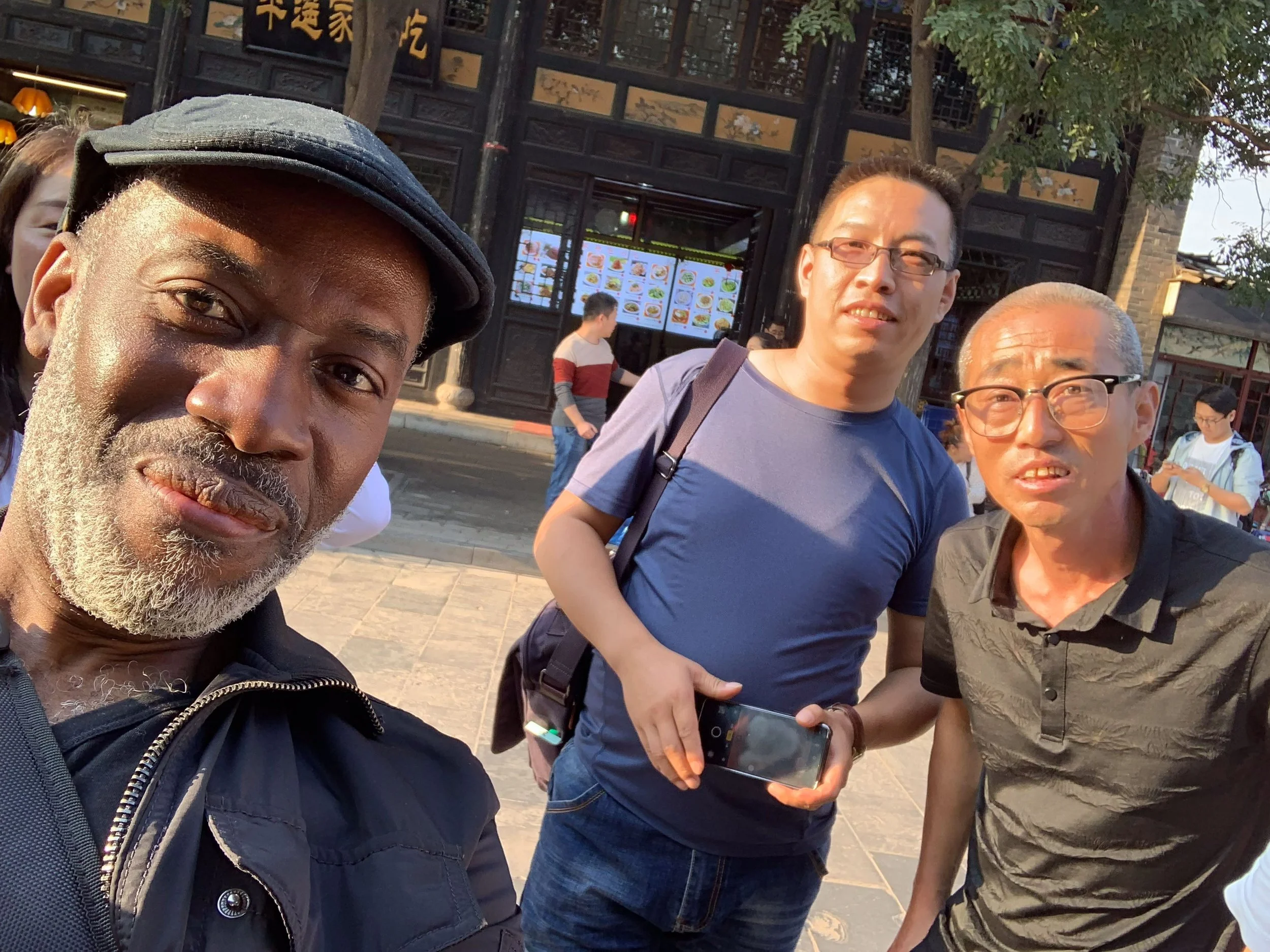
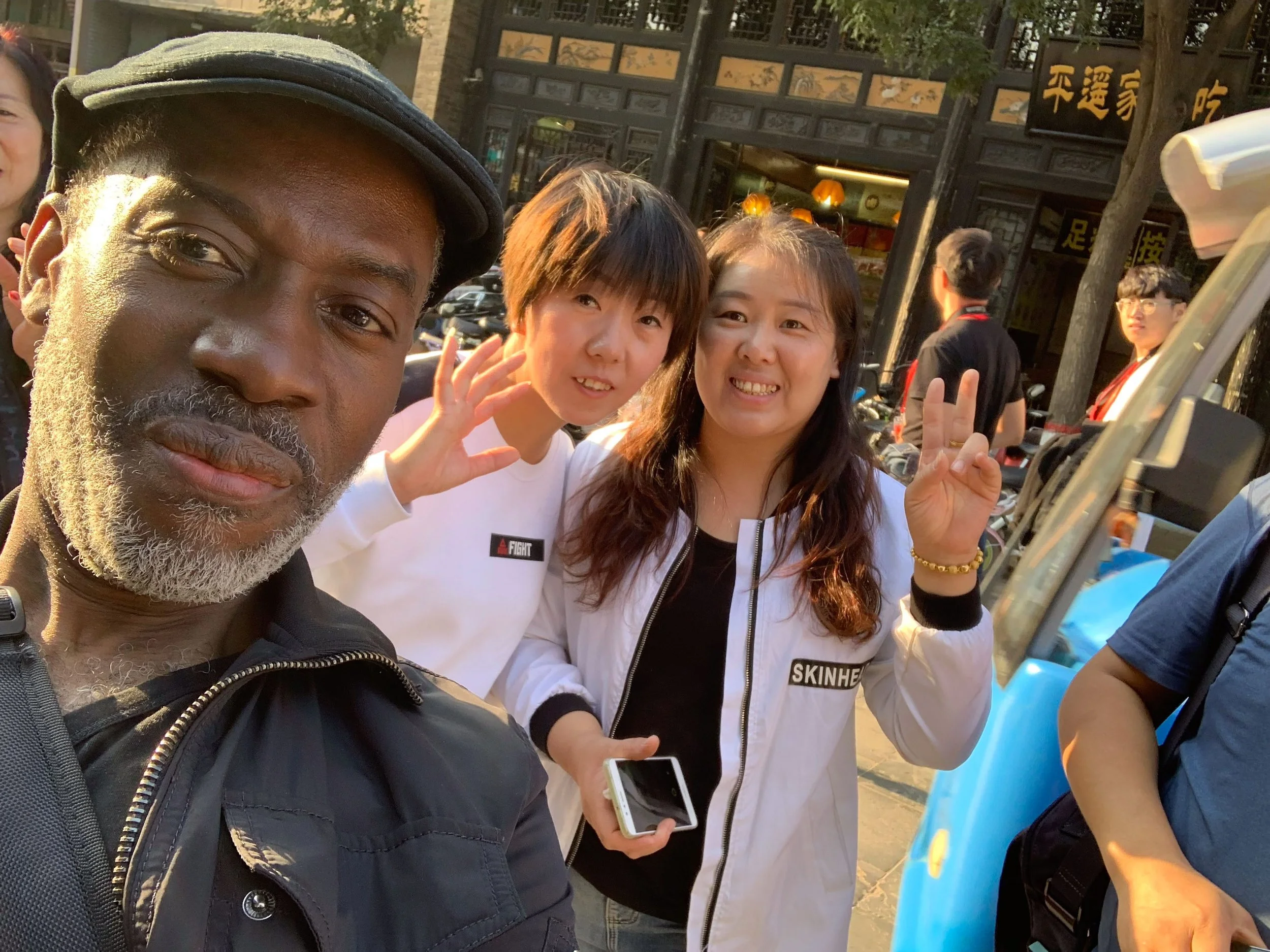
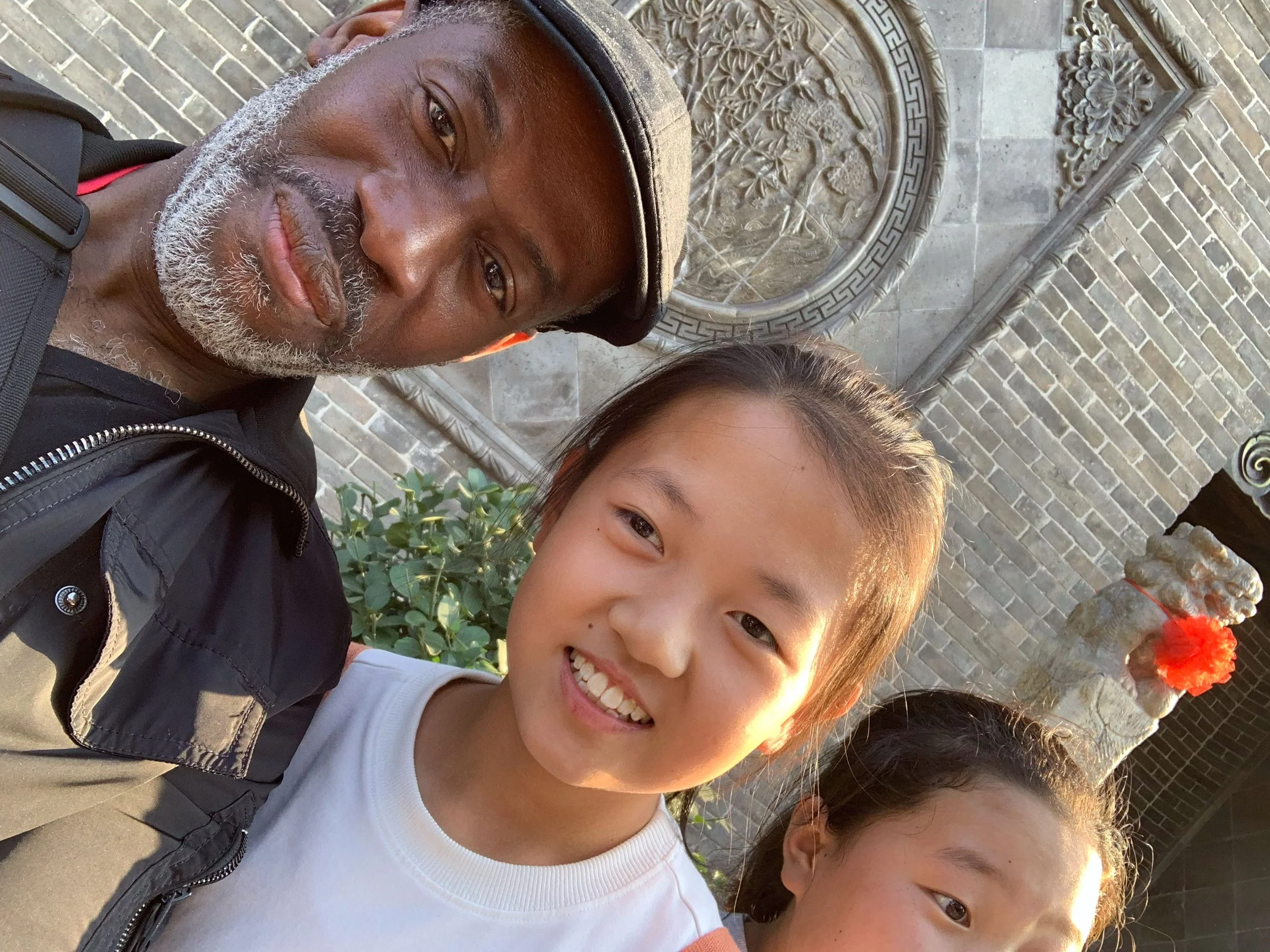
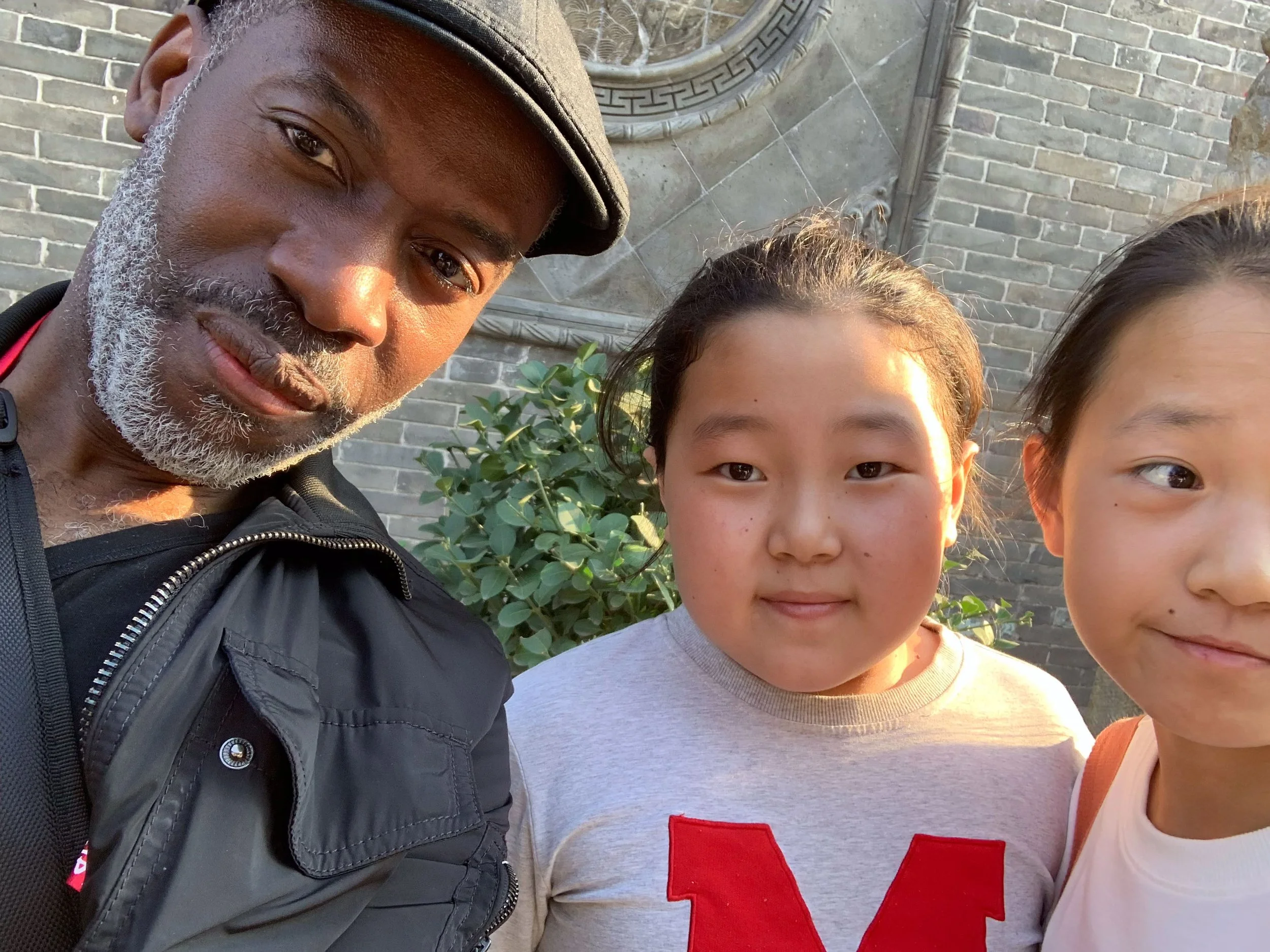
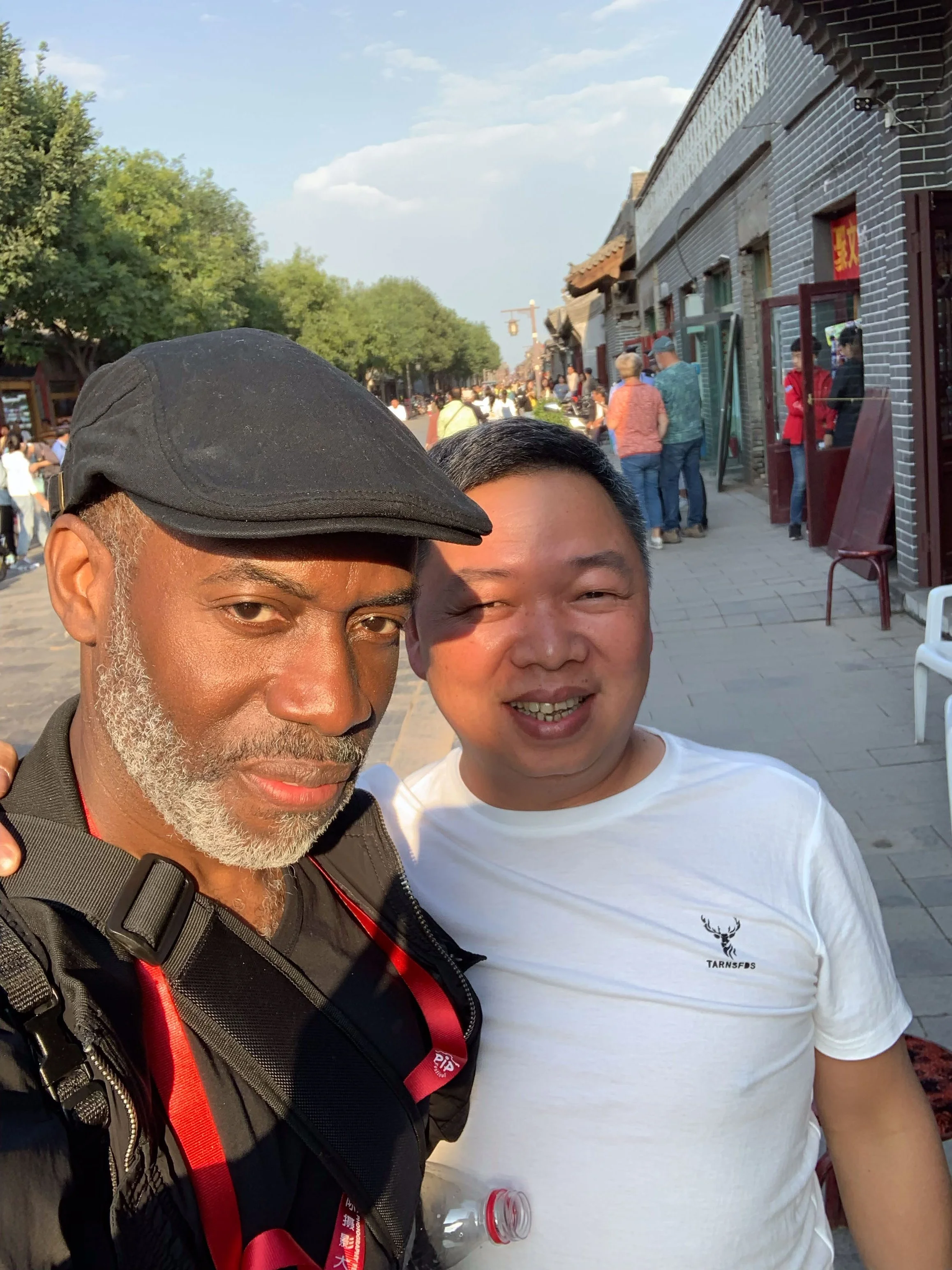
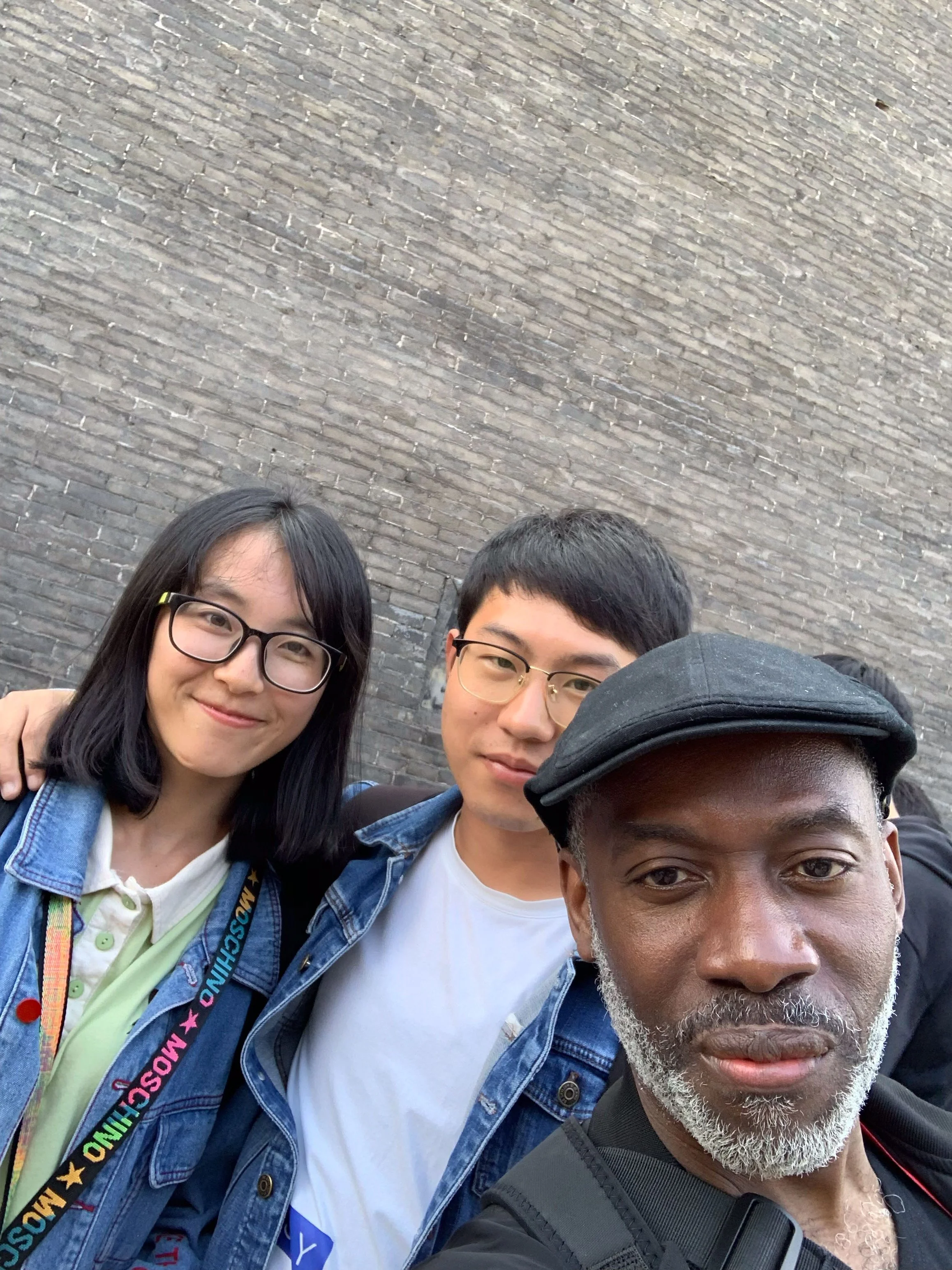
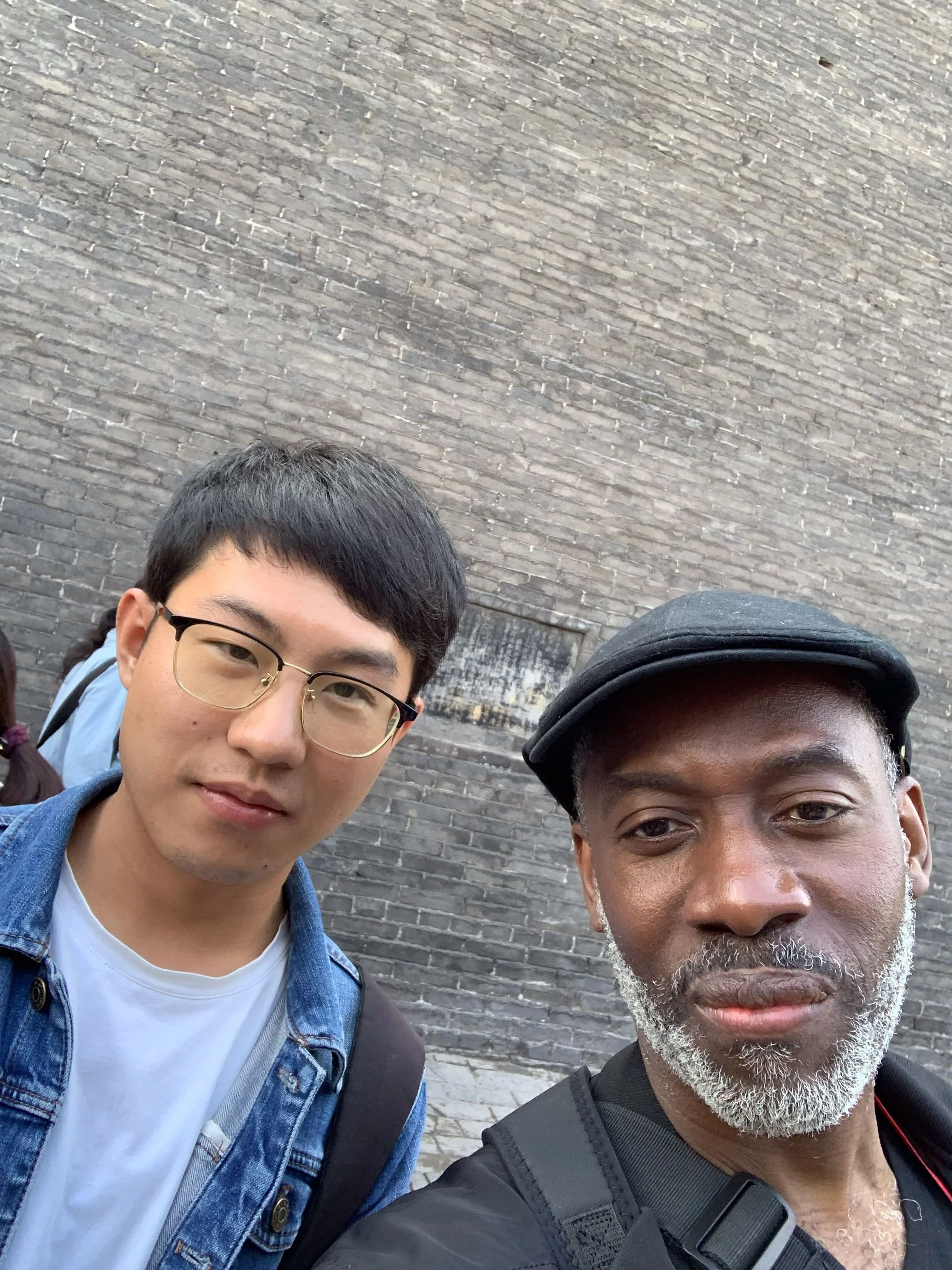
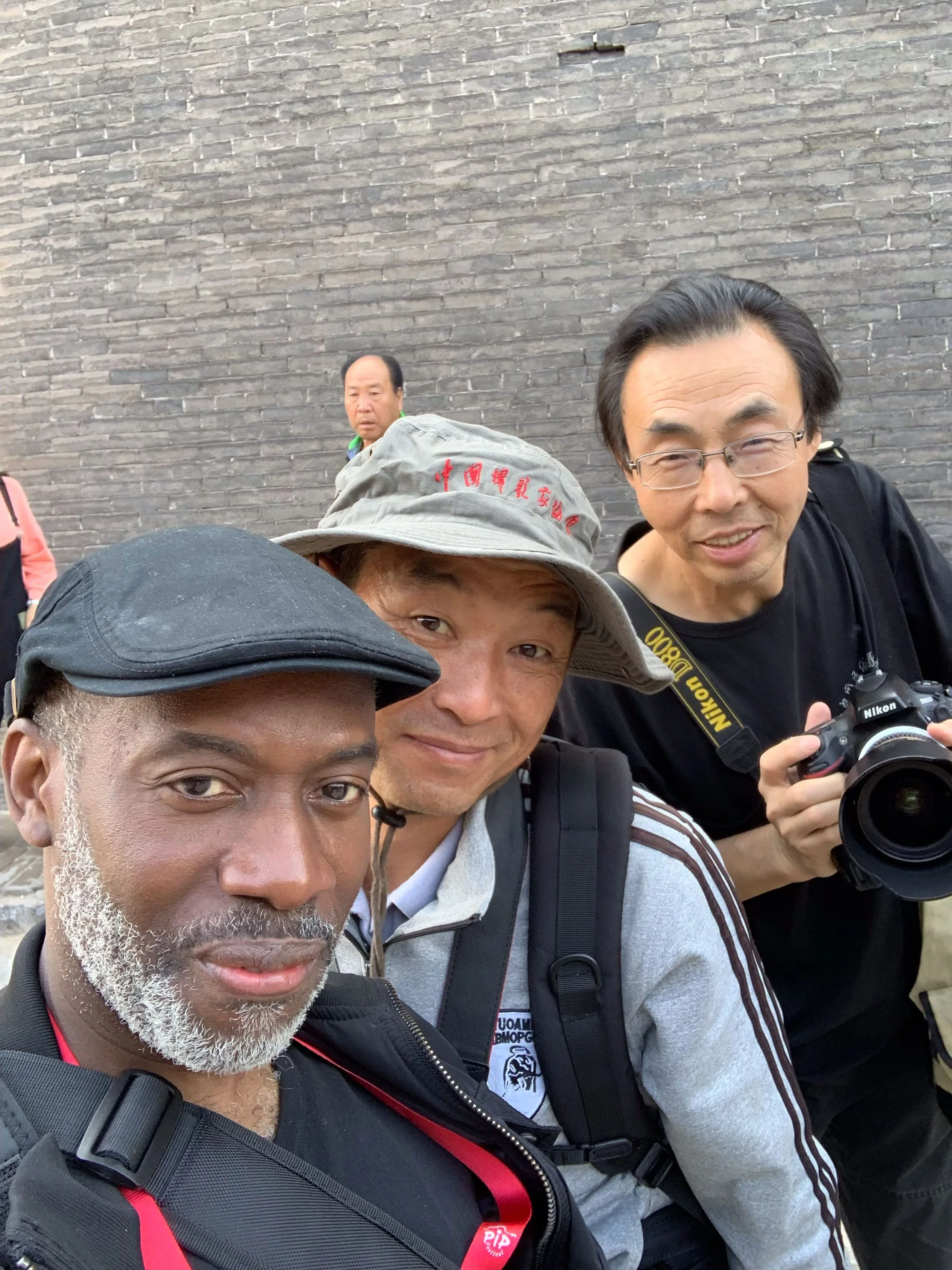
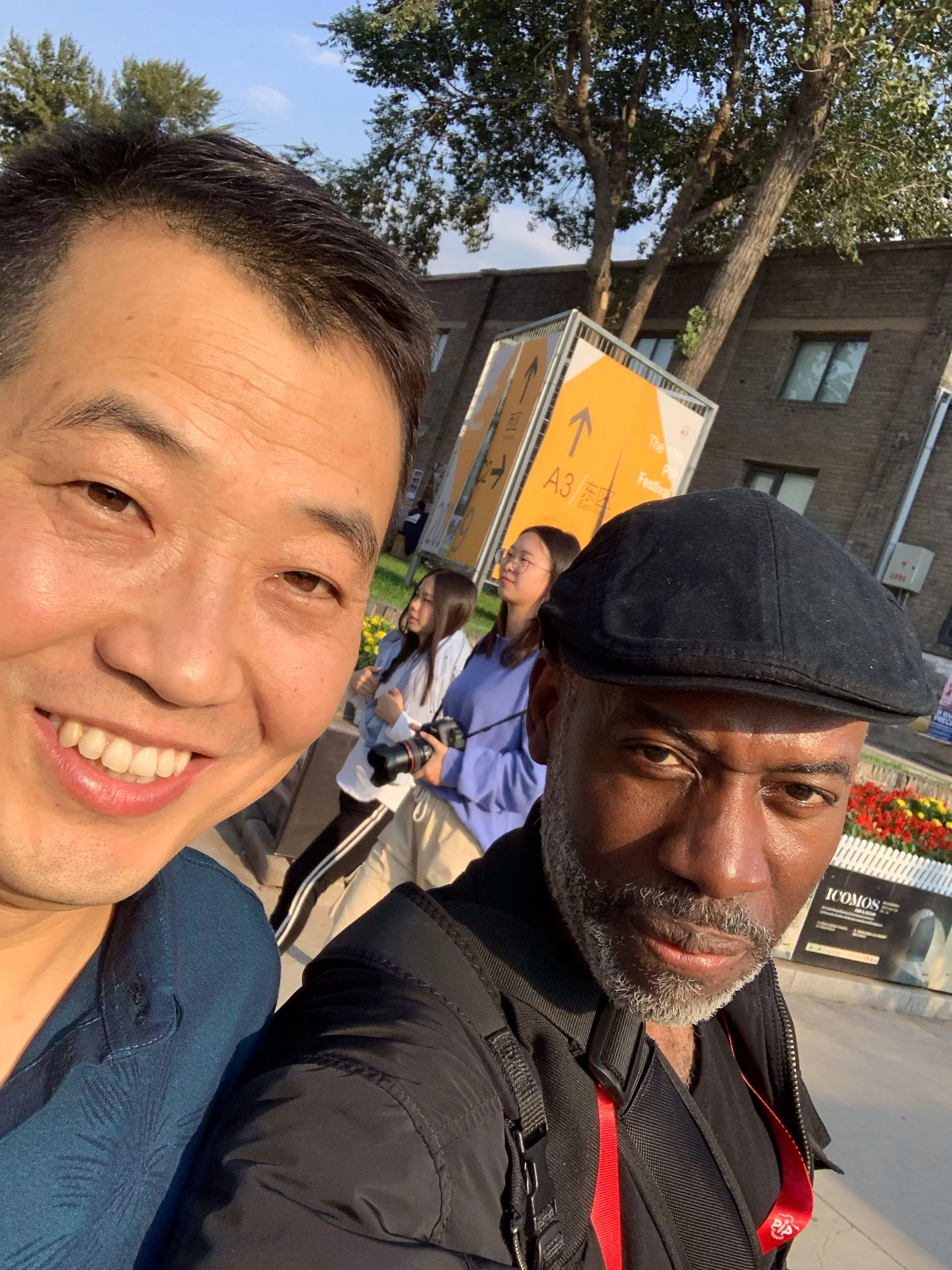
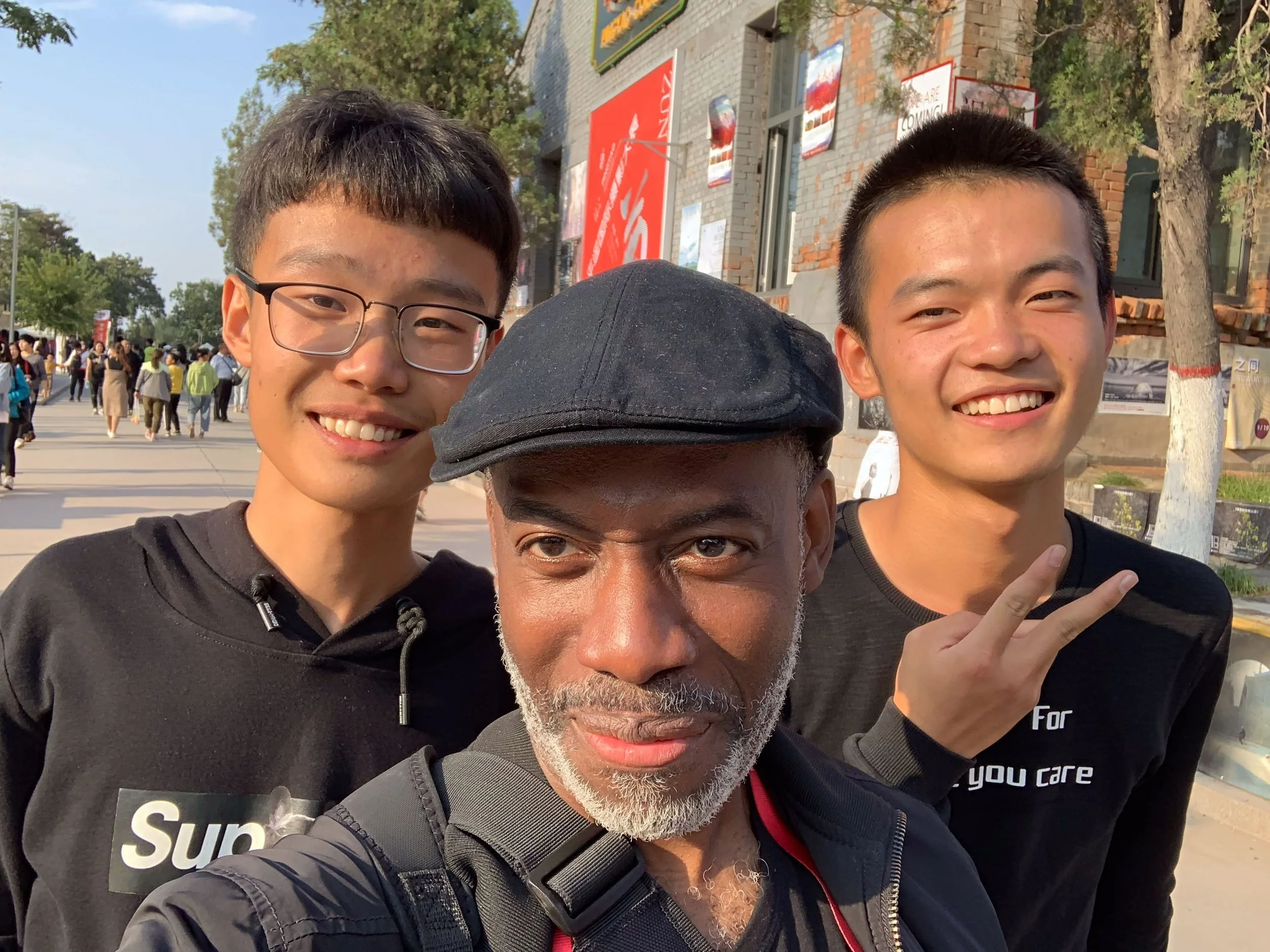
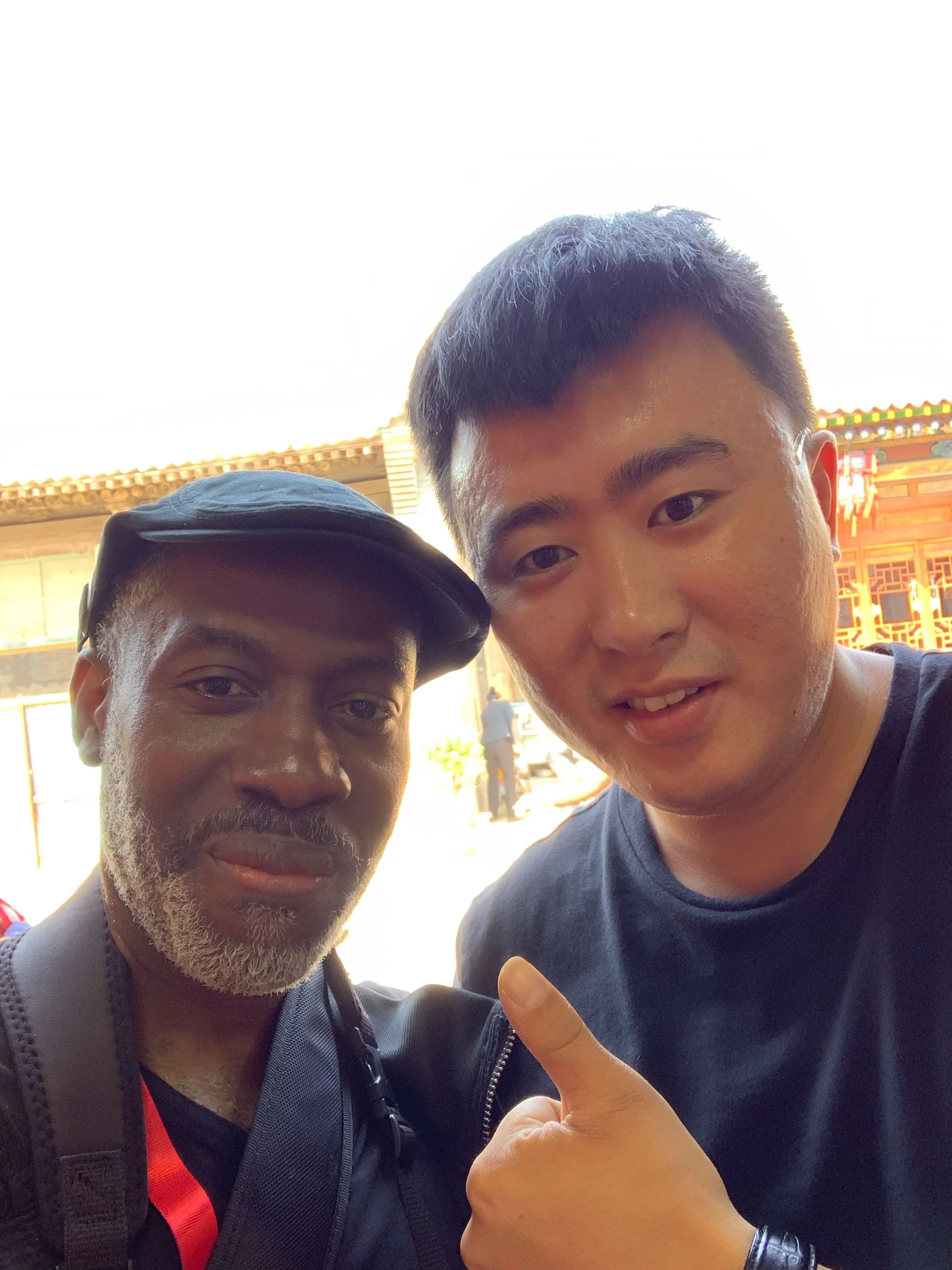
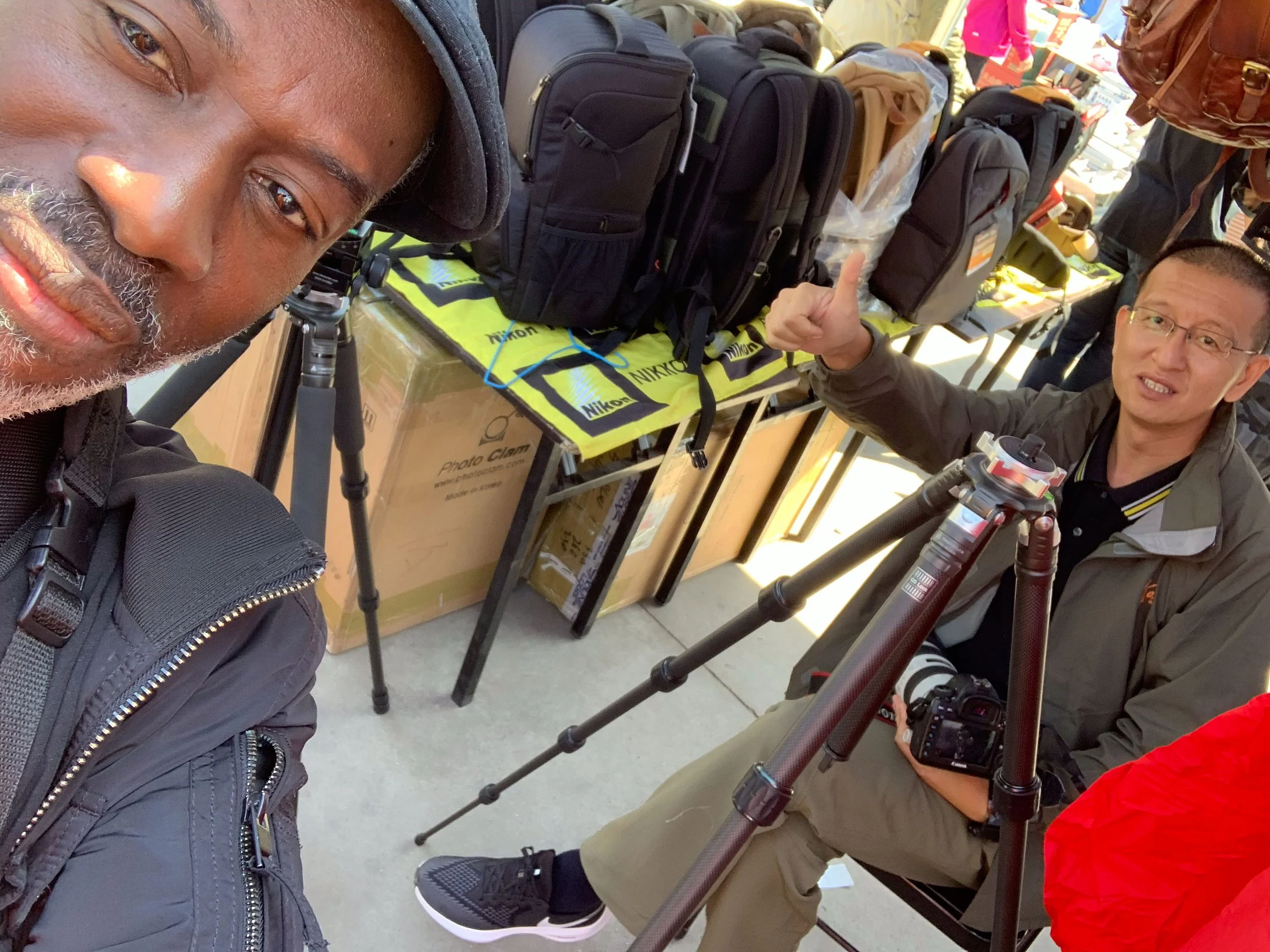
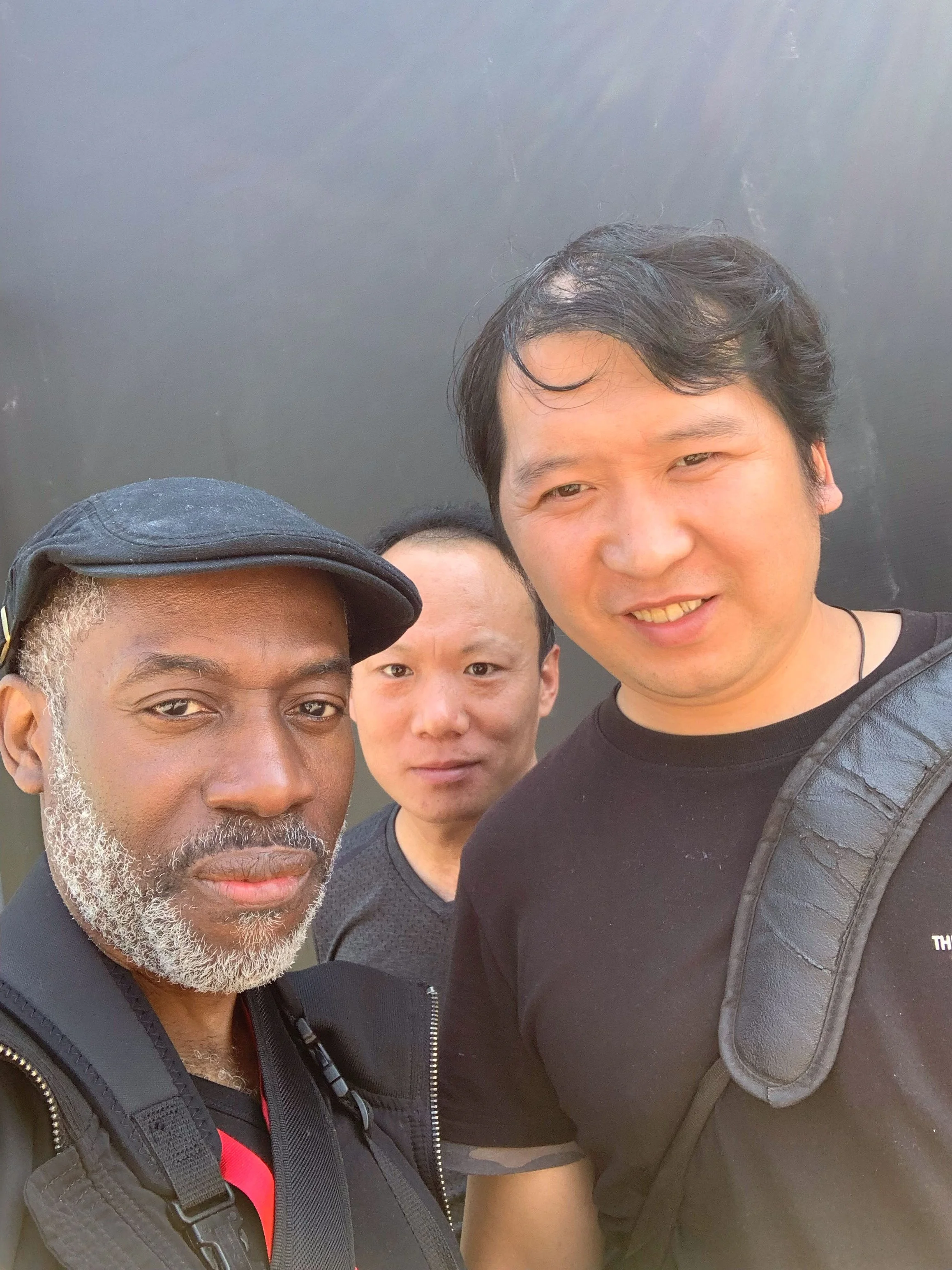
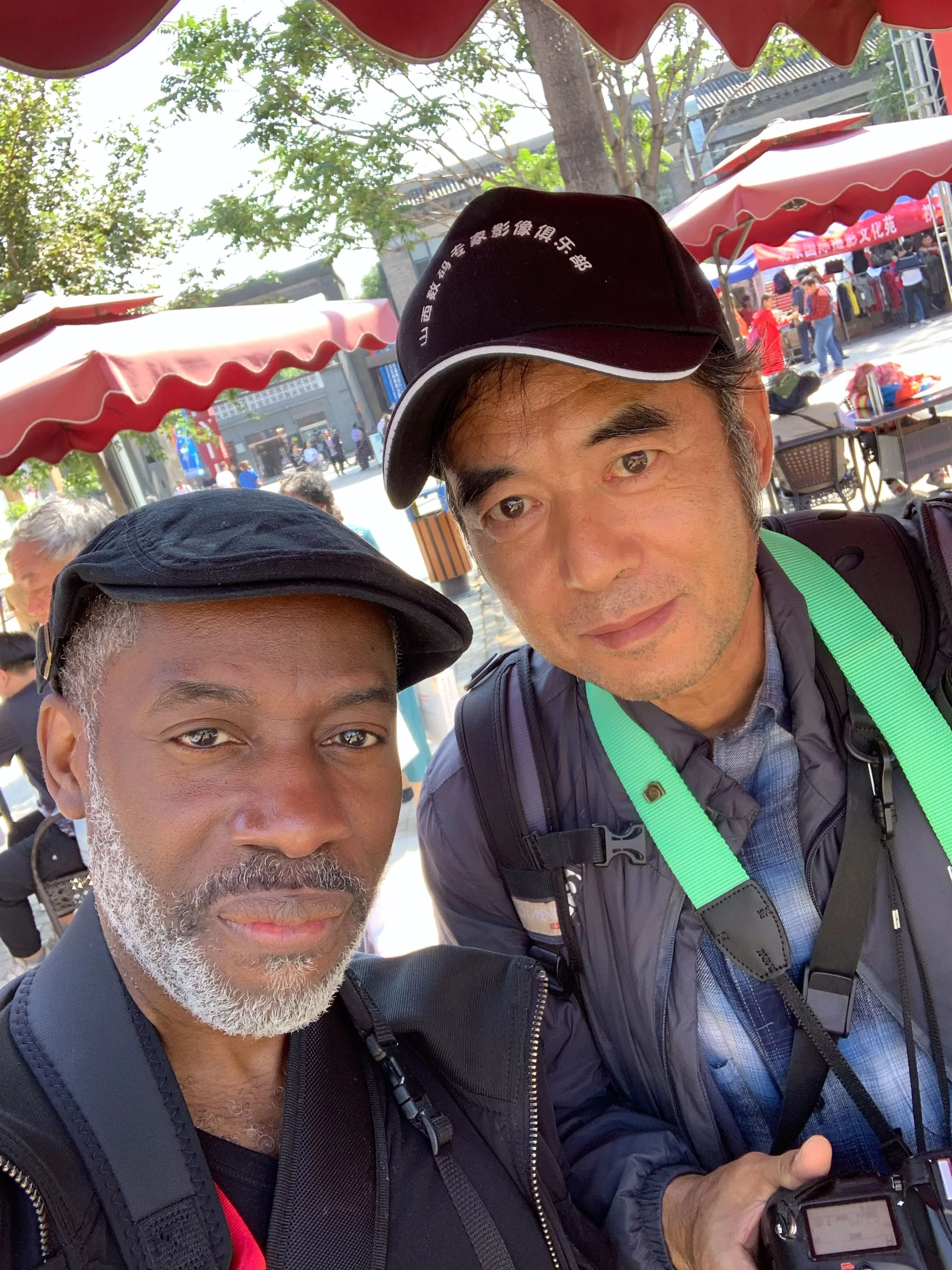
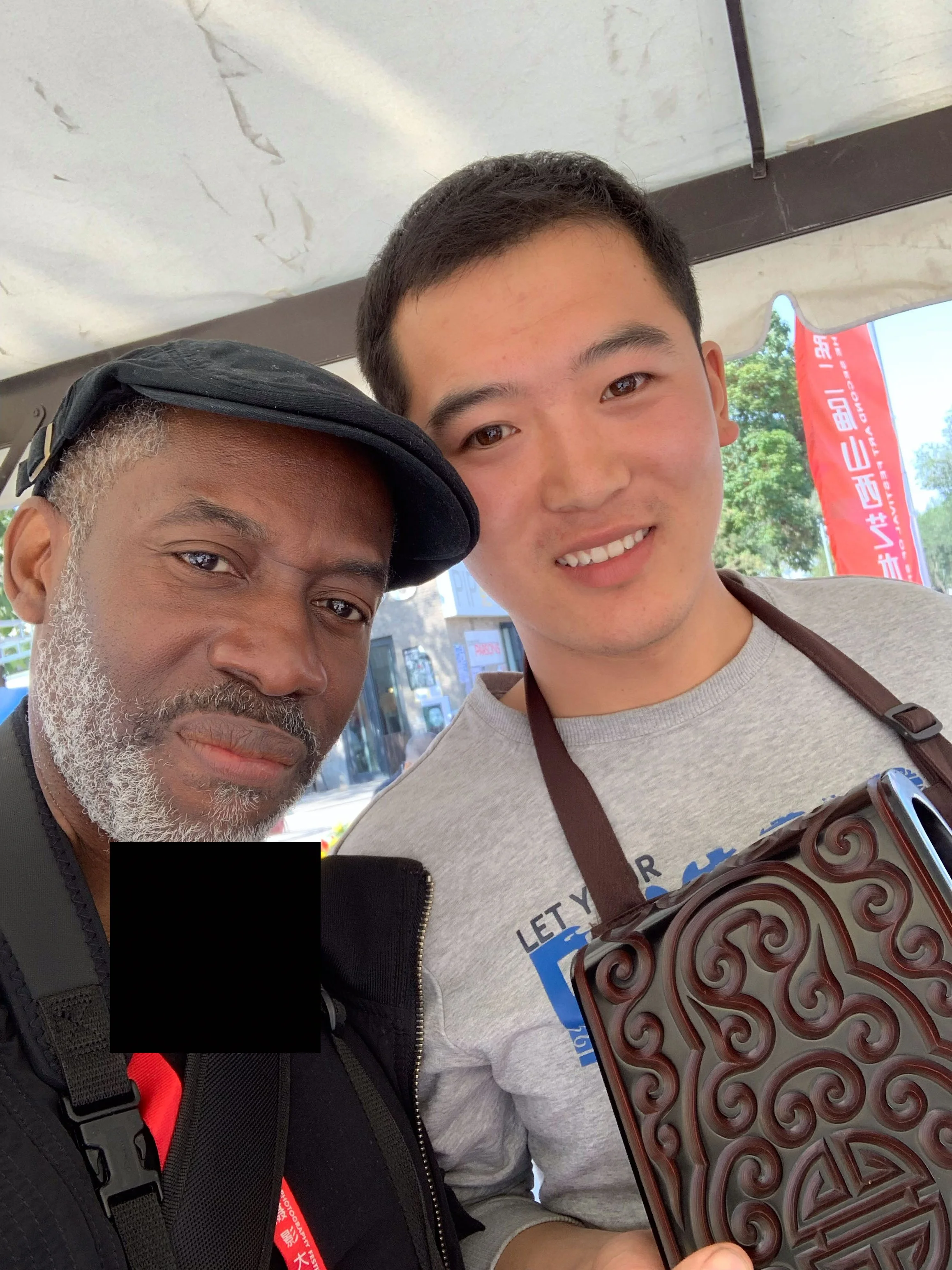
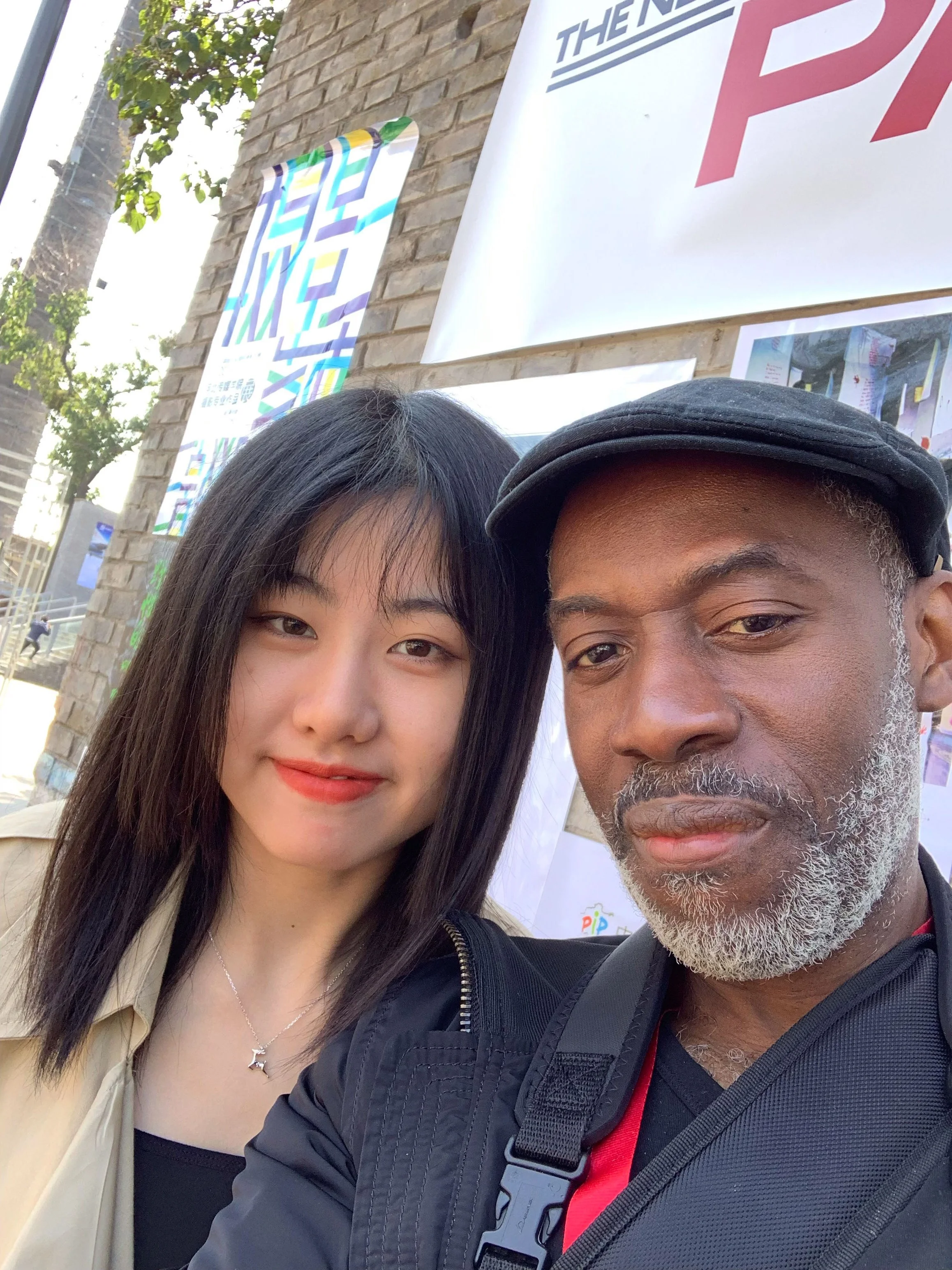
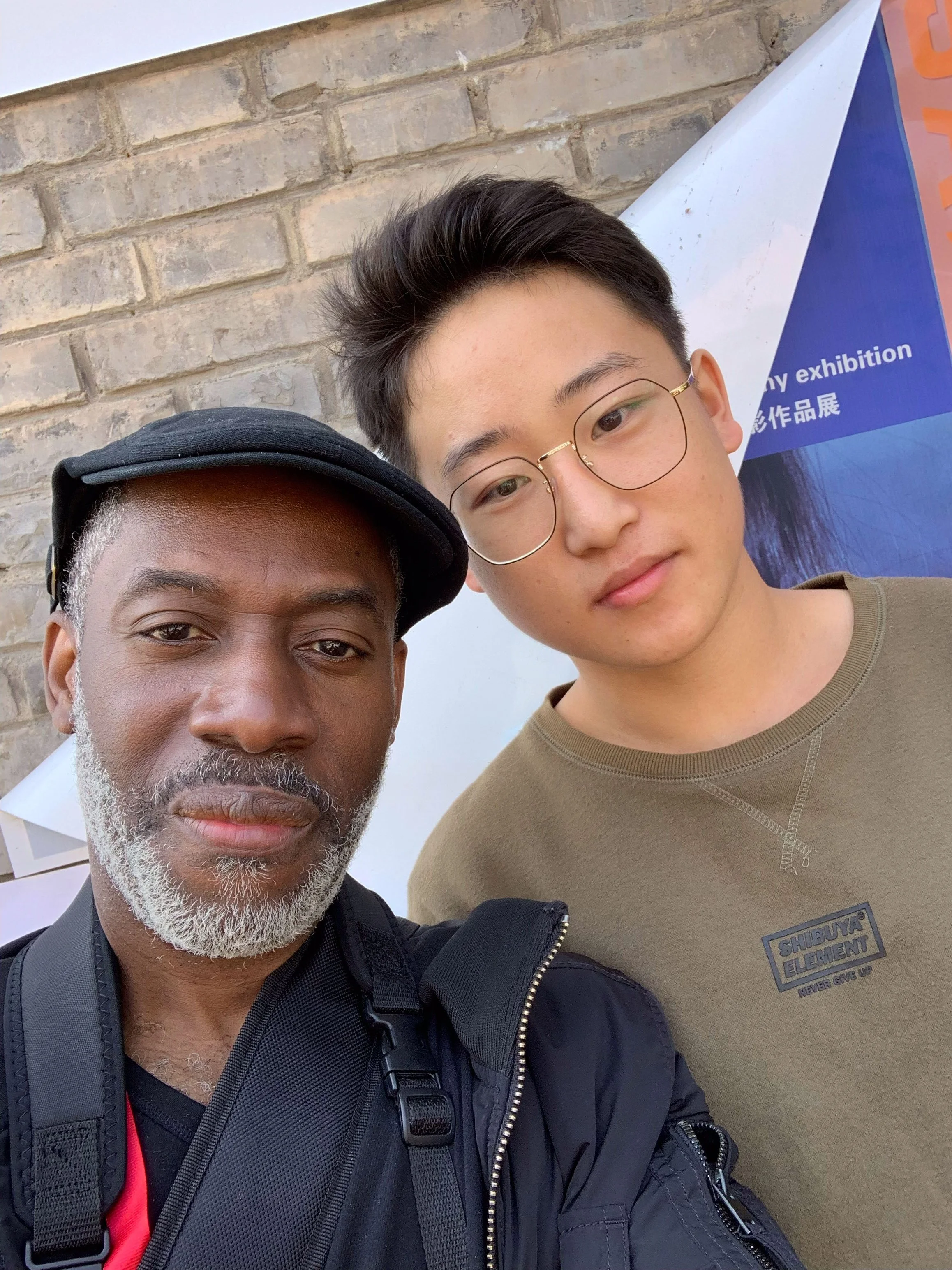
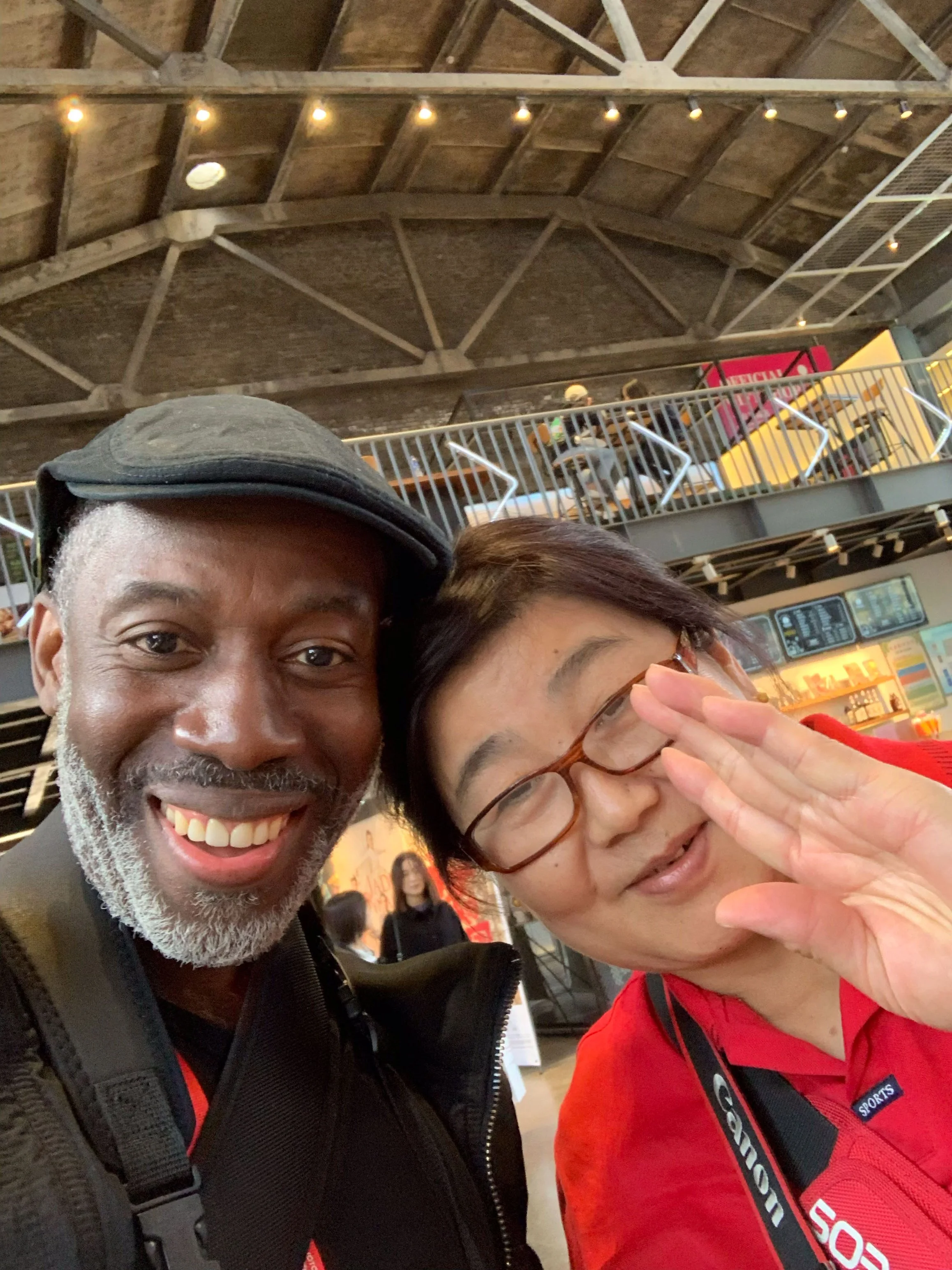
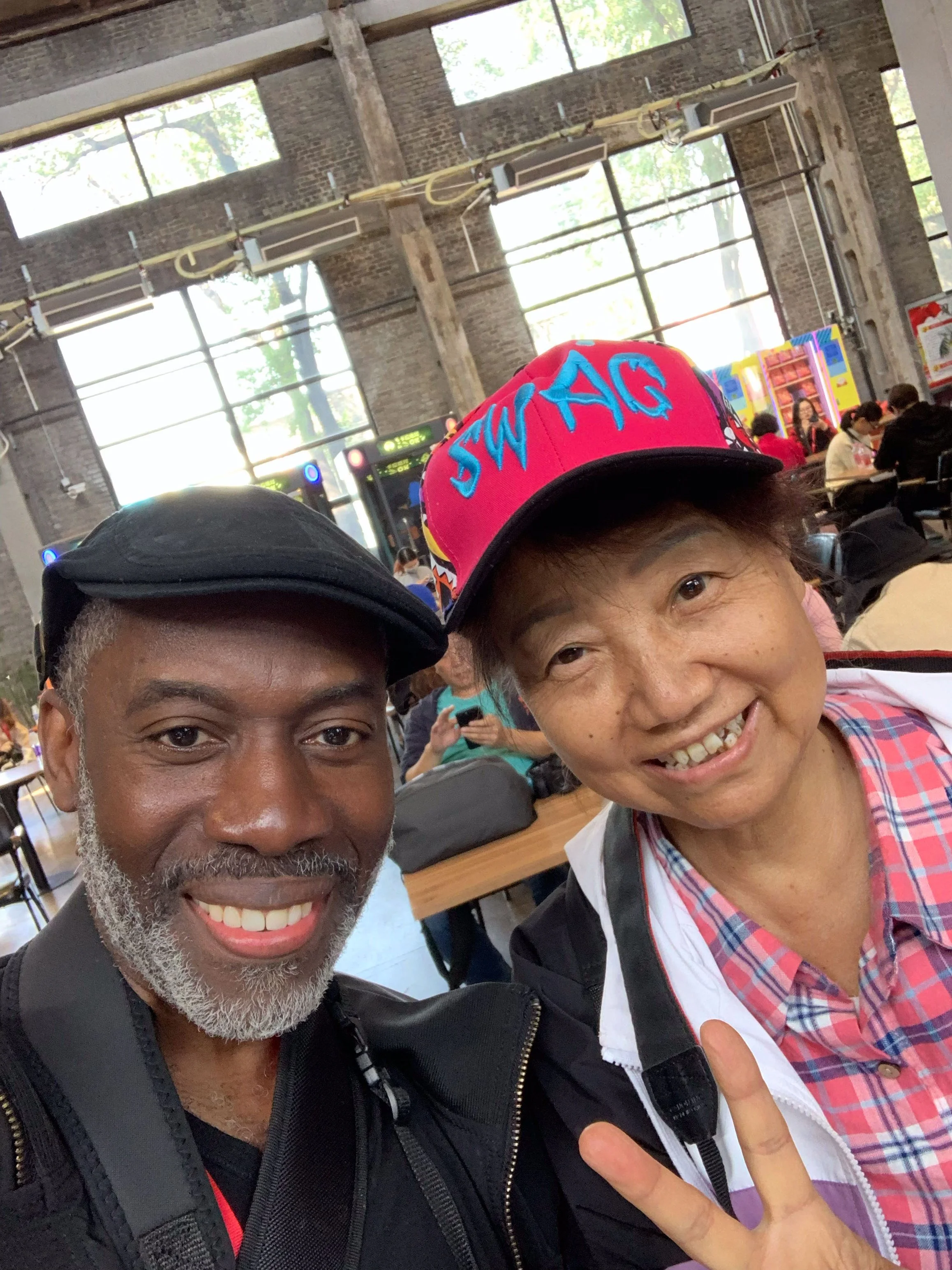
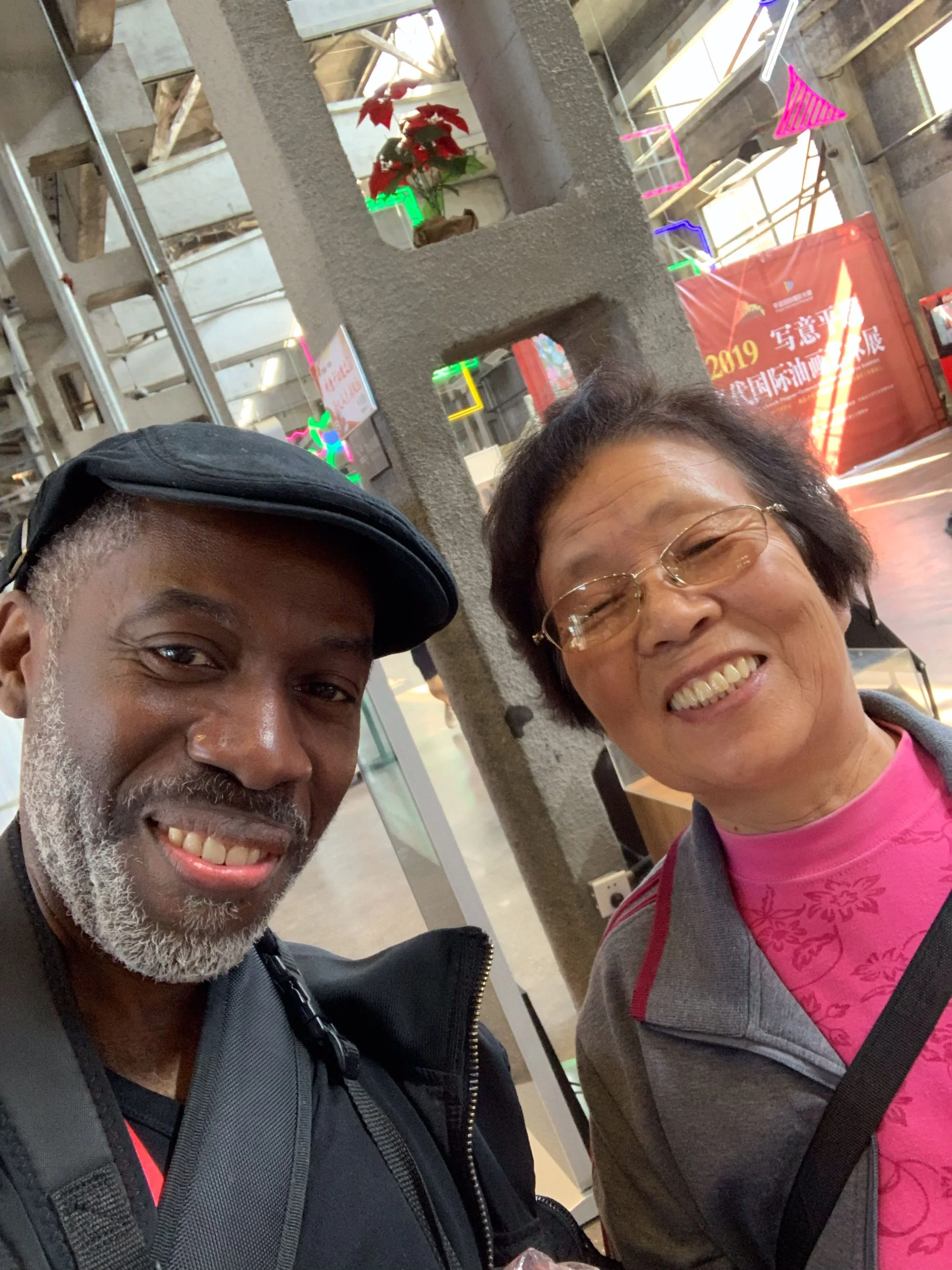
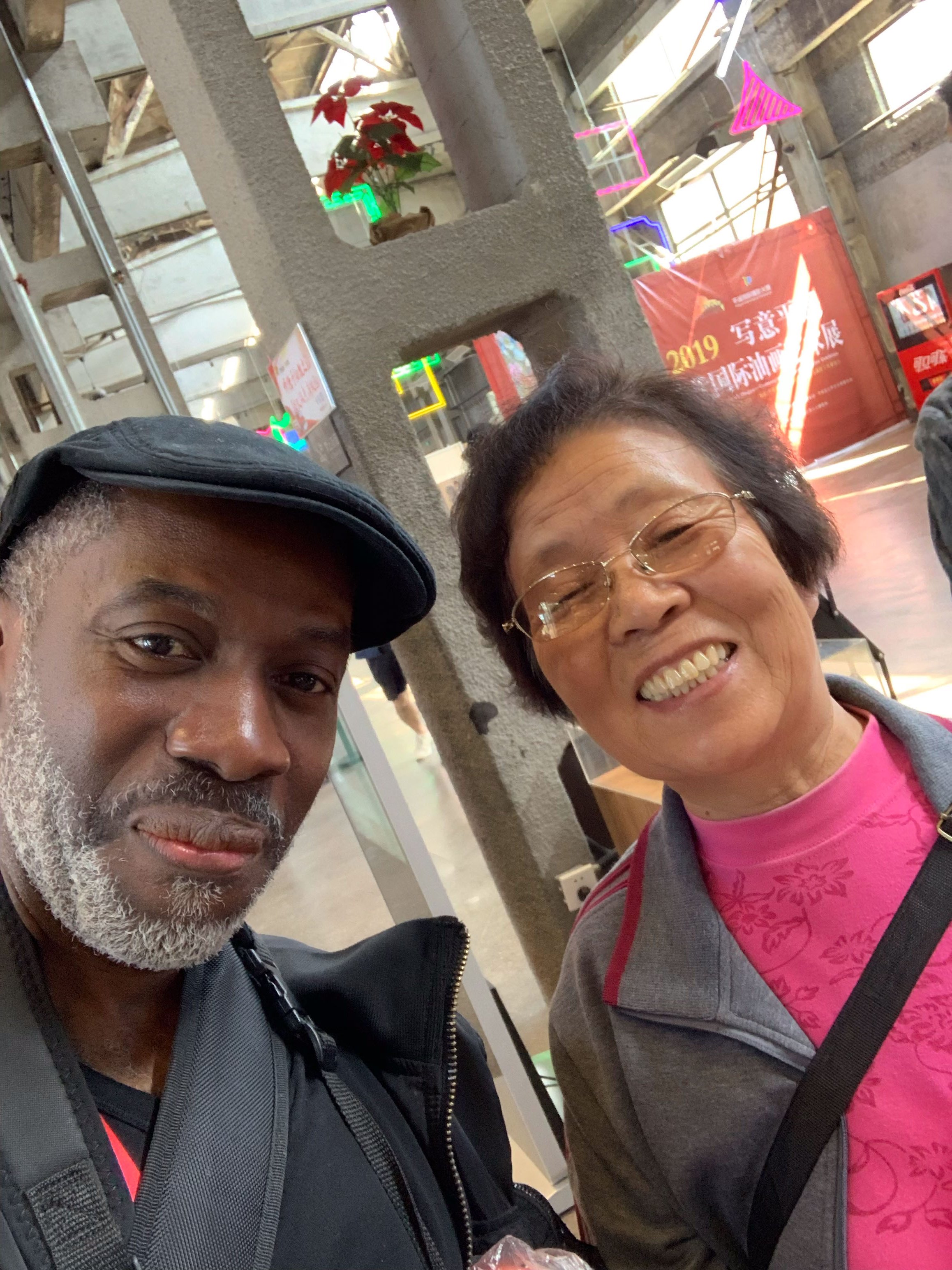
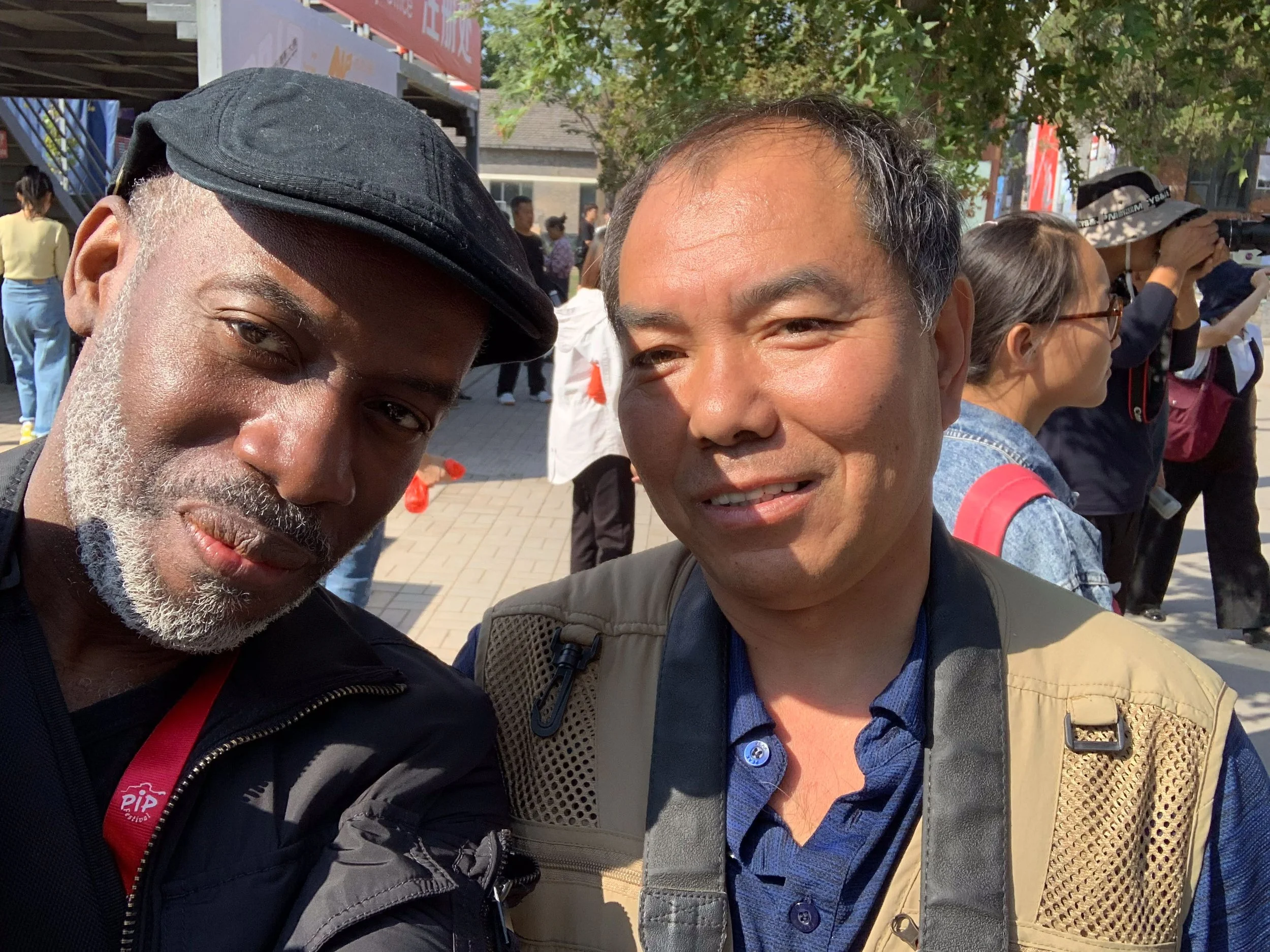
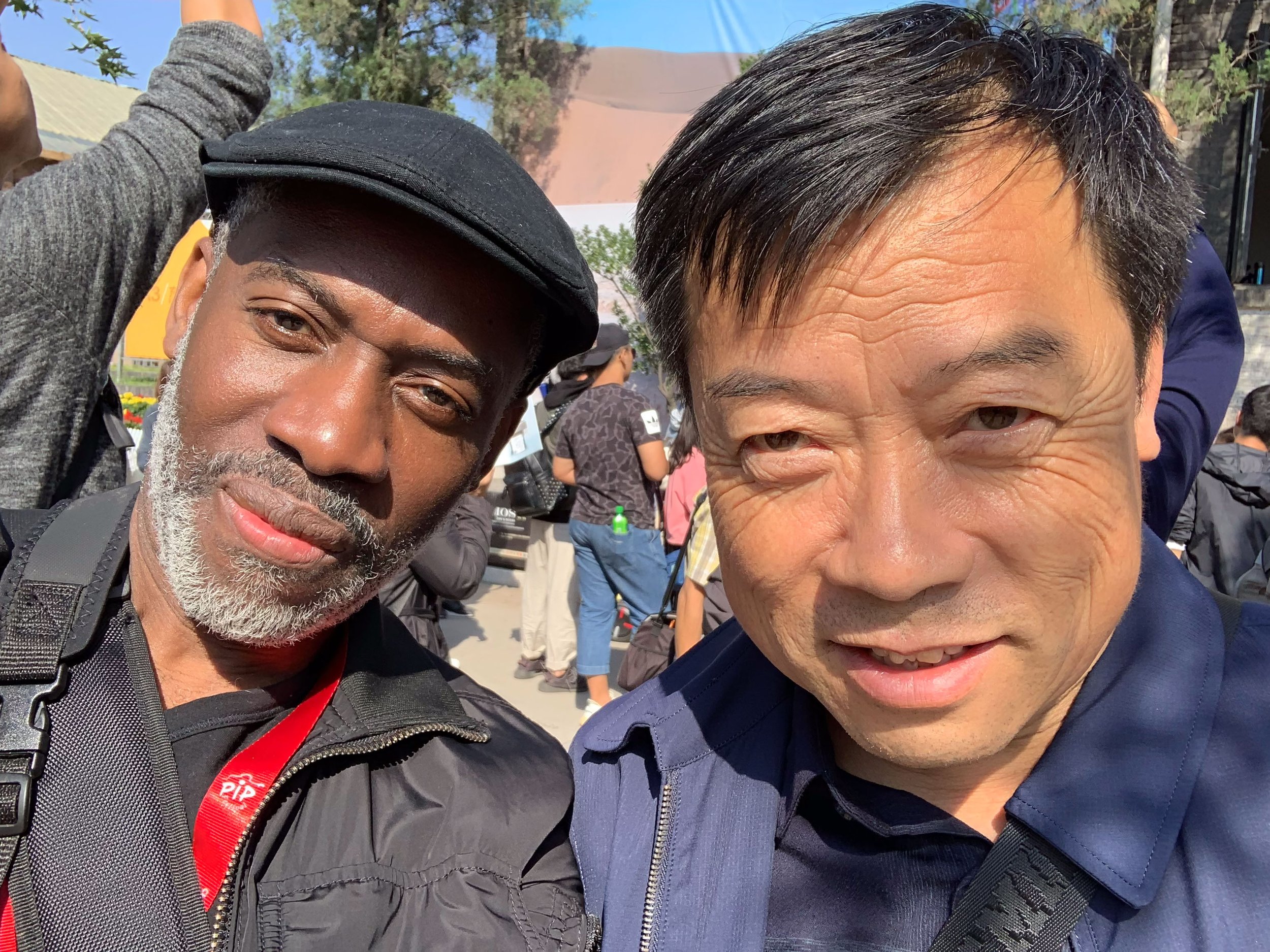
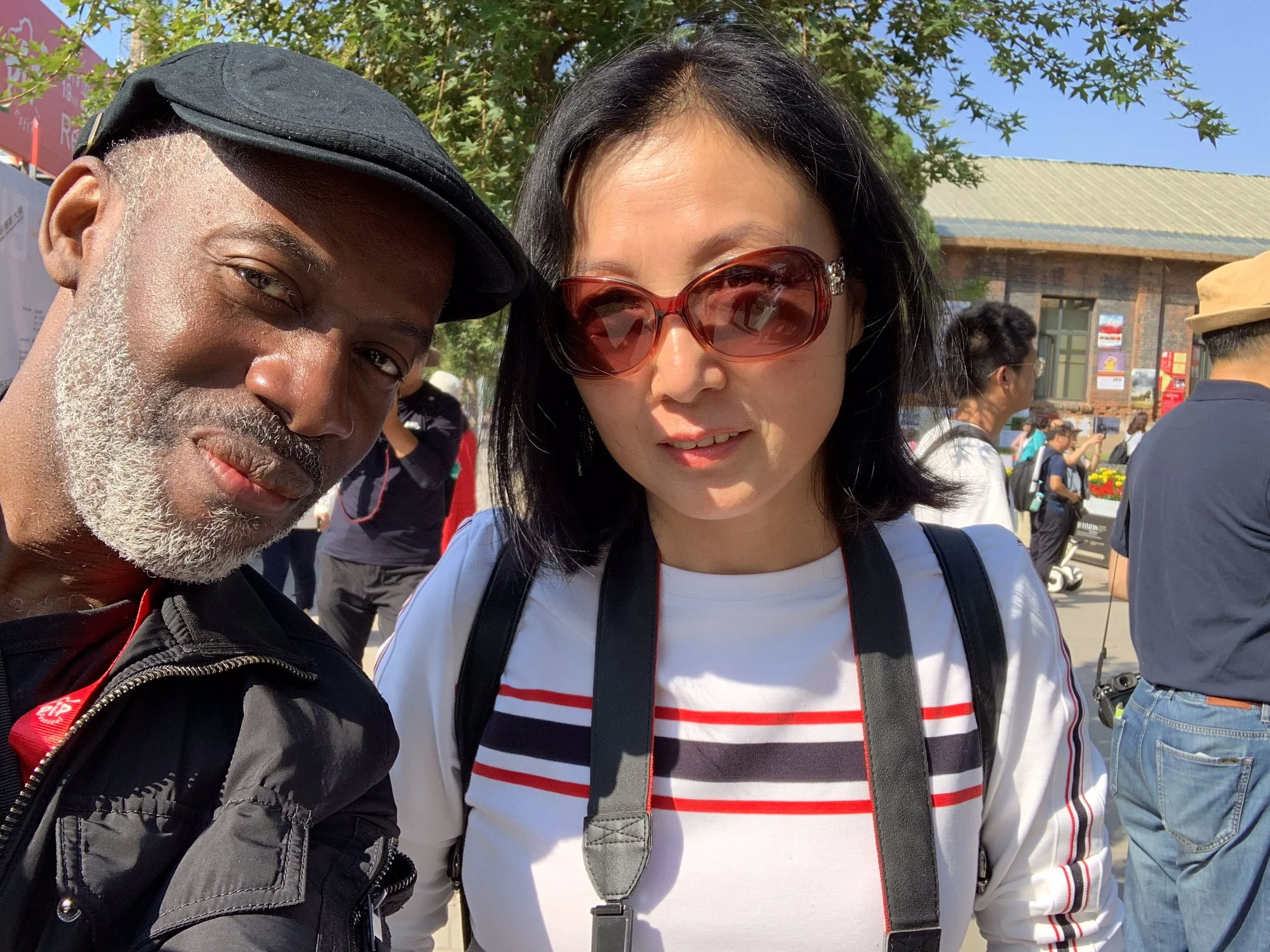
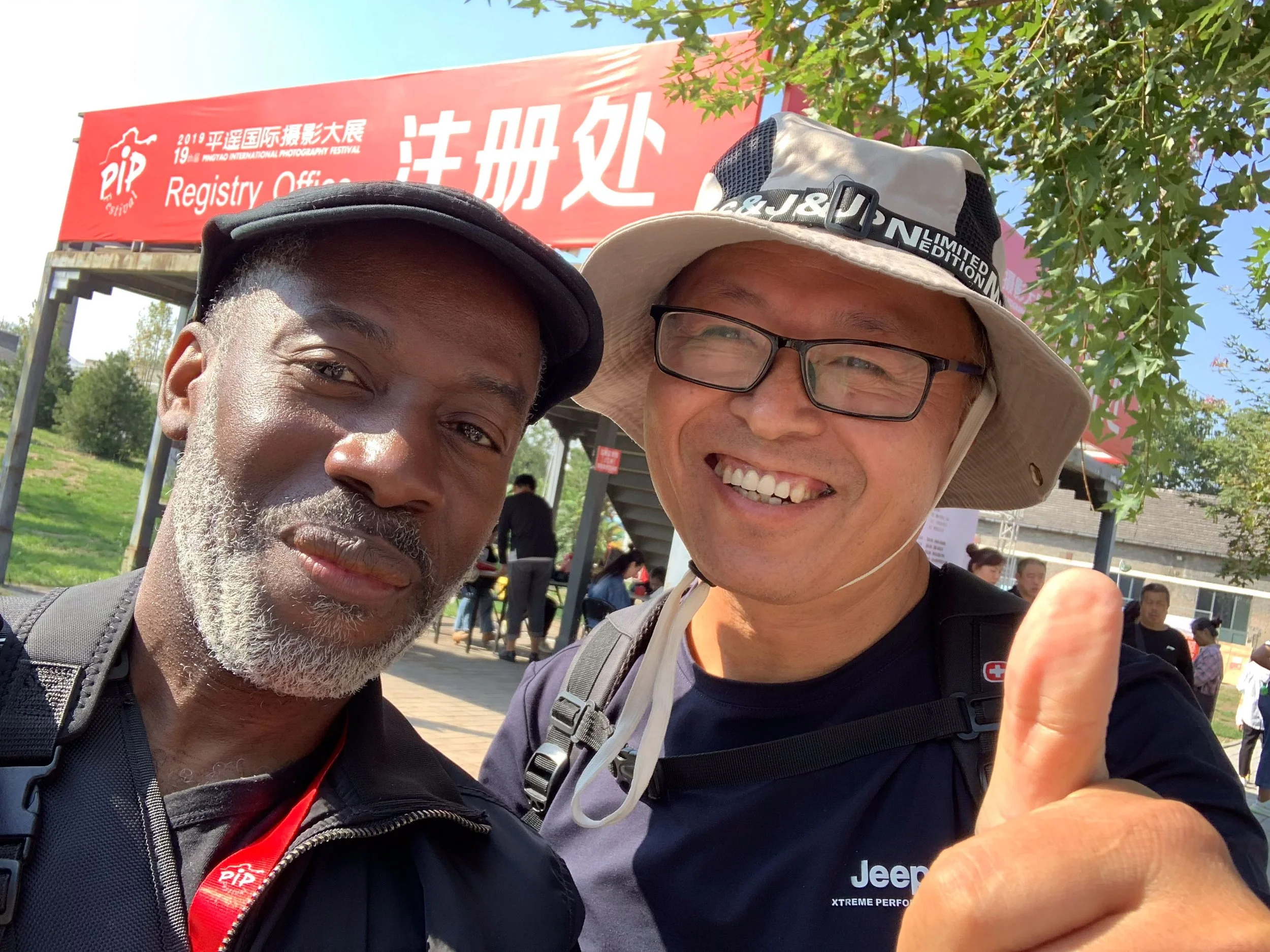
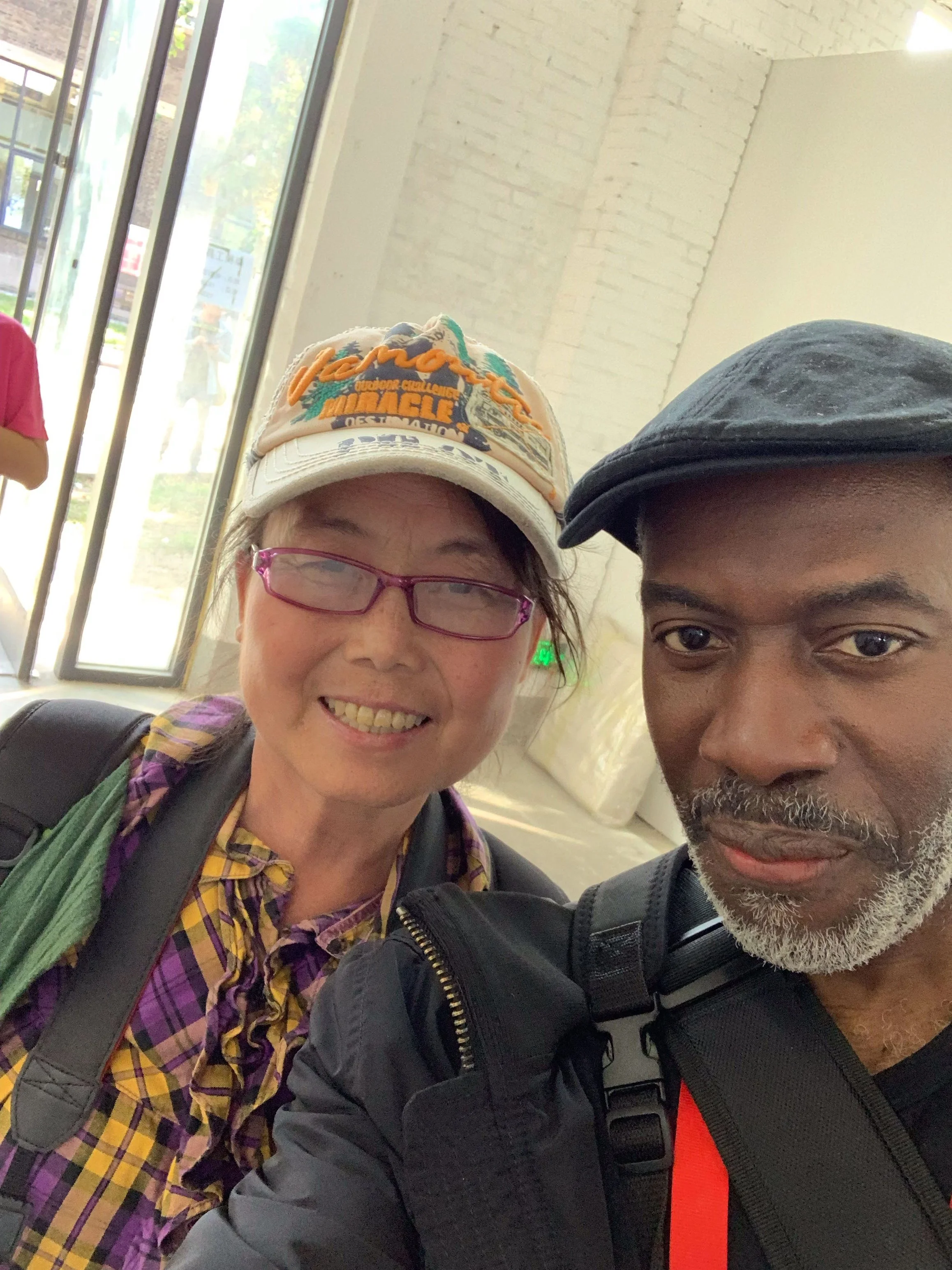
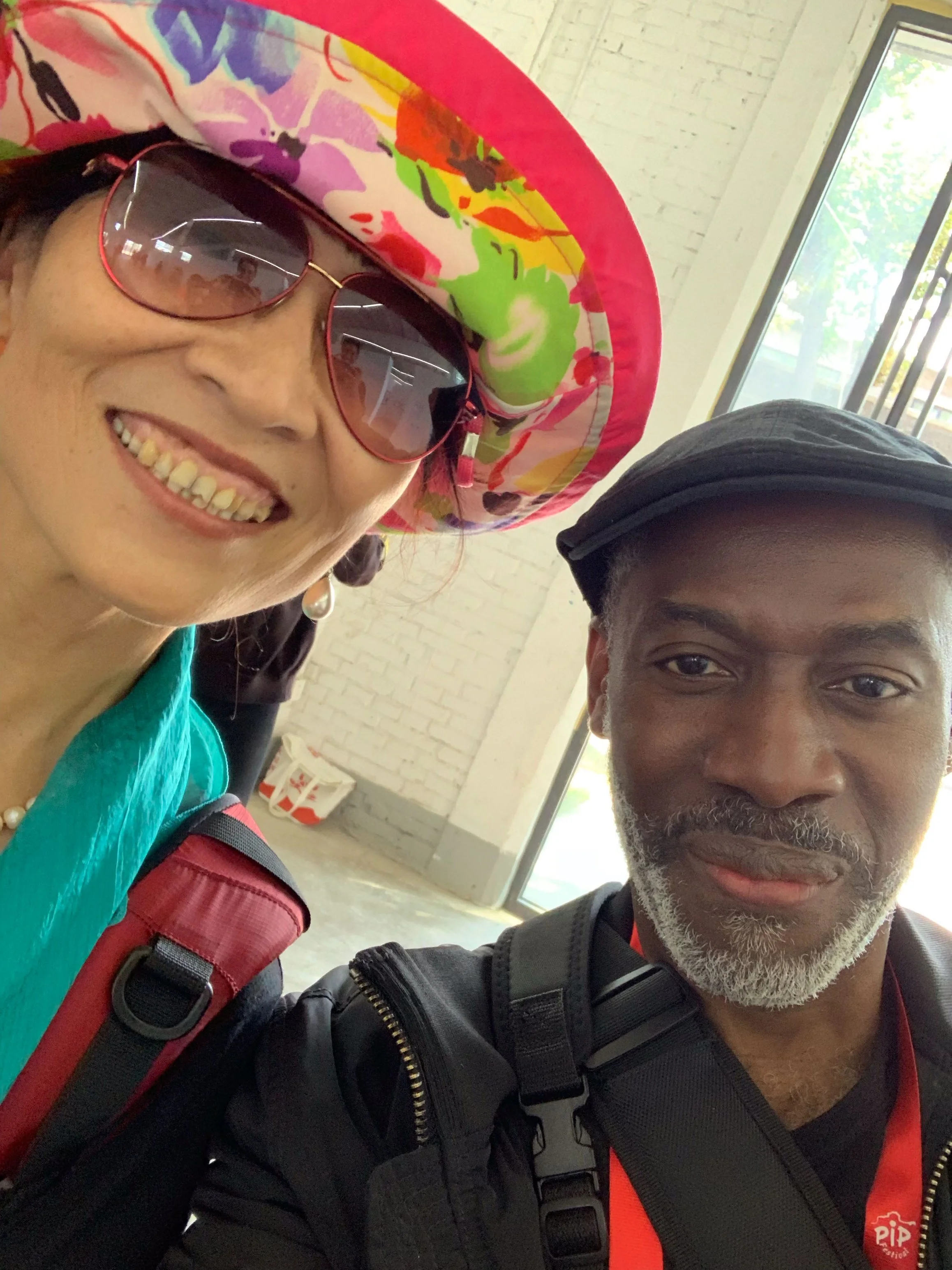
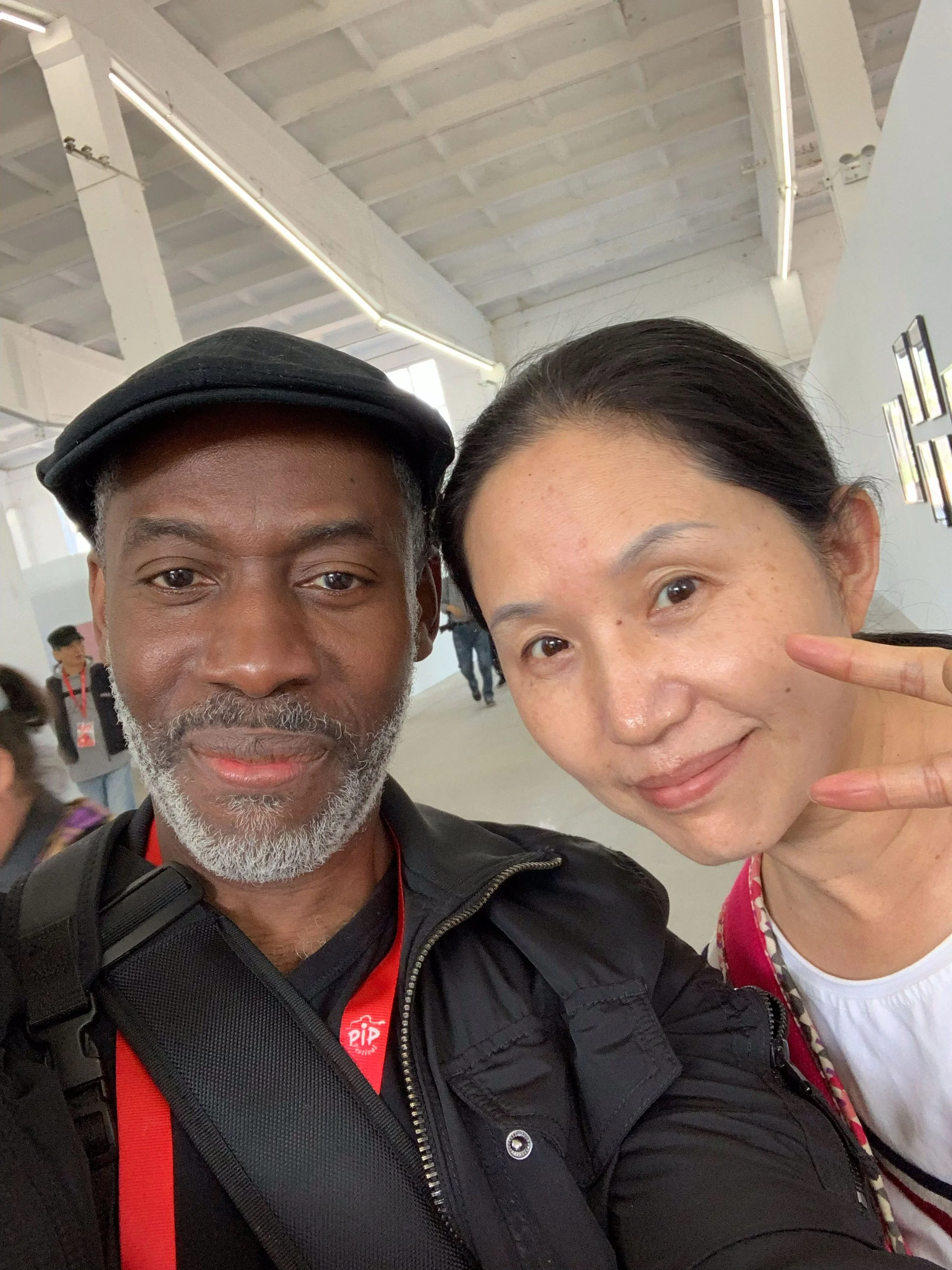
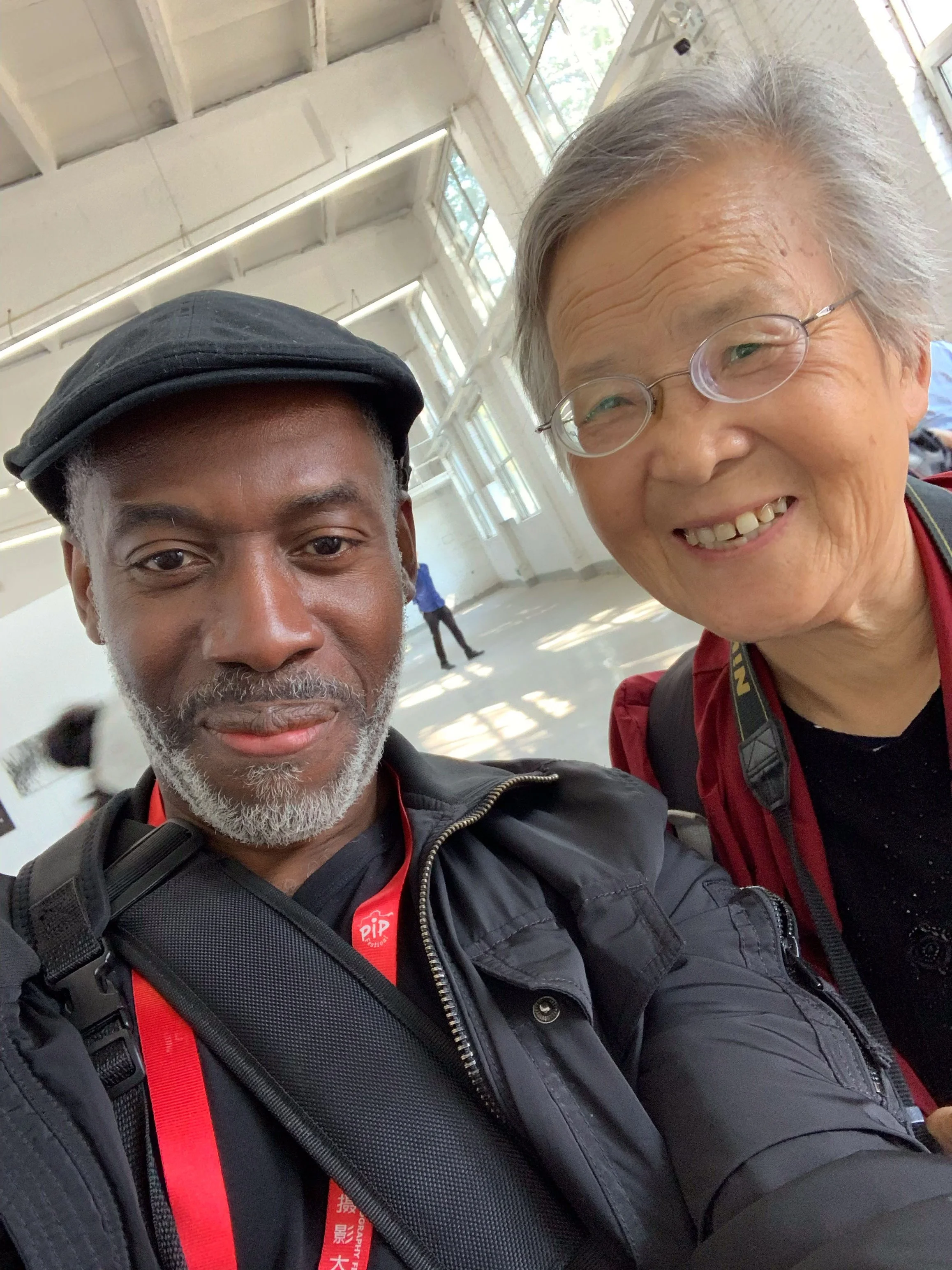
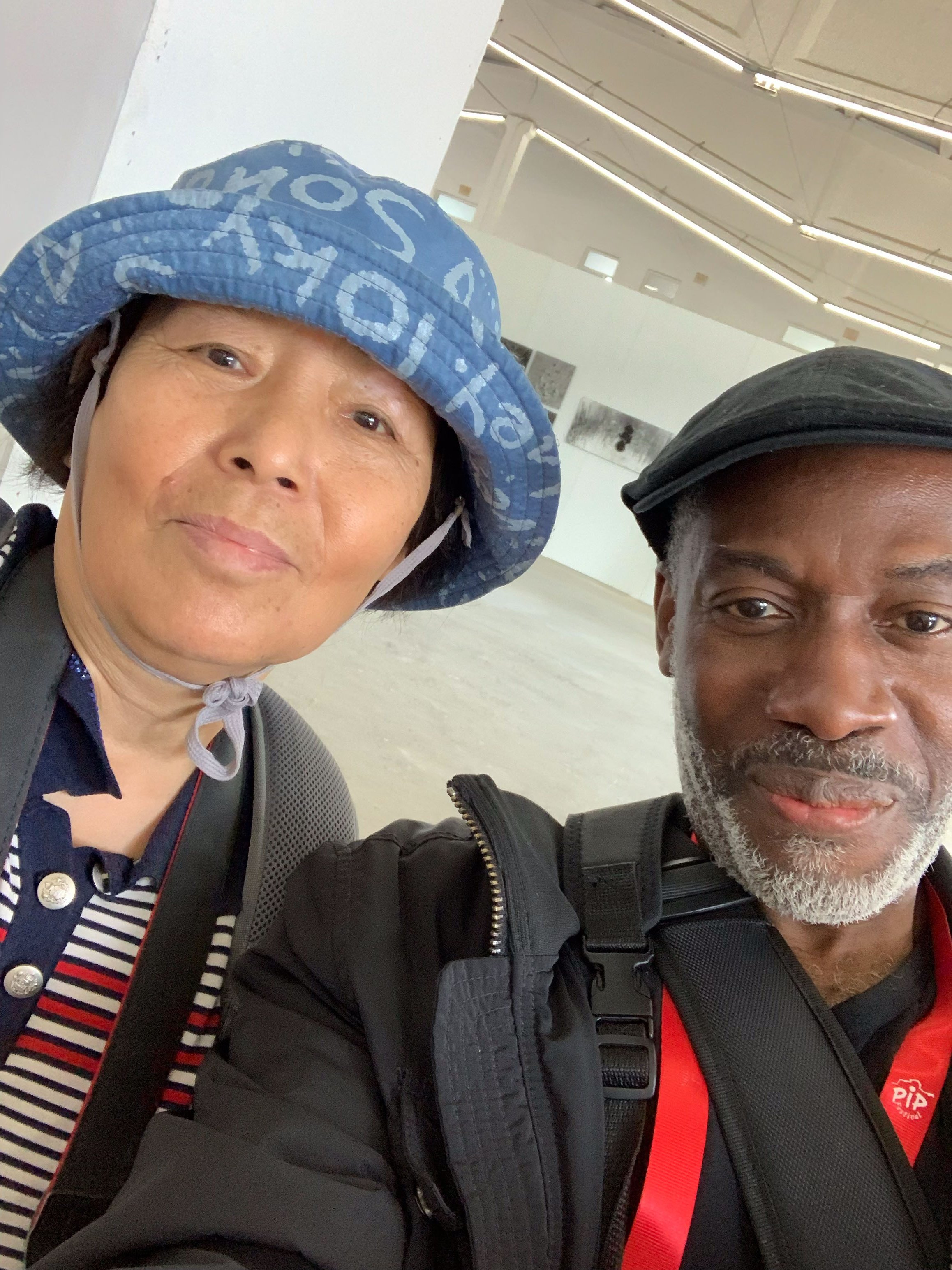
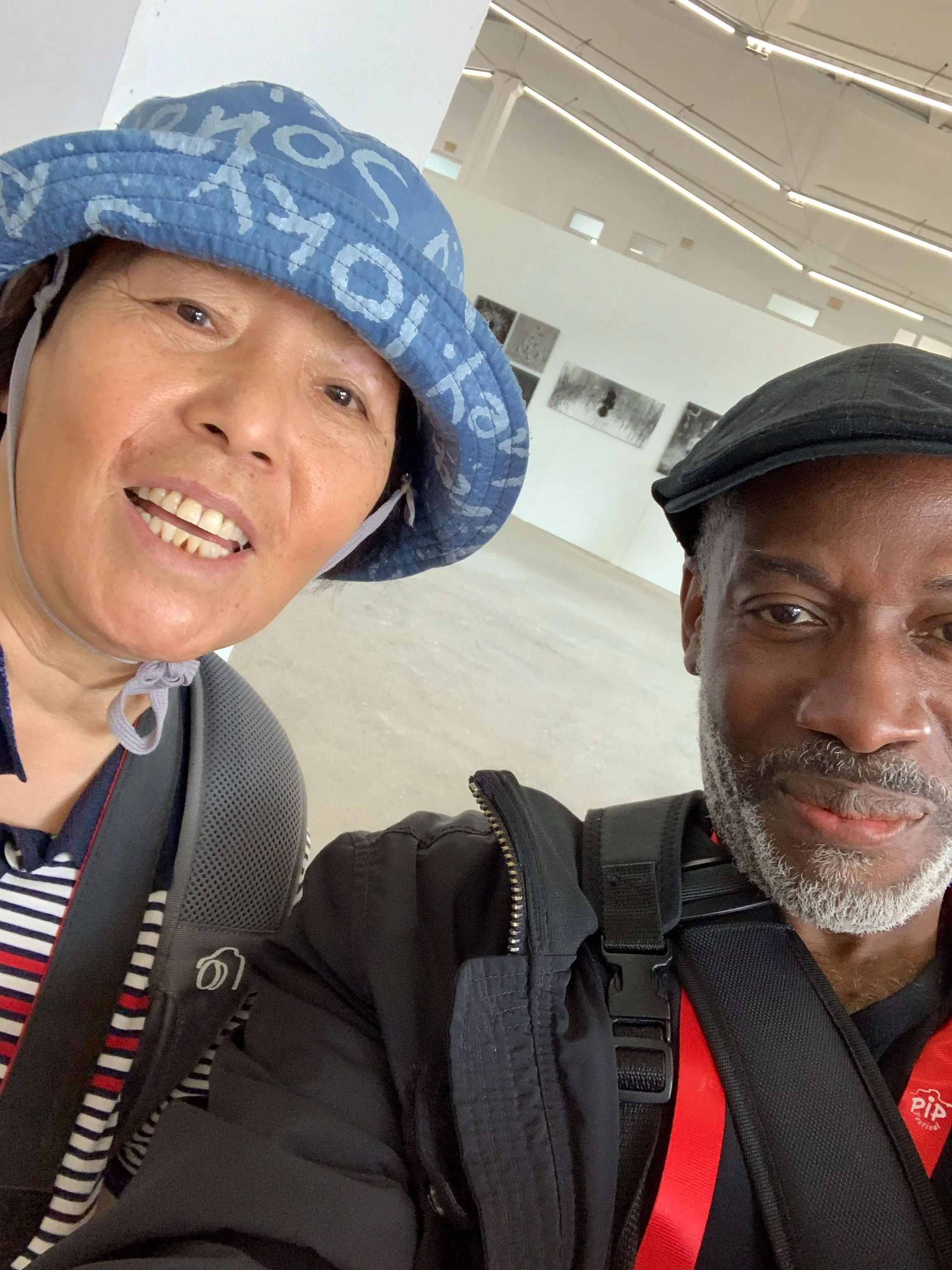
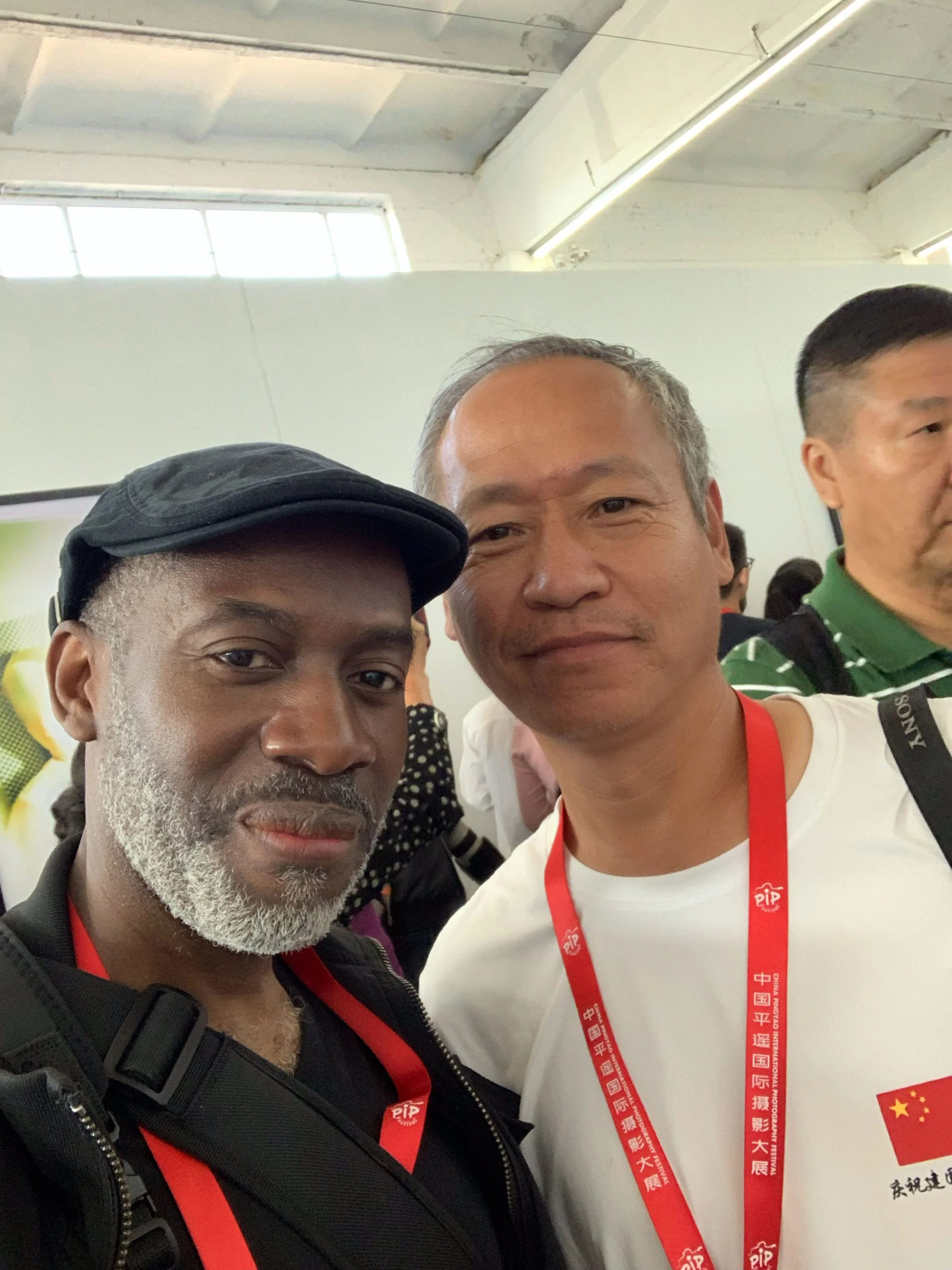
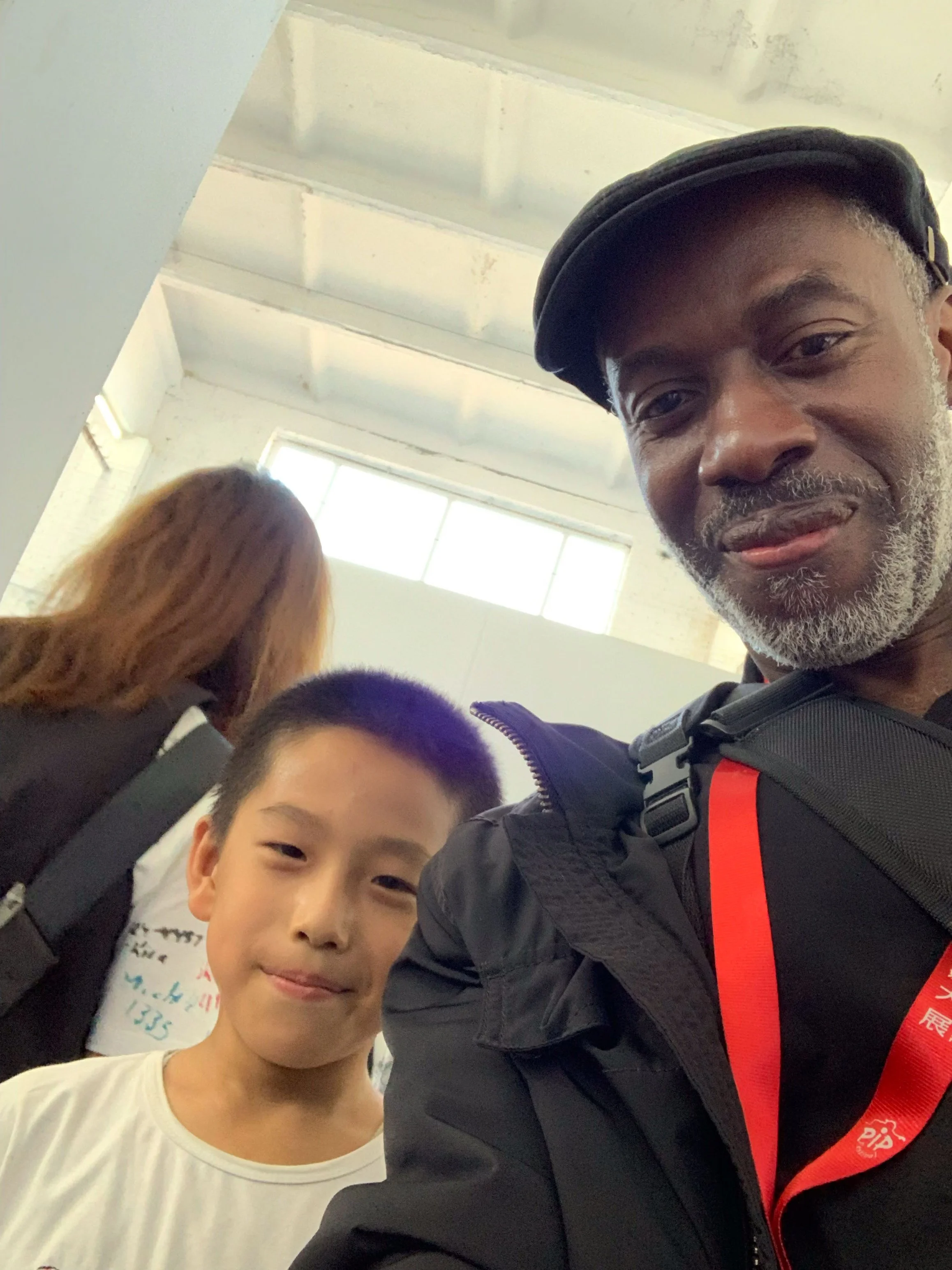
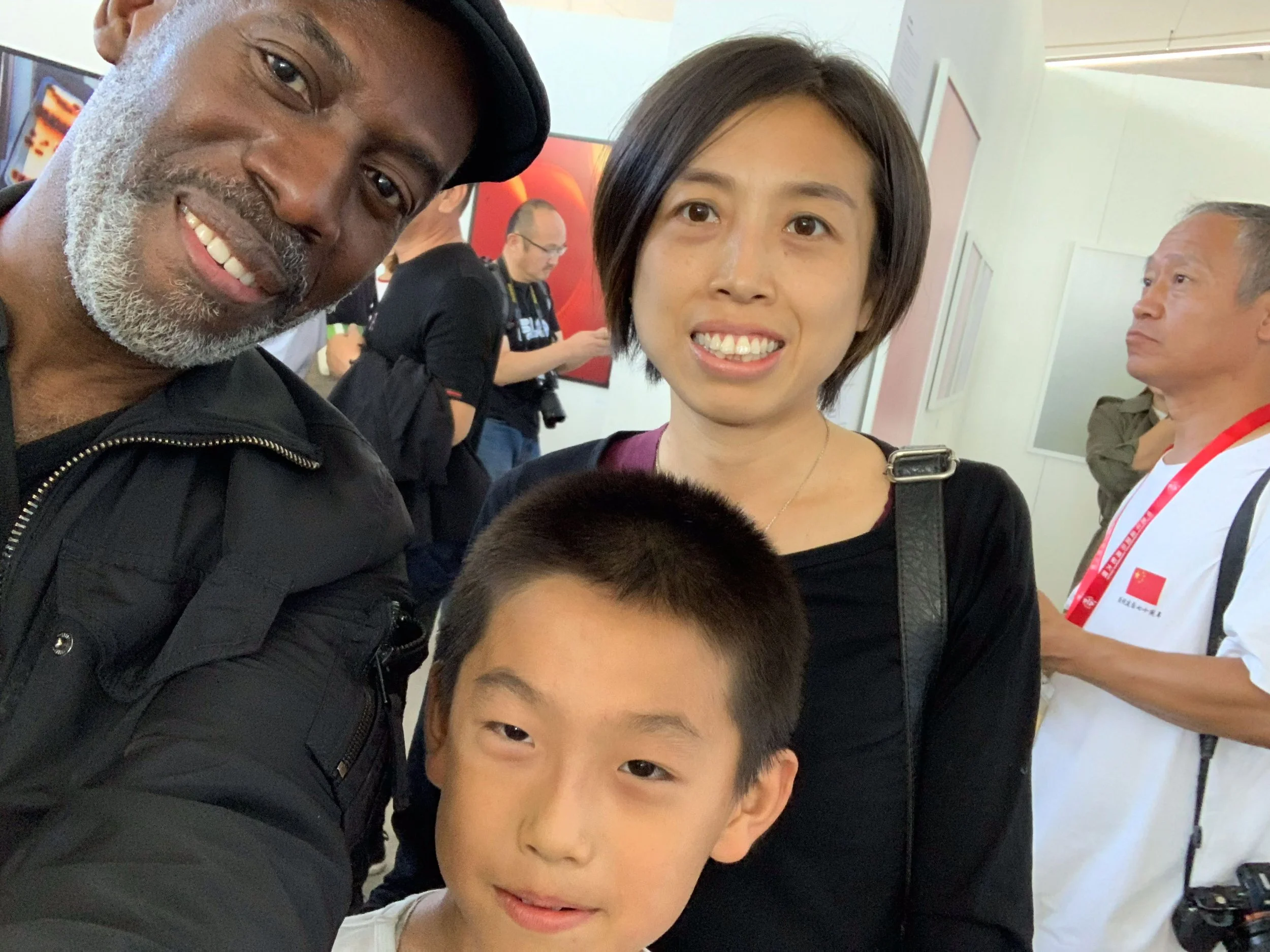
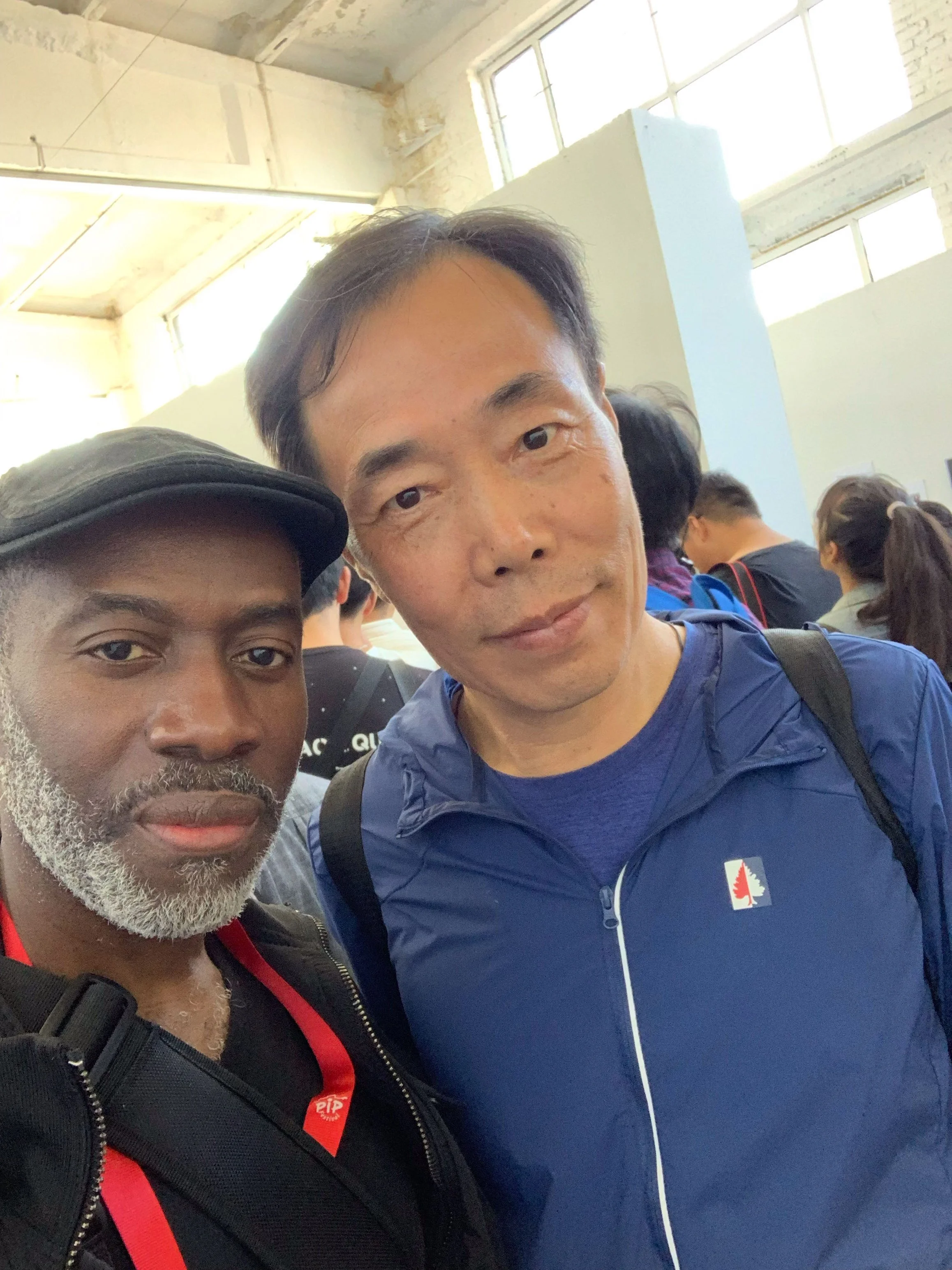
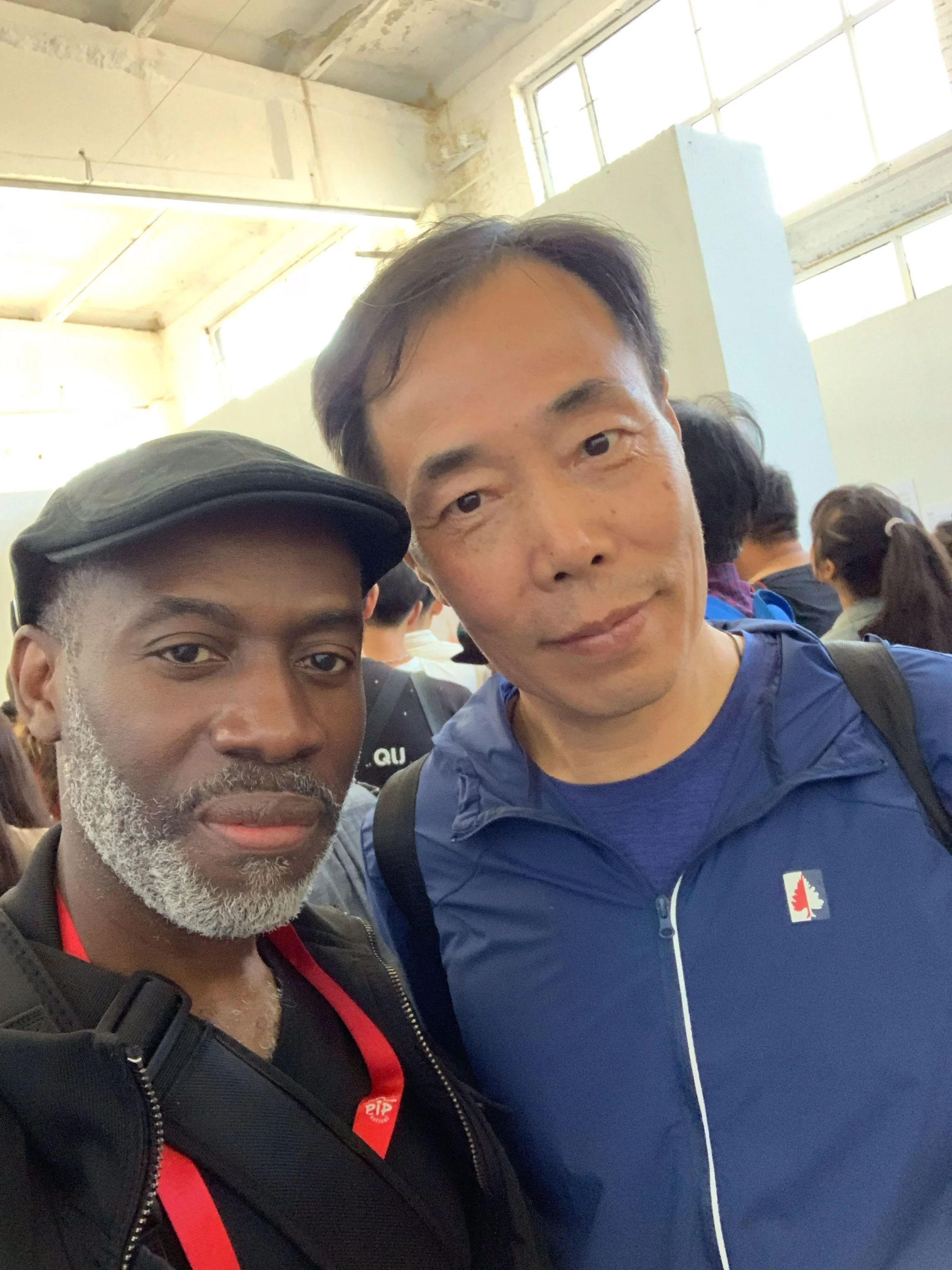
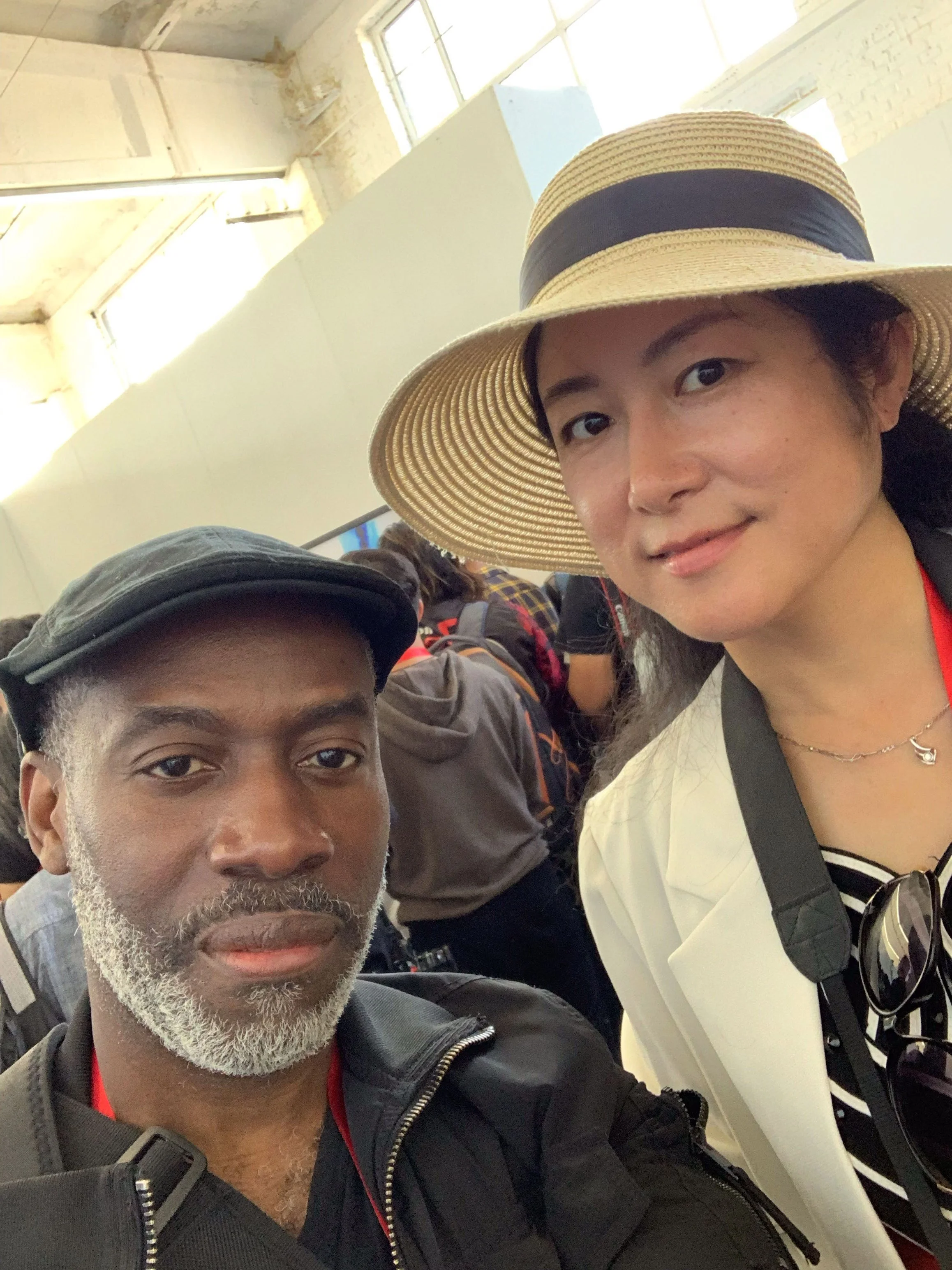
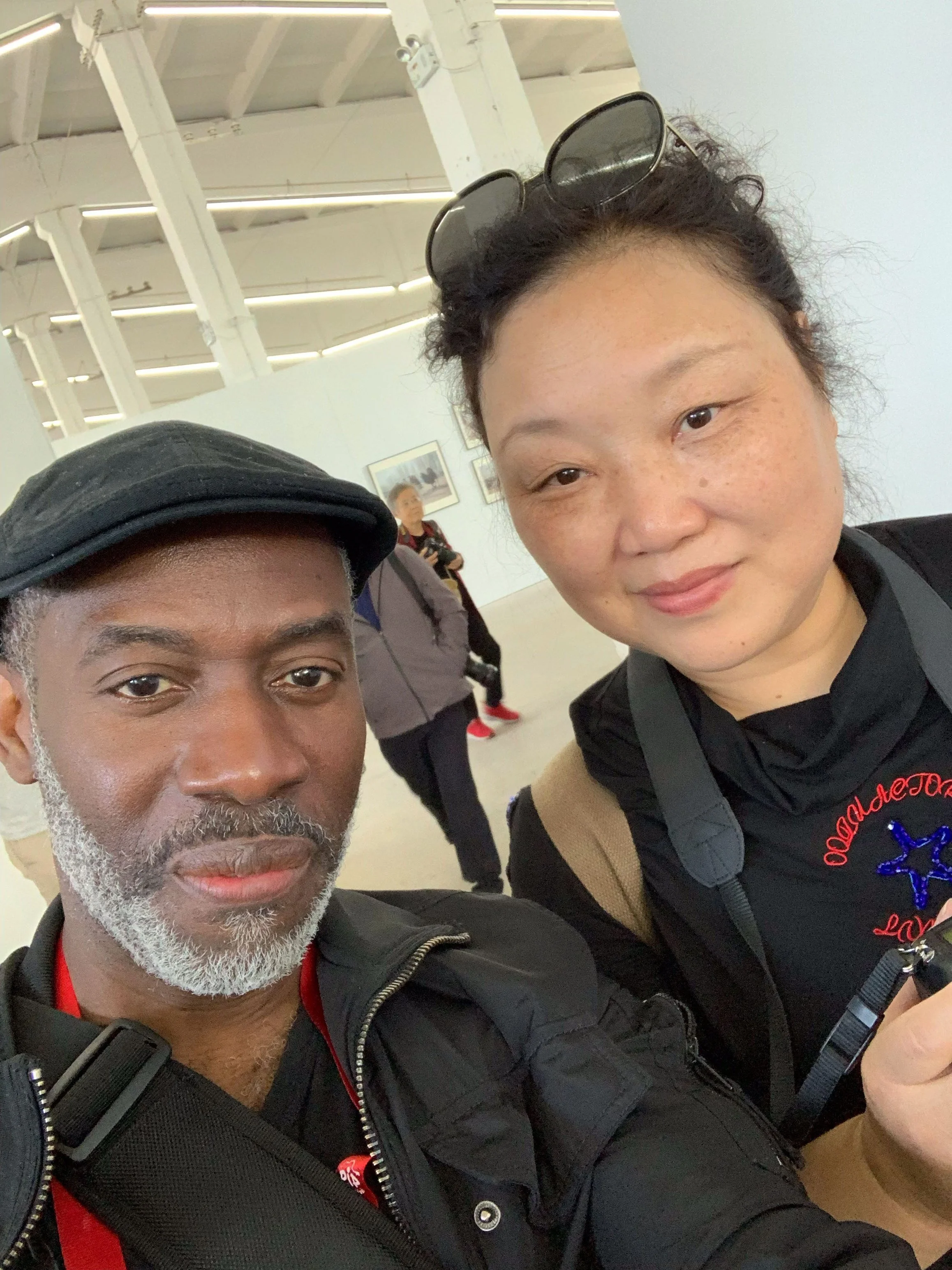
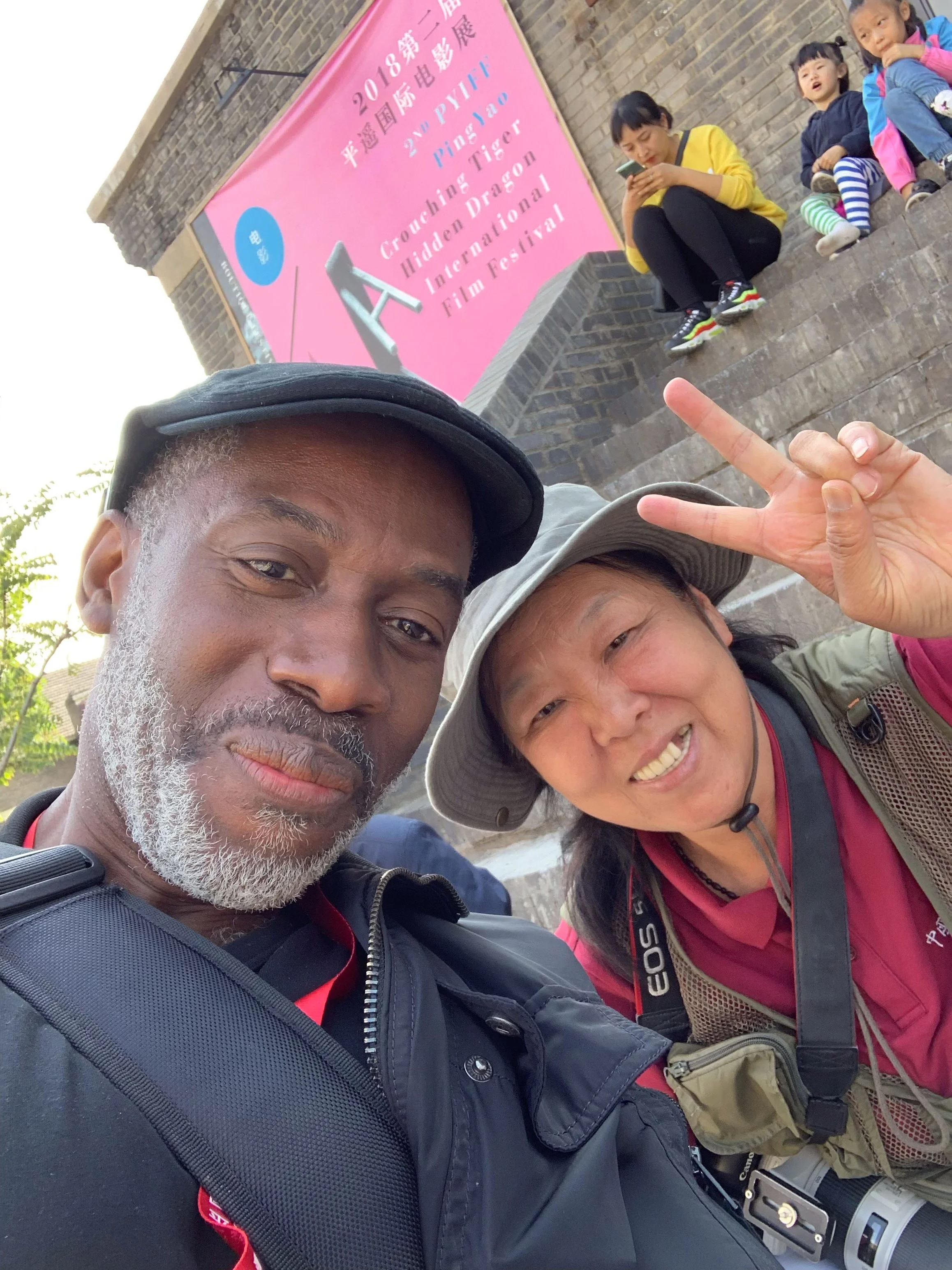
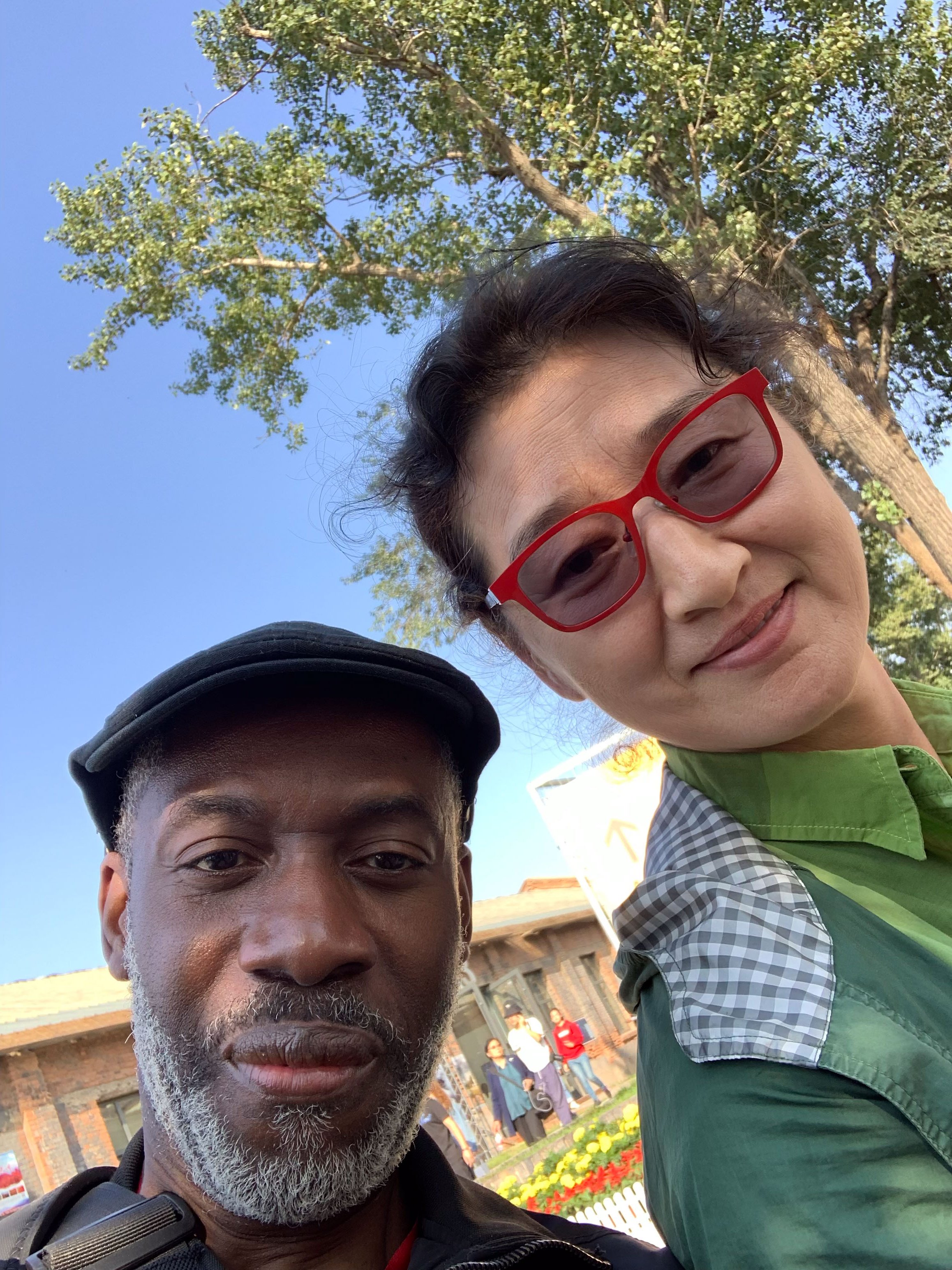
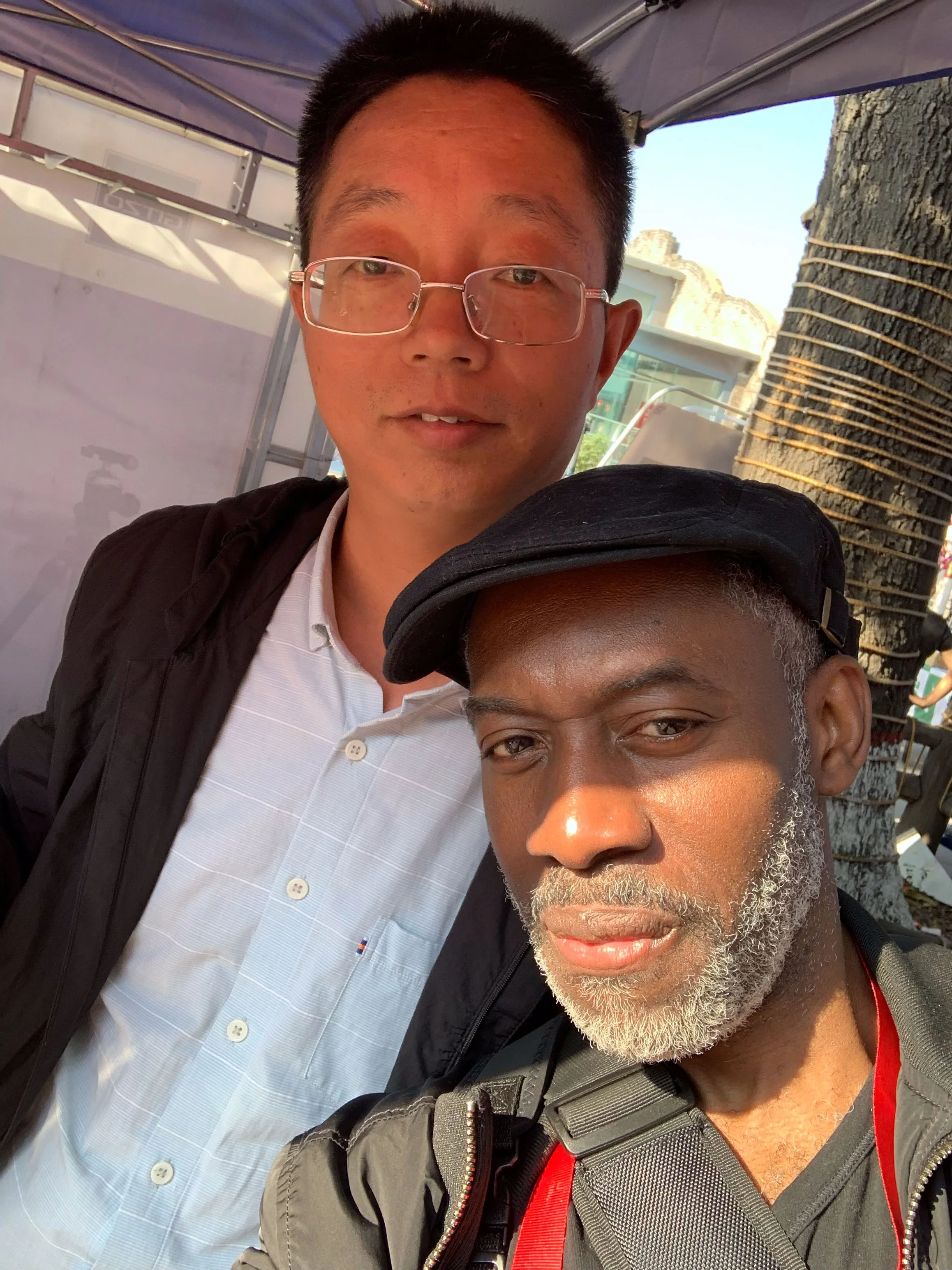
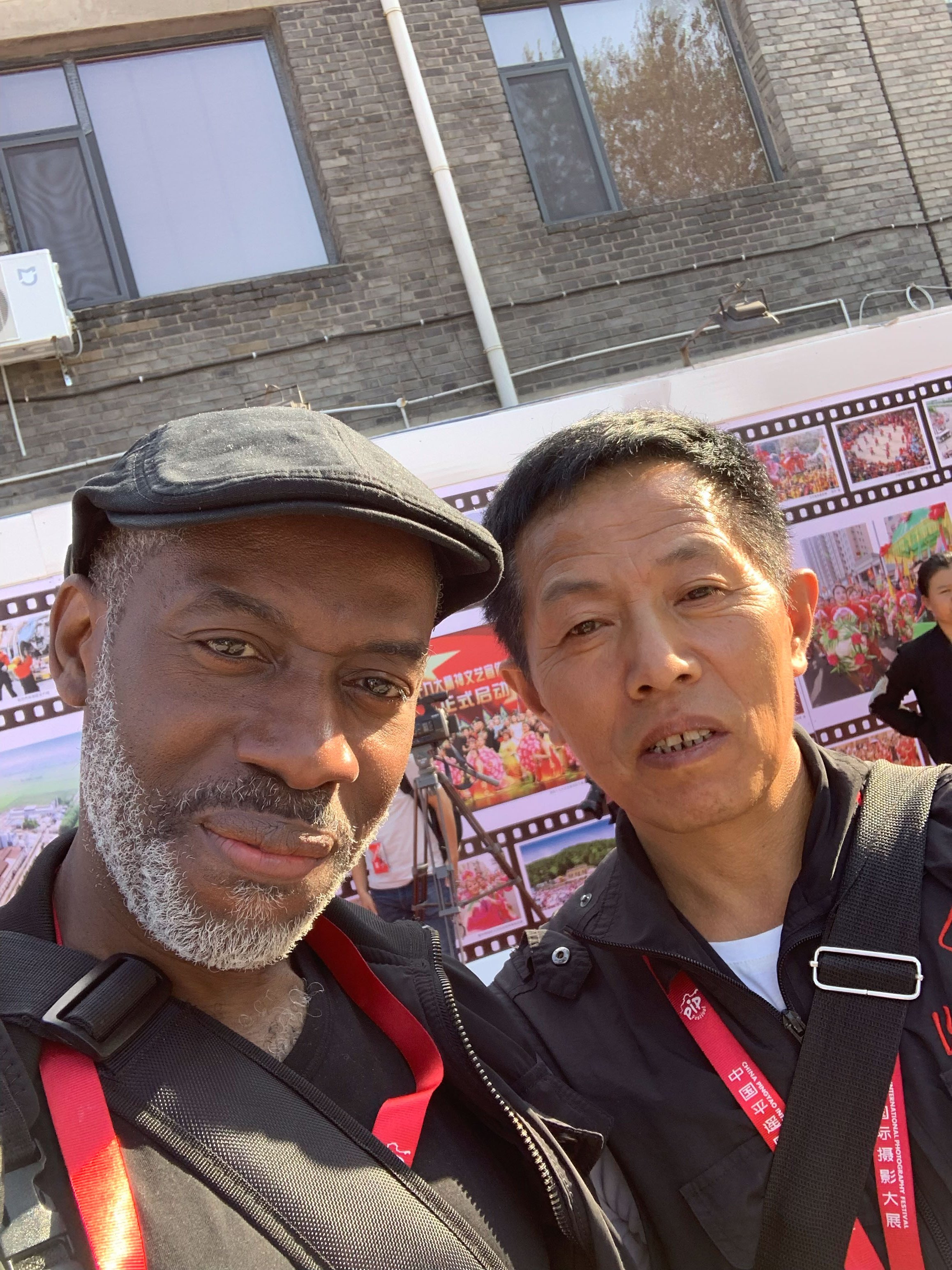
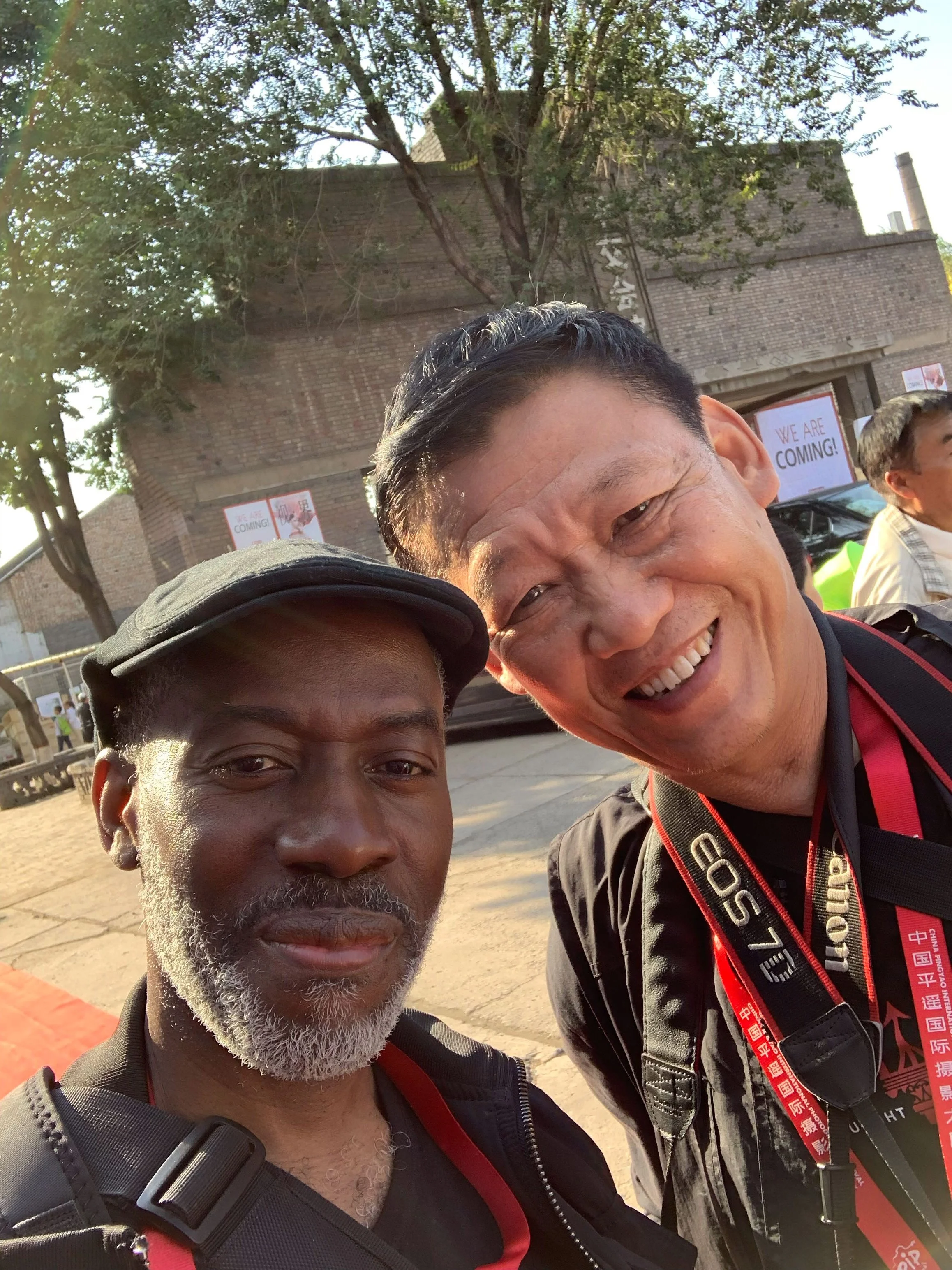
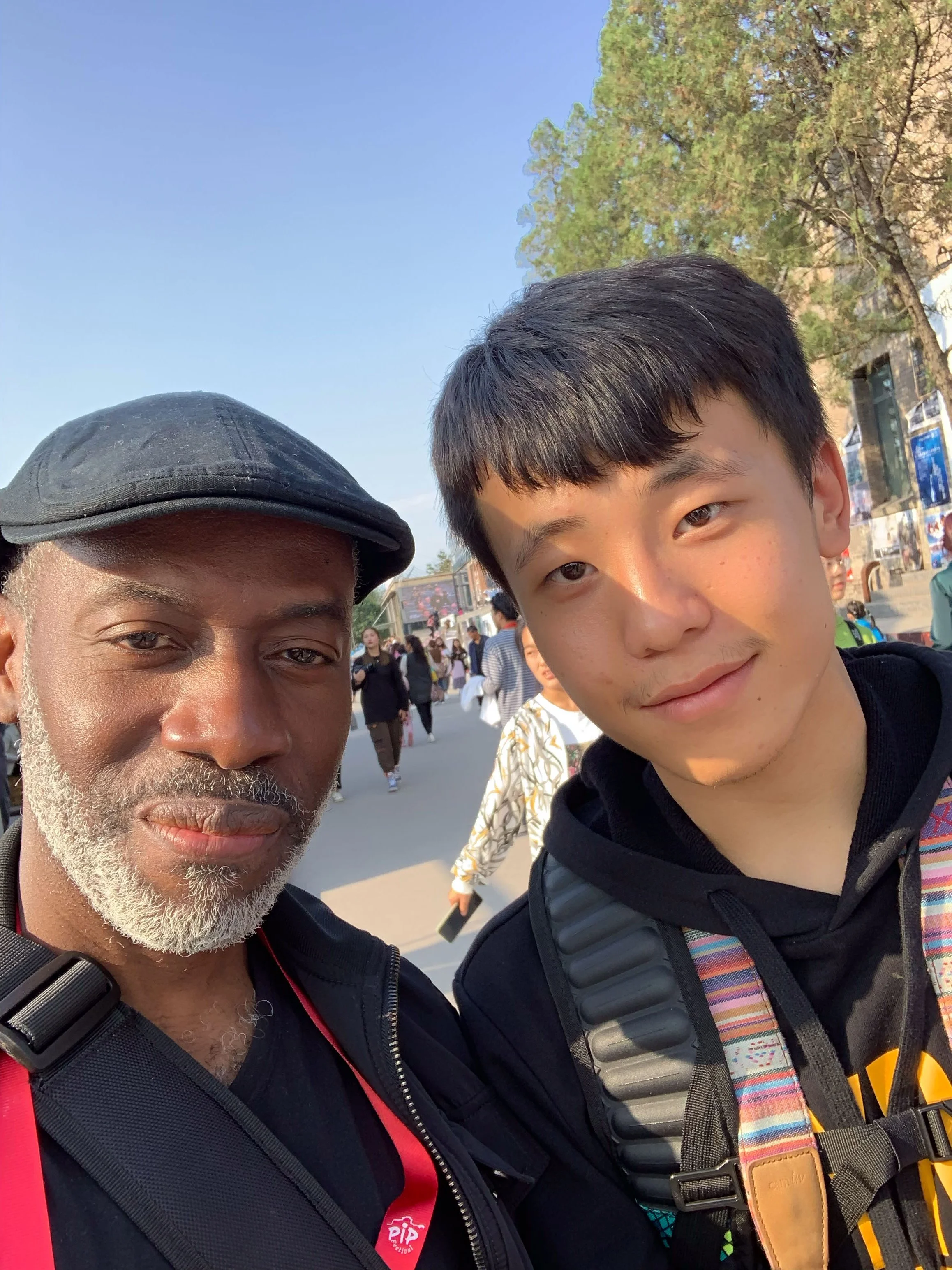
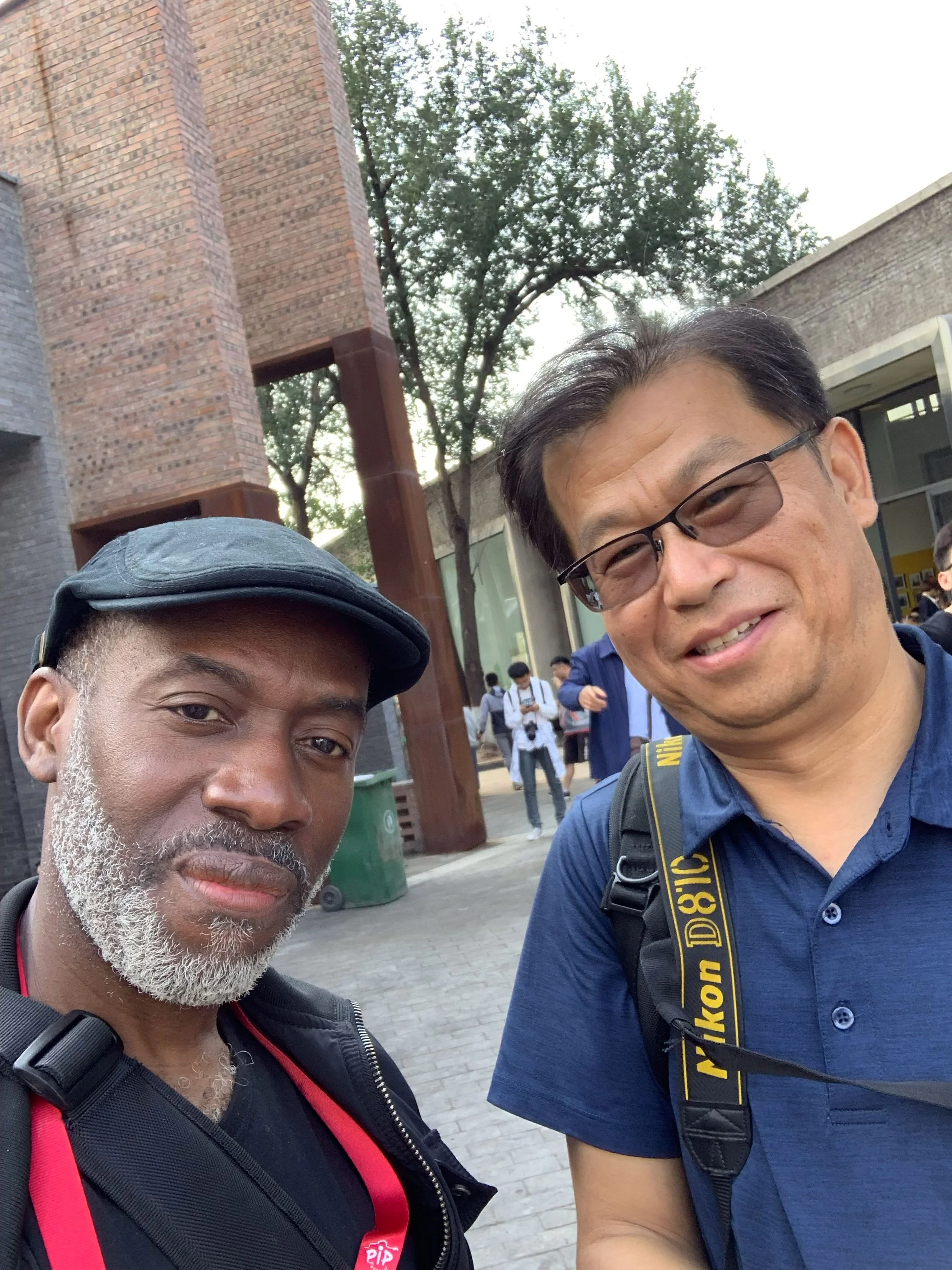
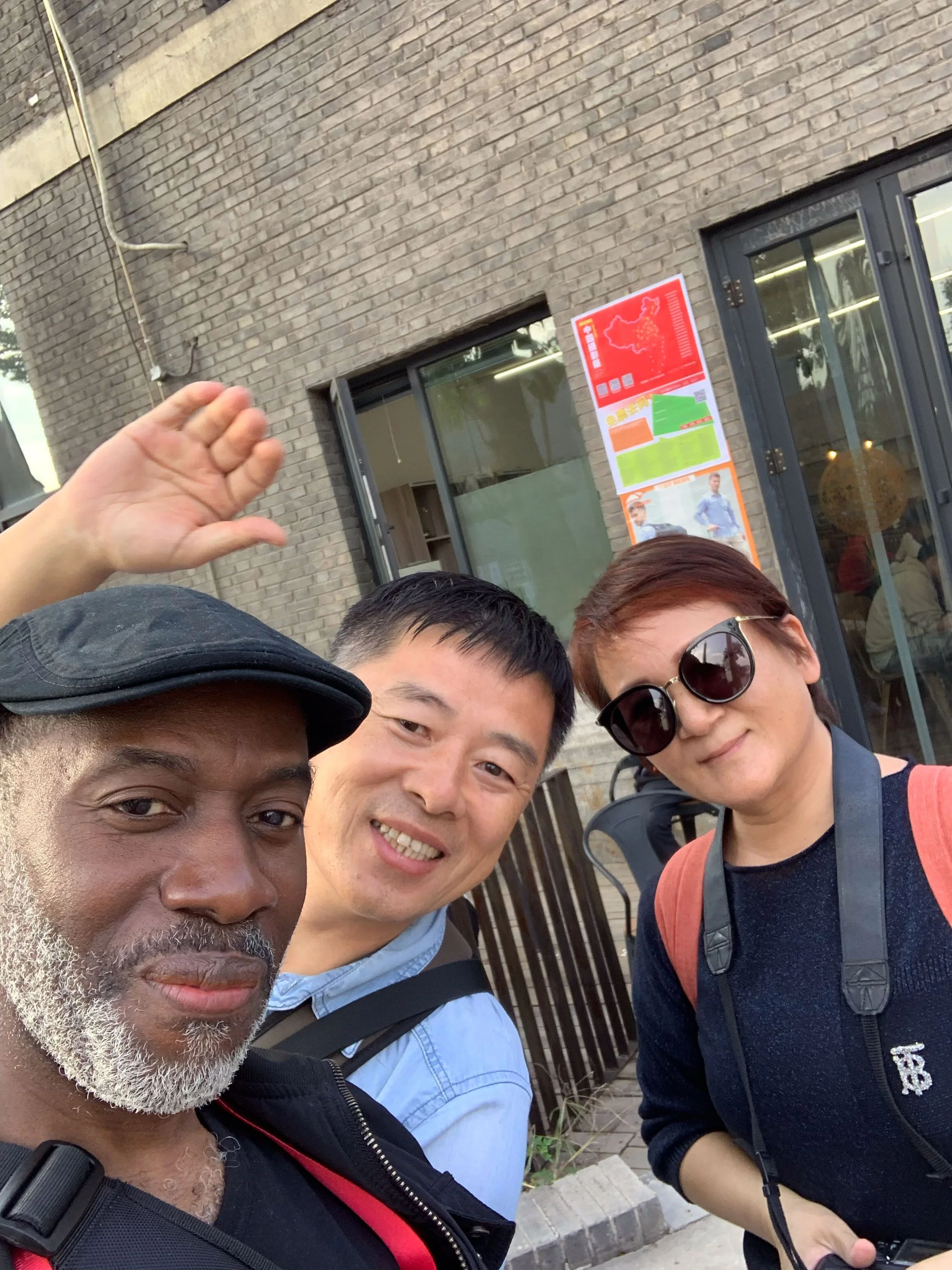
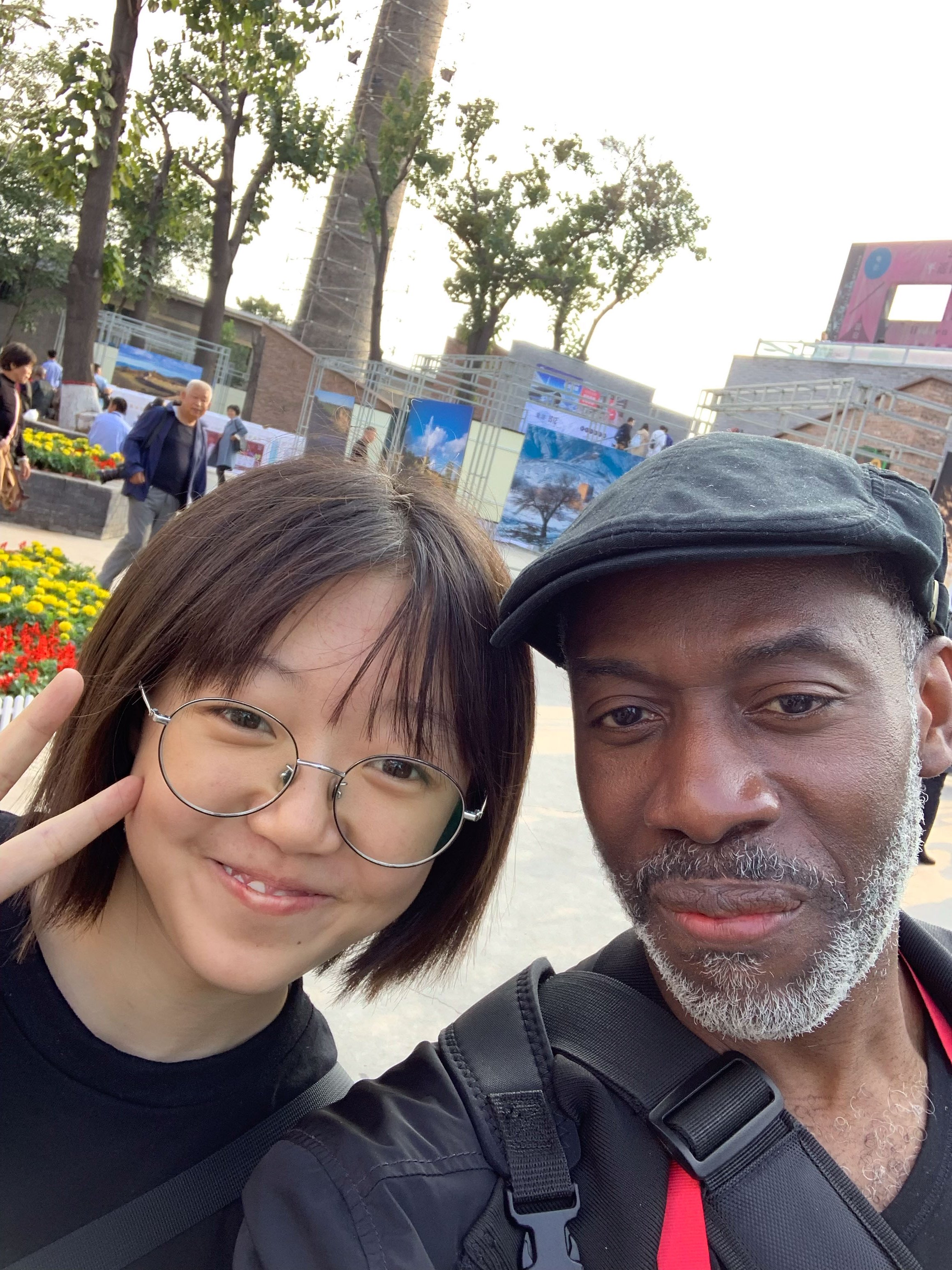
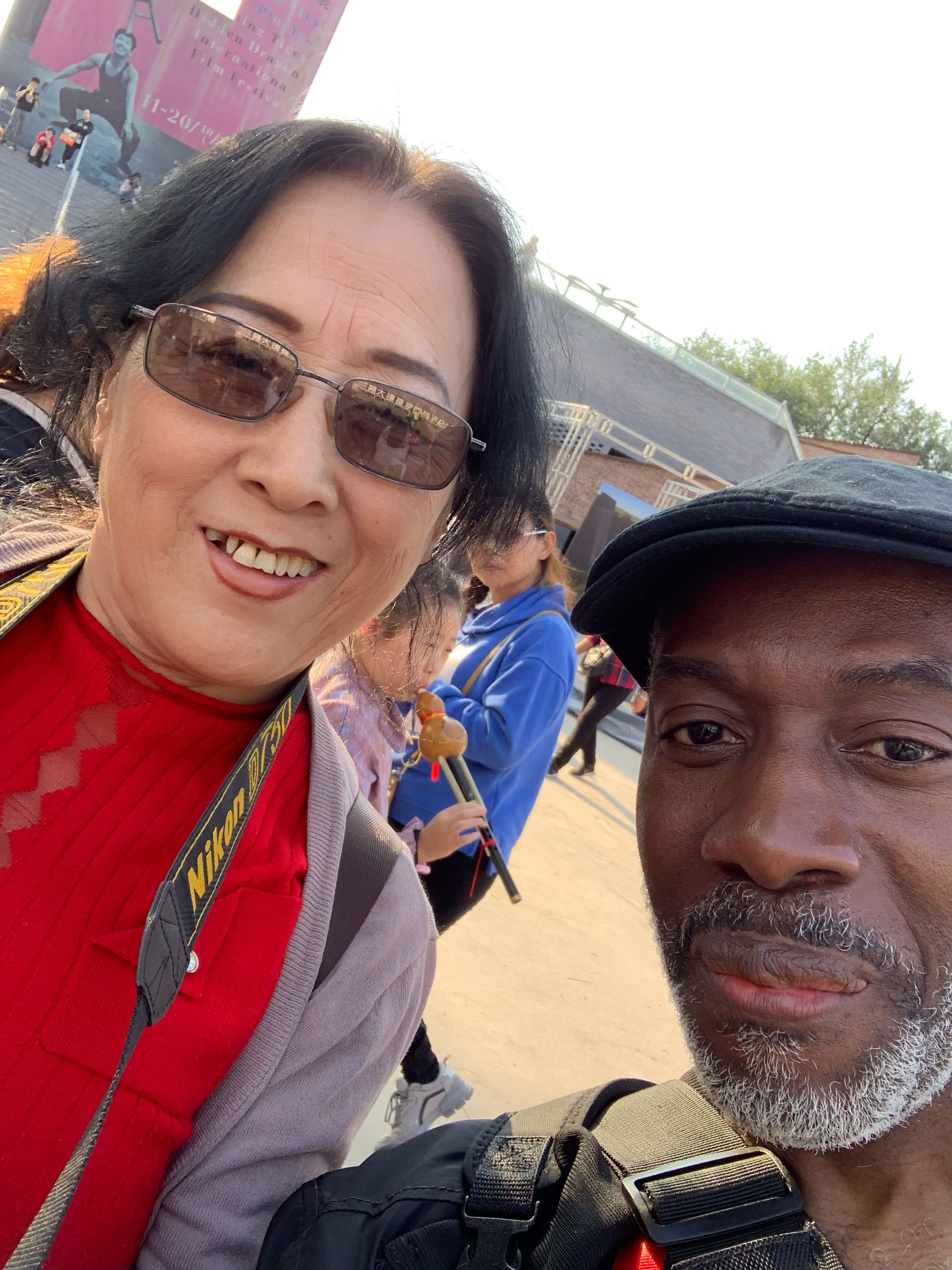
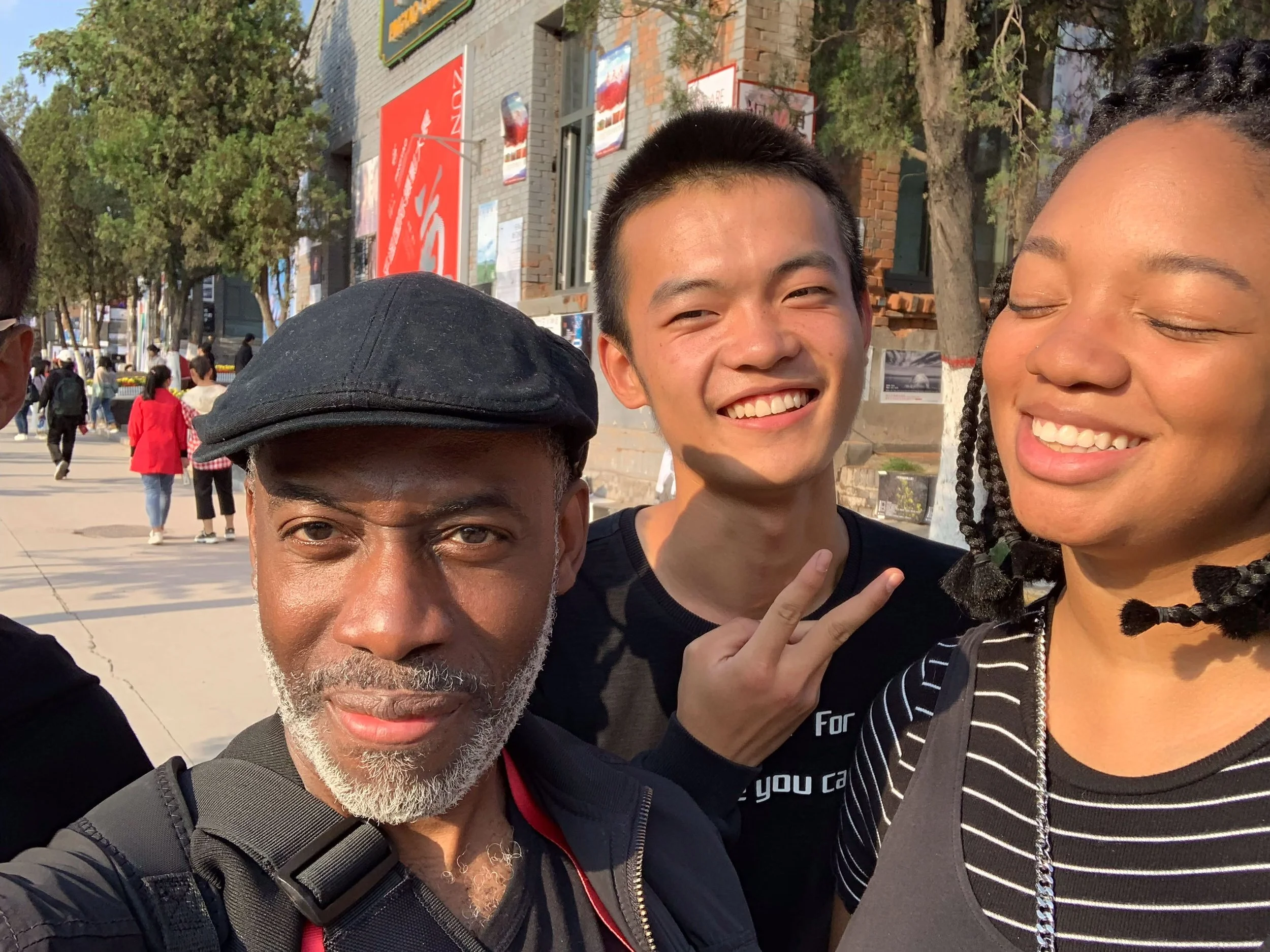
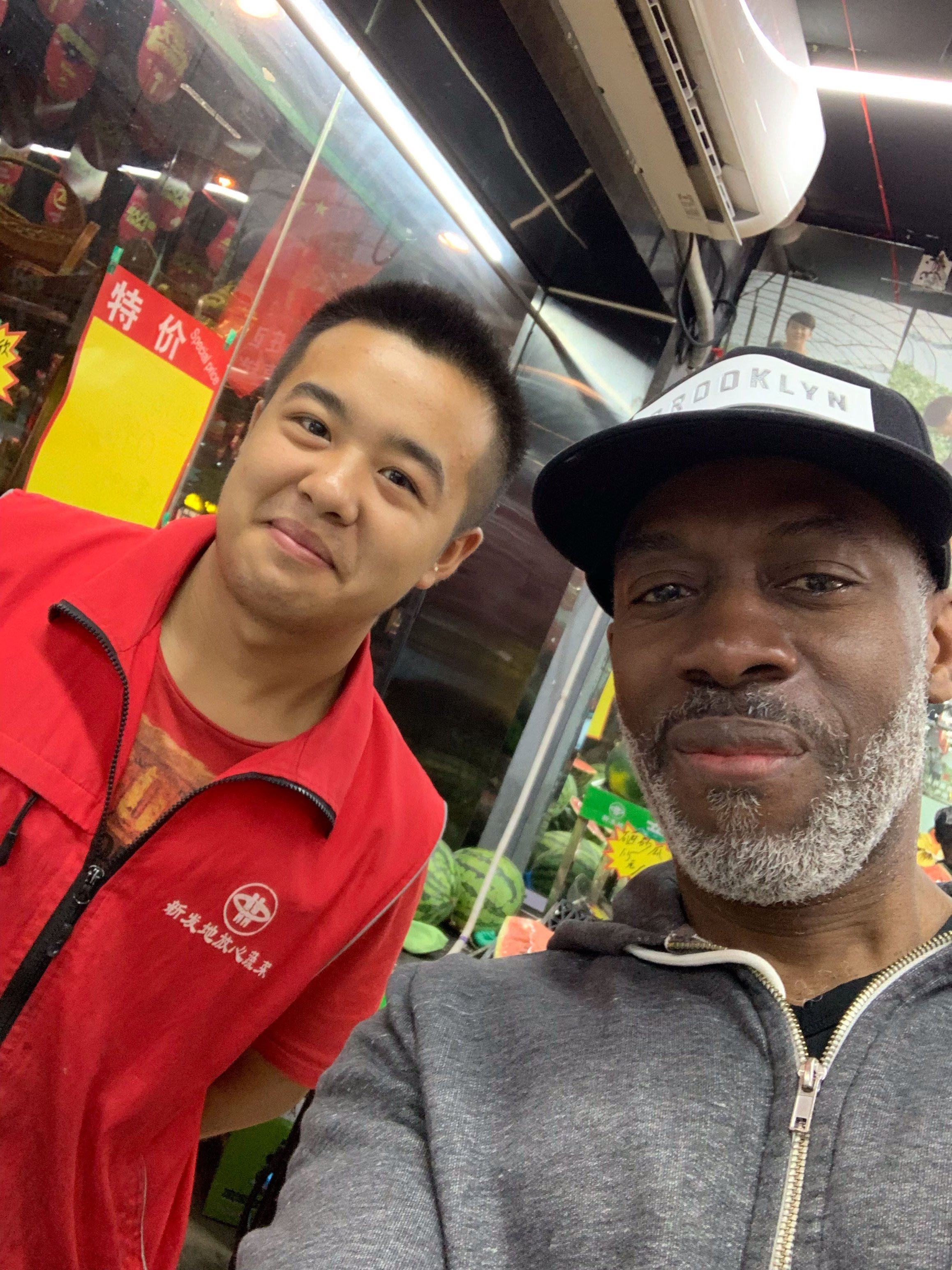
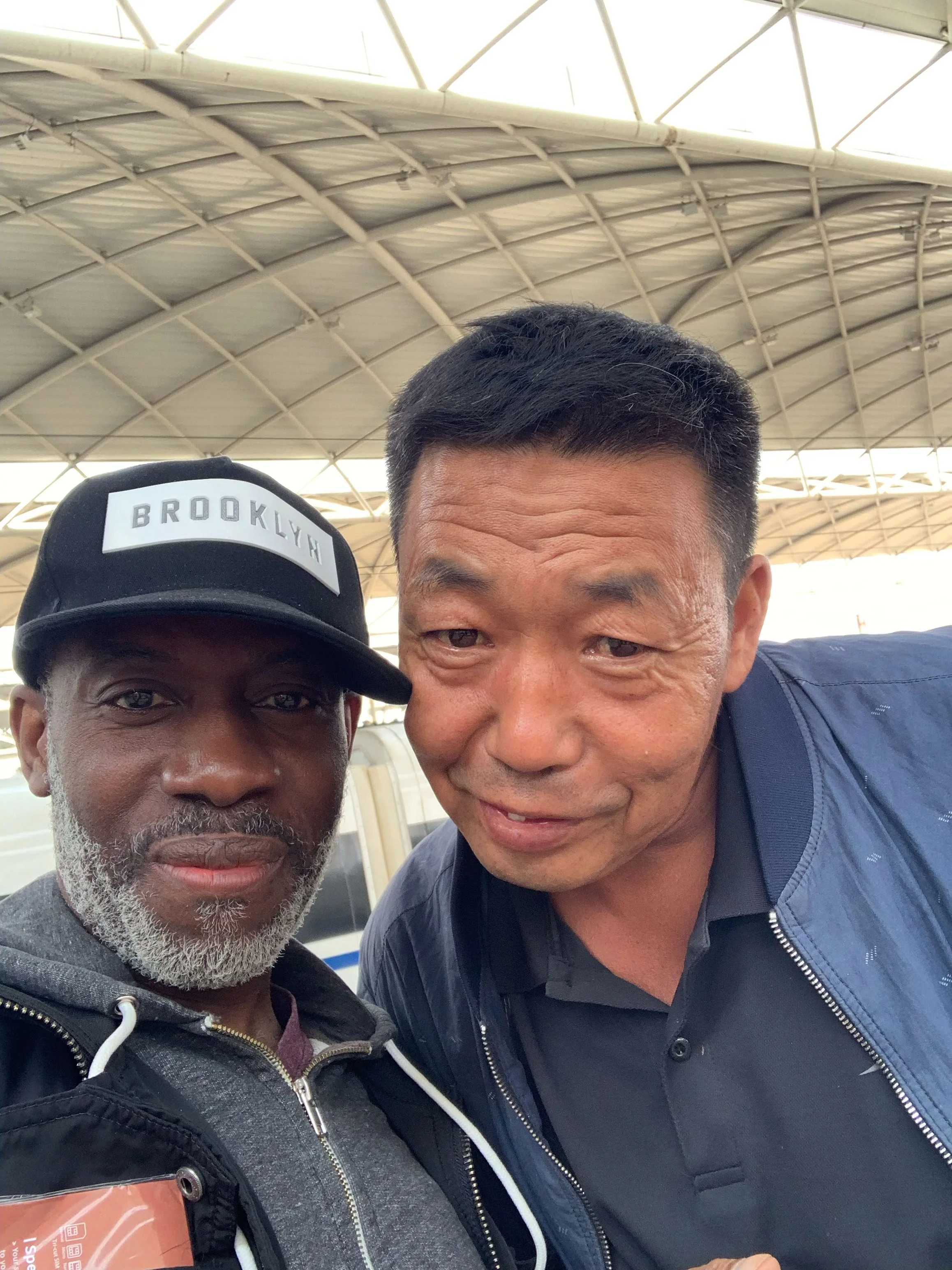
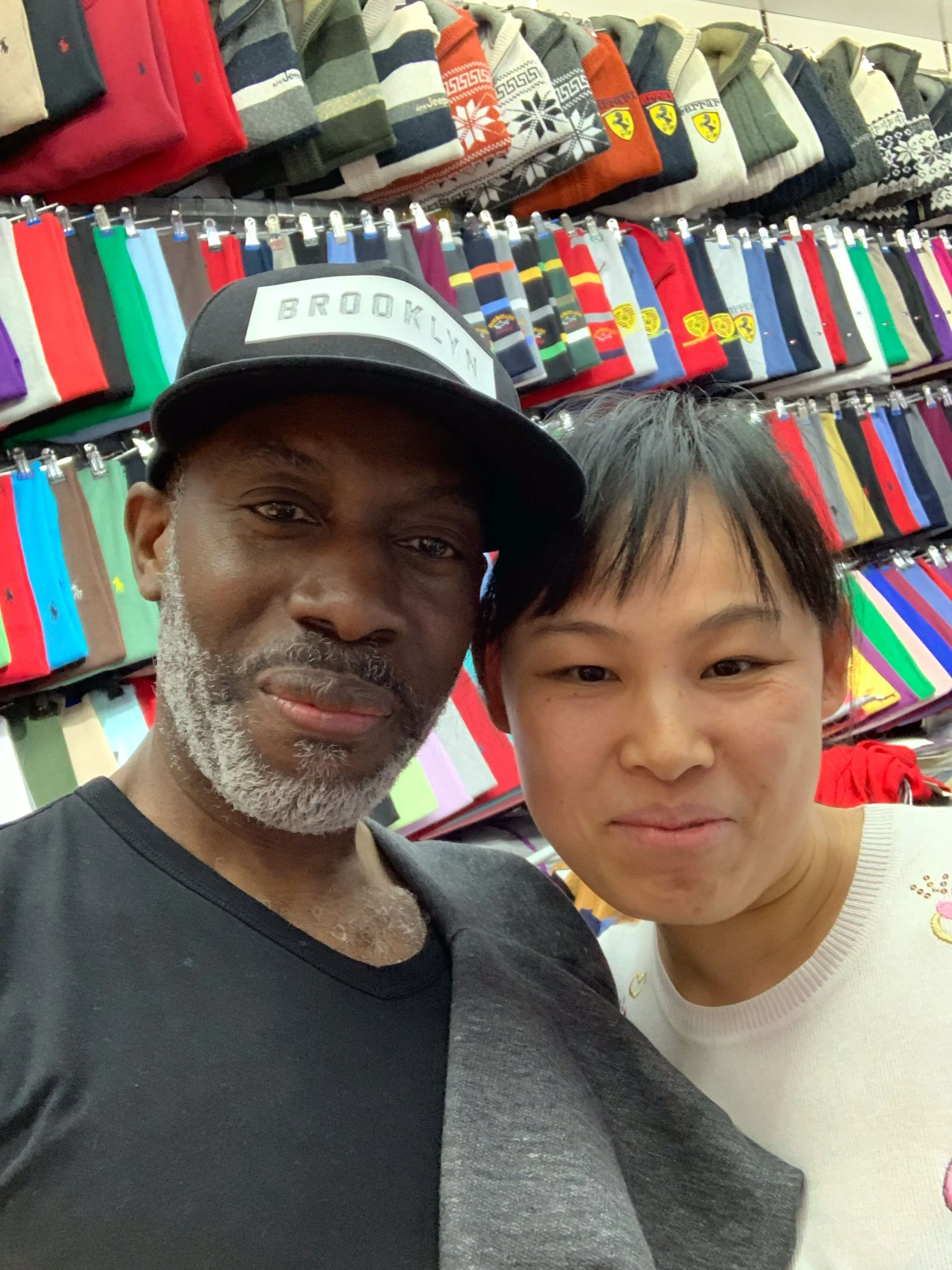
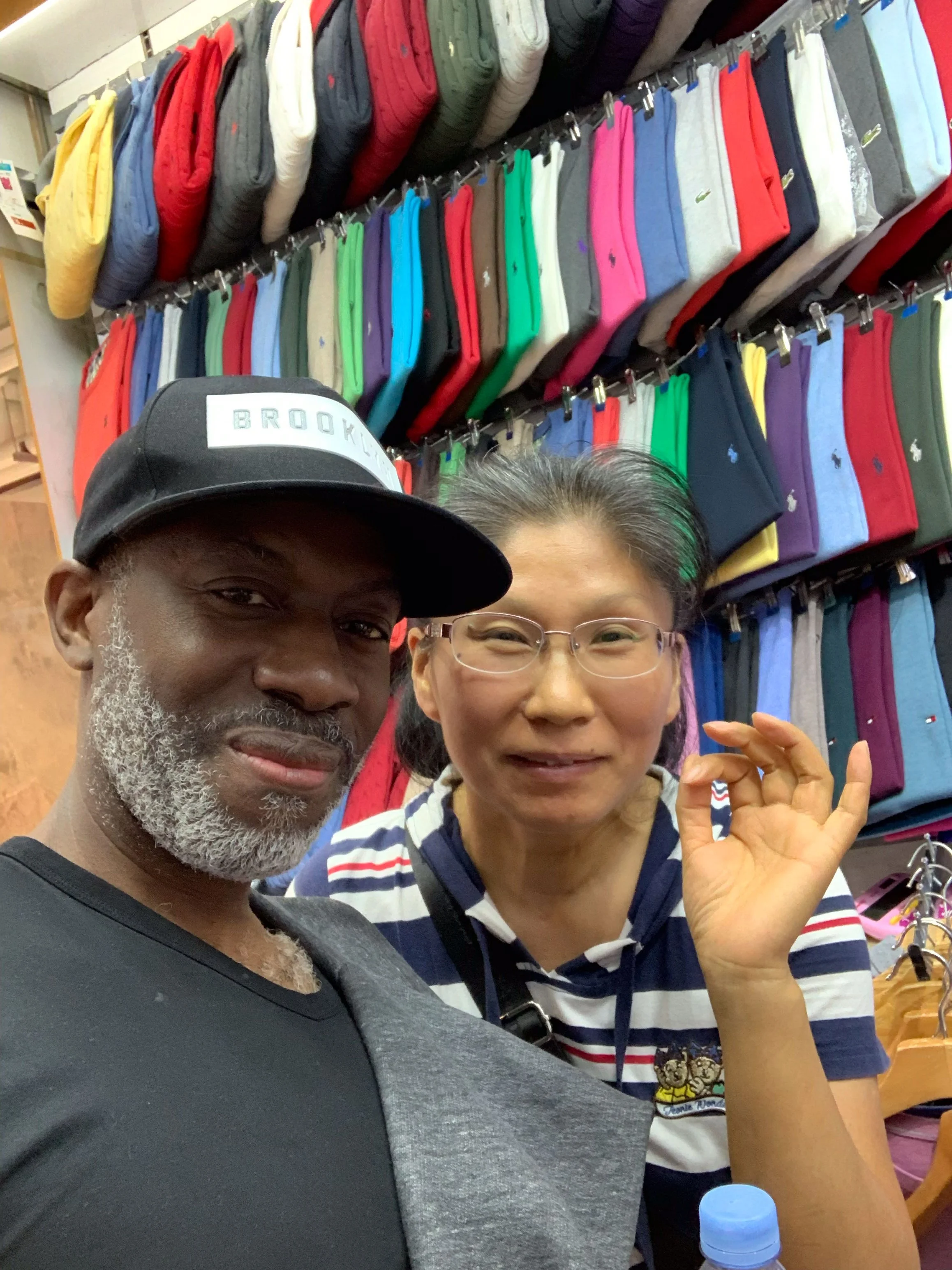
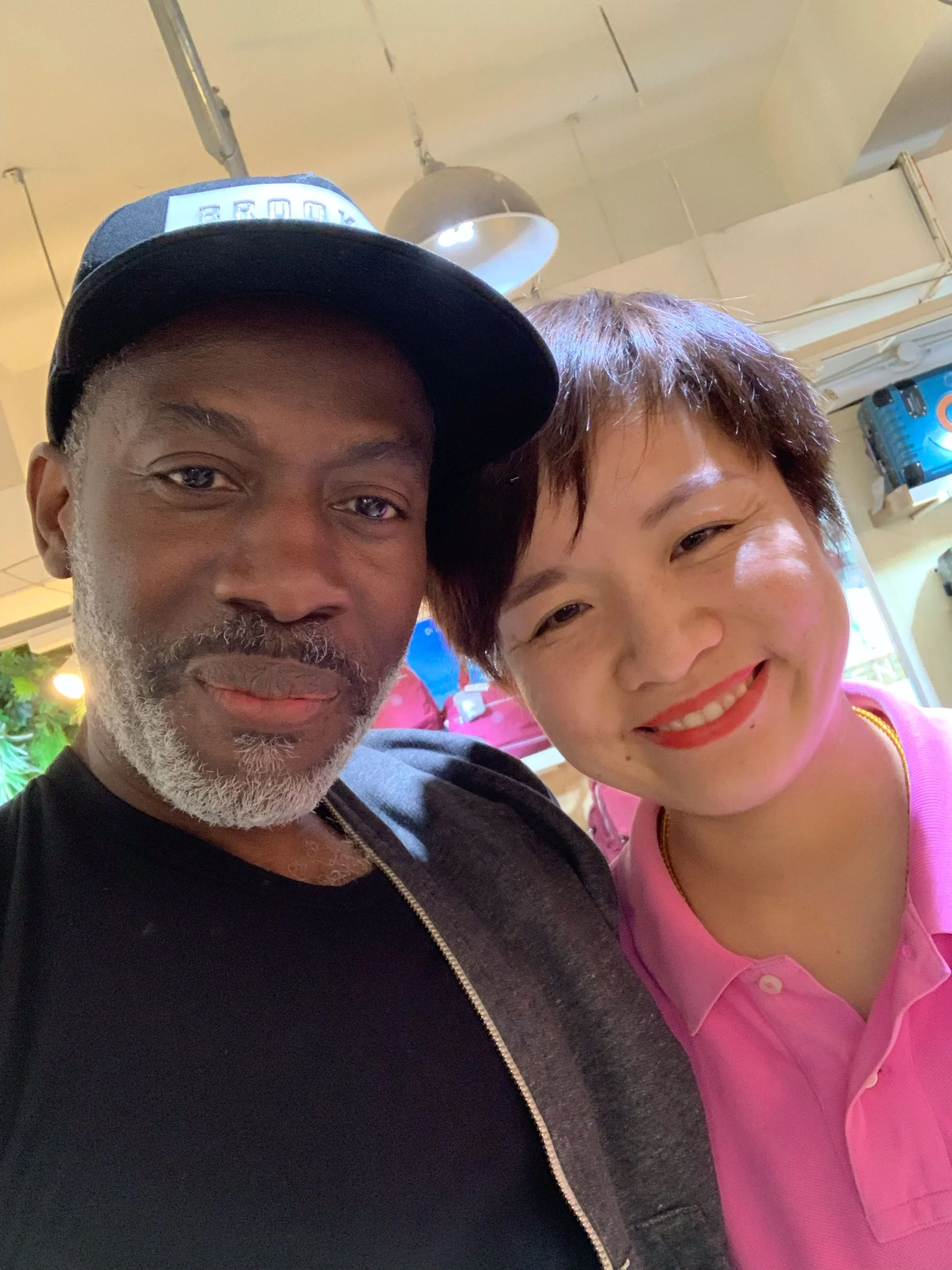
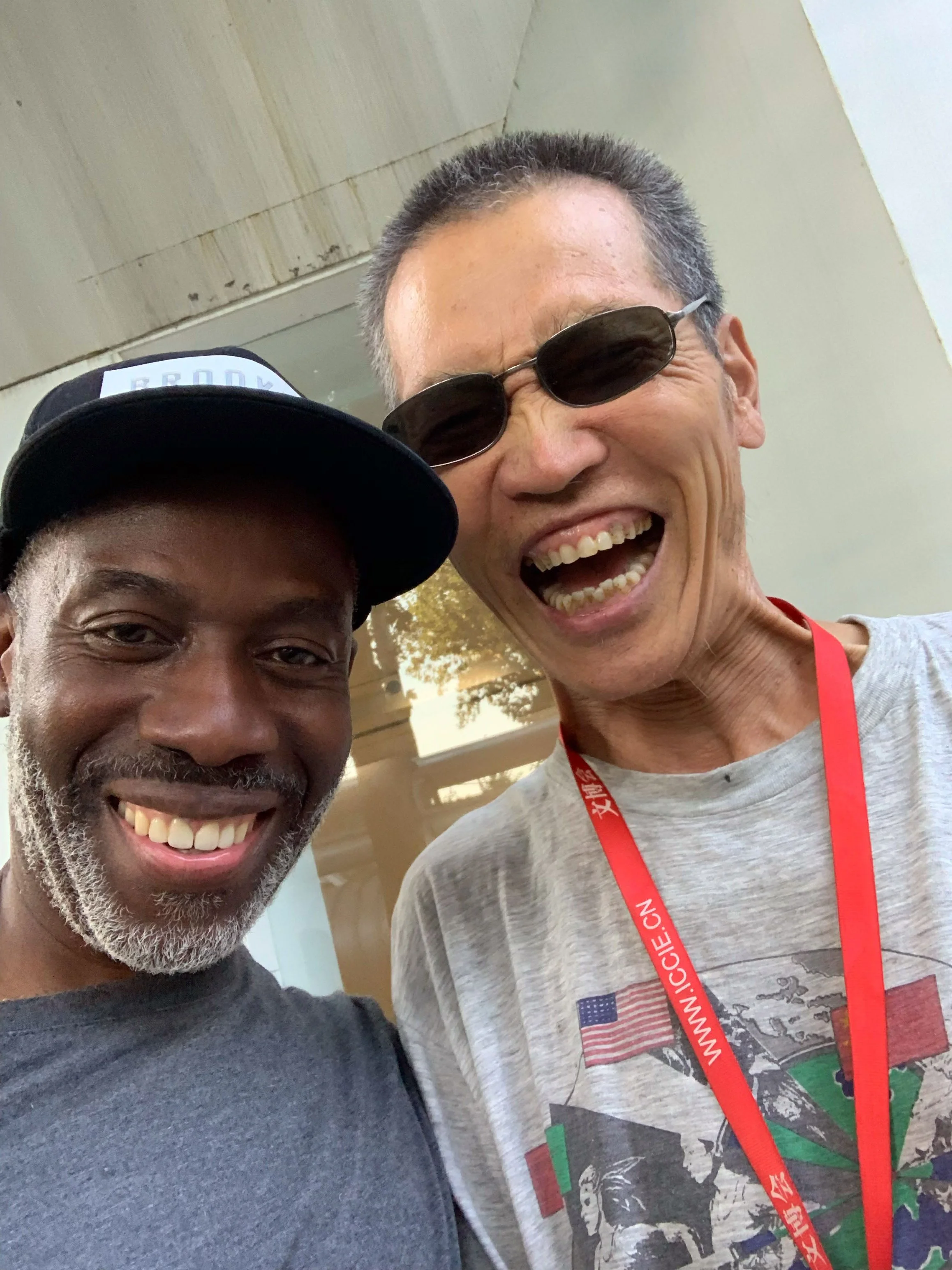
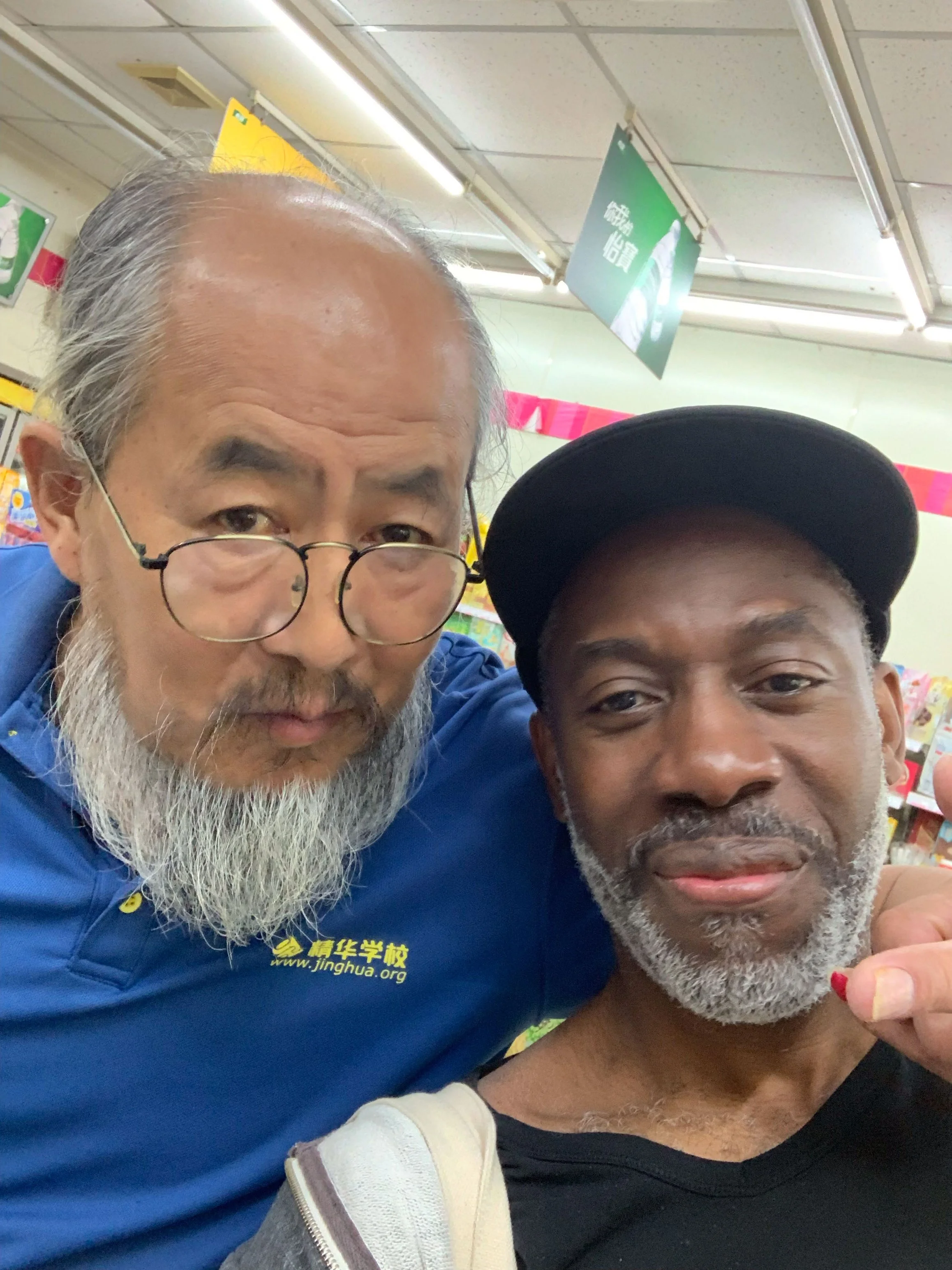
Rather than retreat from this visibility, I altered its structure. I began asking the photographers to step into the frame with me. If I were to be photographed, we would do so together. This small intervention transformed extraction into collaboration. The anonymous observer became a participant. The quick capture became shared authorship.
Their bodies softened. They laughed. The distance between us collapsed. I felt my own face change in response. What began as curiosity shifted into warmth. The image moved from spectacle to presence. From documentation of difference to evidence of encounter.
In these moments, the Black male body, often scripted globally as threat, fetish, or myth, became a site of relational exchange. The work does not accuse the gaze. It reorganizes it. It asks what happens when visibility is mutual. What happens when the one who is looked at looks back and invites the other inside the frame?
China: The Act of Looking in a Culture of Looking examines not only who is seeing, but also how seeing is structured and what becomes possible when the gaze is shared.