

No Space Know Space
“The Black male figure is my site of refusal and, at the same time, a physical and metaphysical refuge for the Black male heart, mind, spirit, and psyche. It is my way back to what was never lost.”
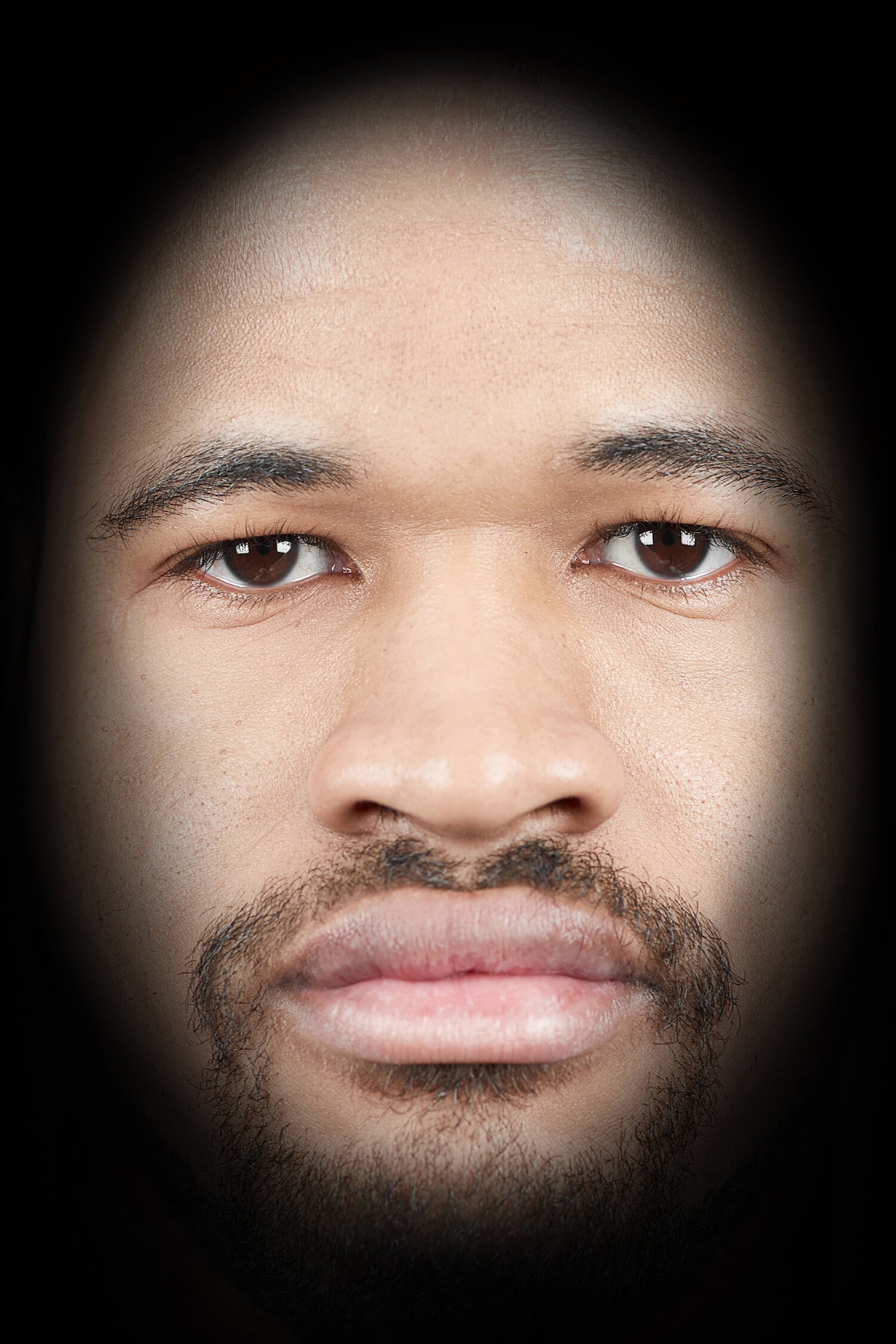
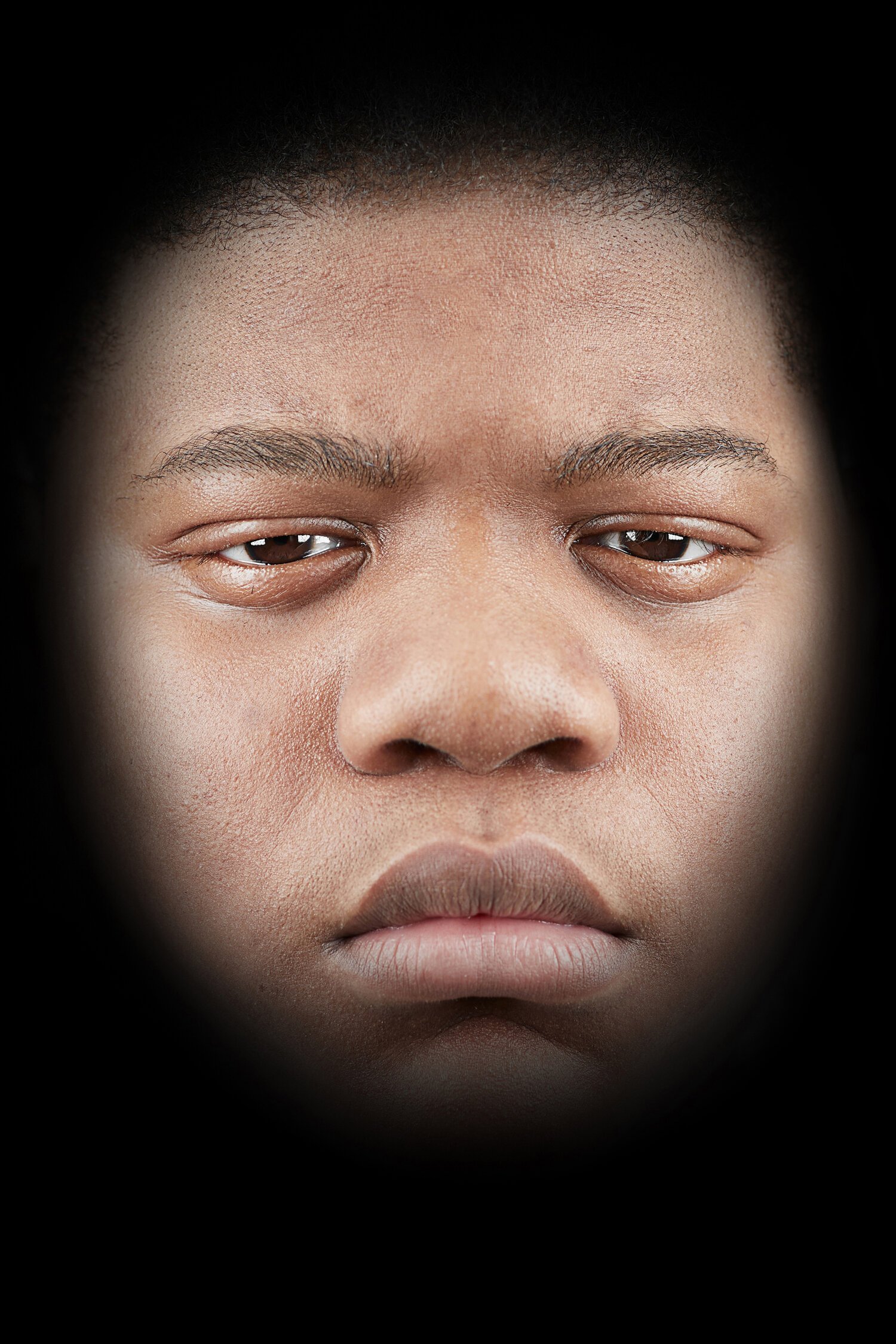
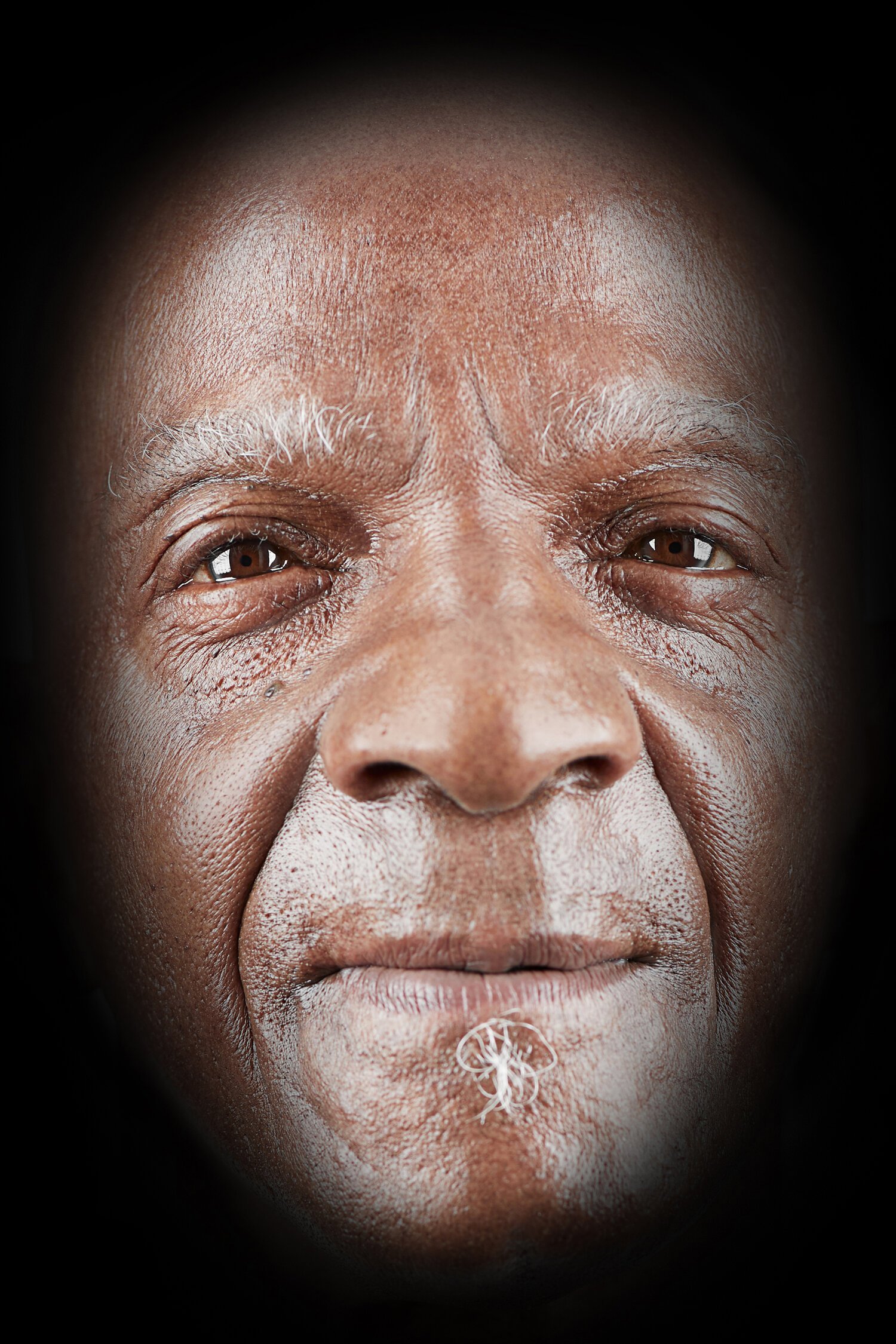
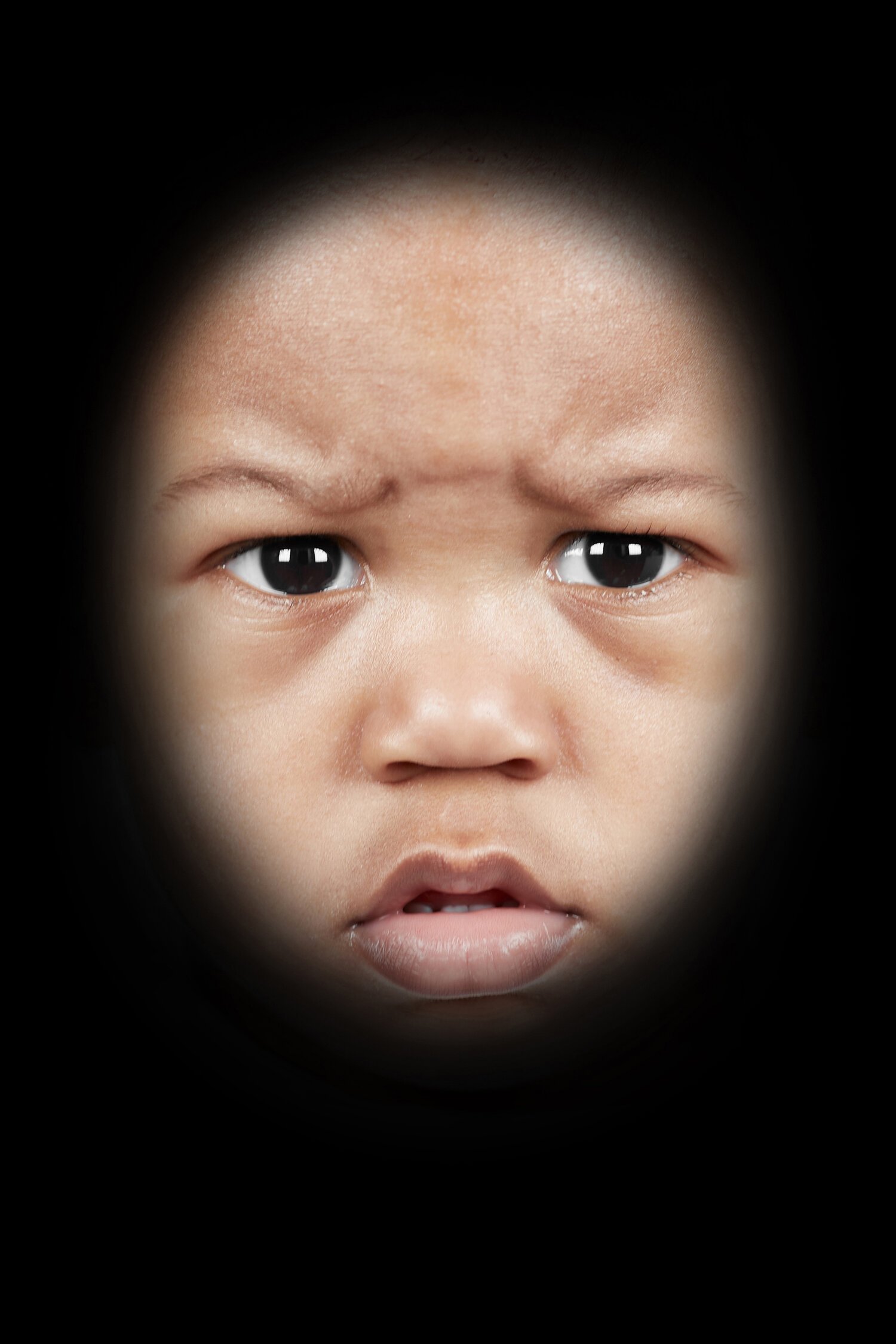
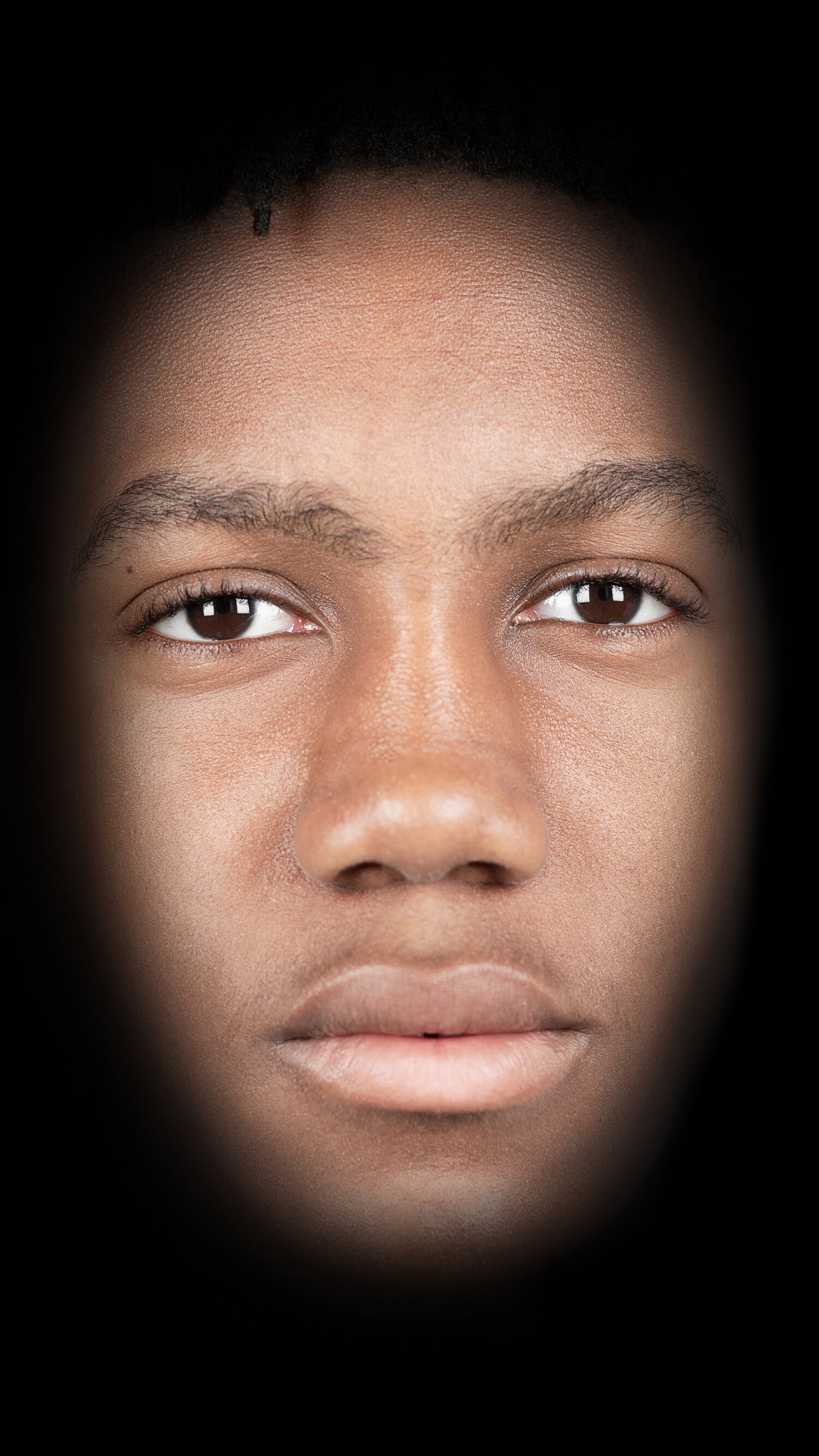
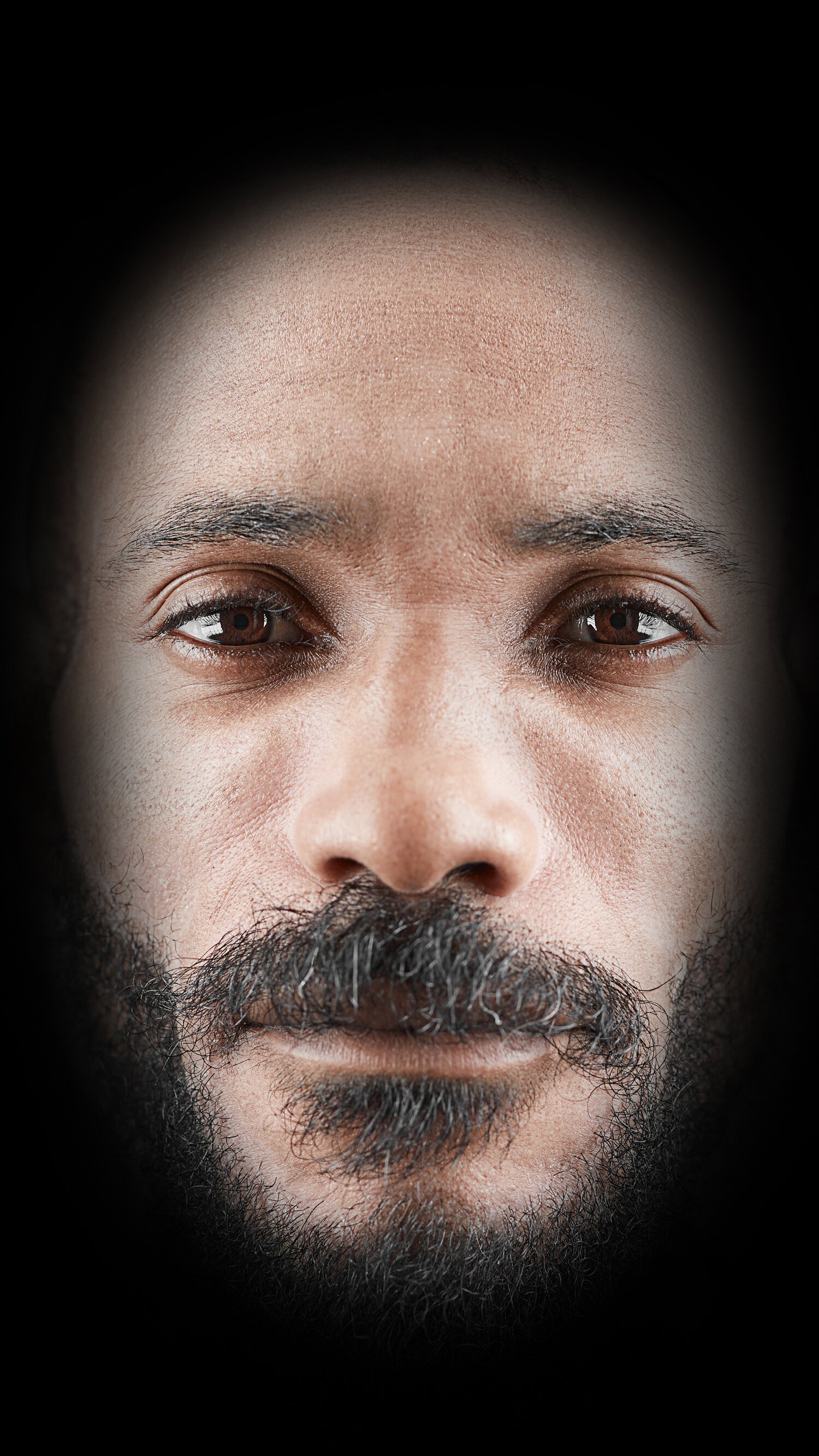
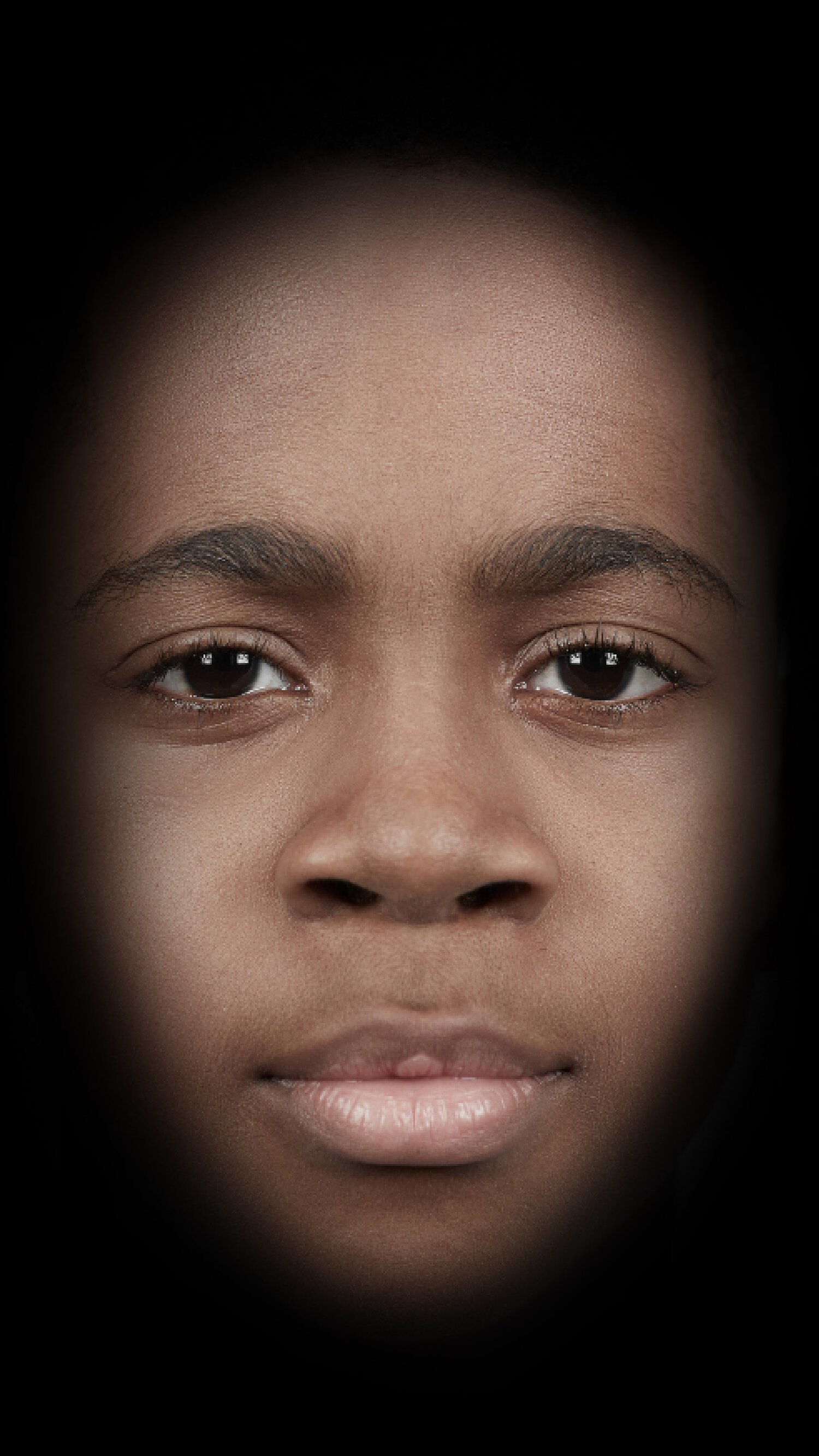
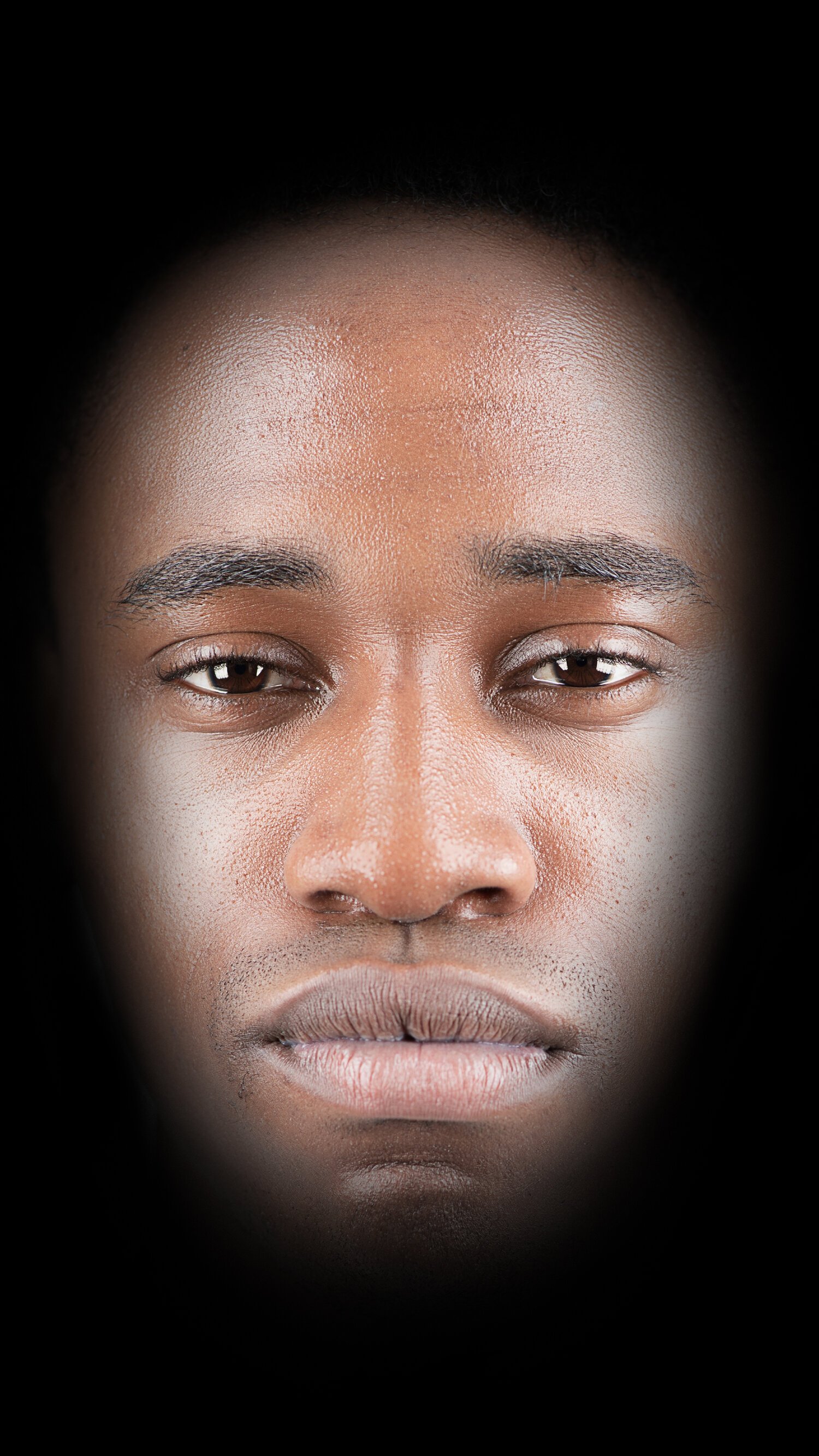
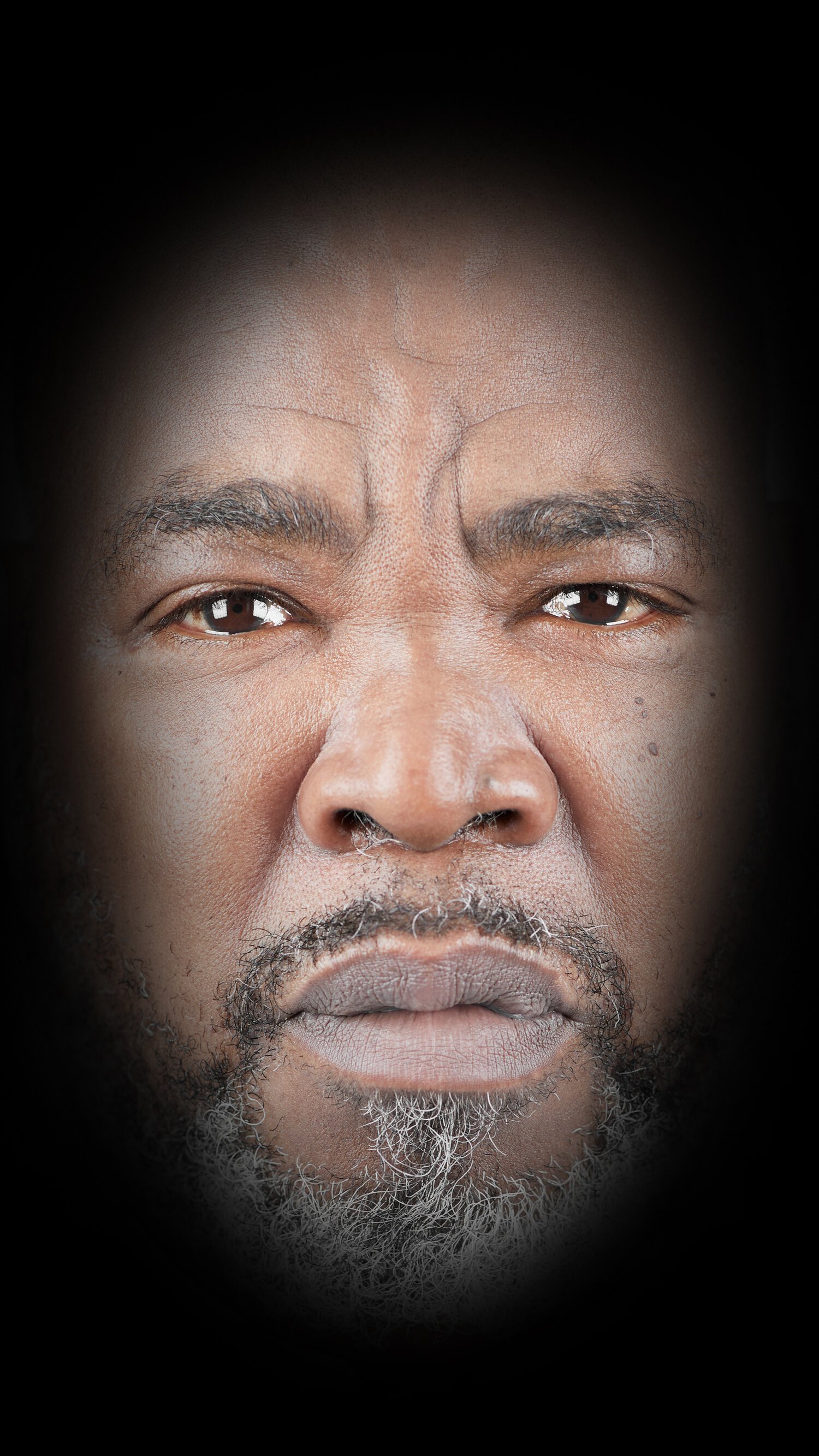
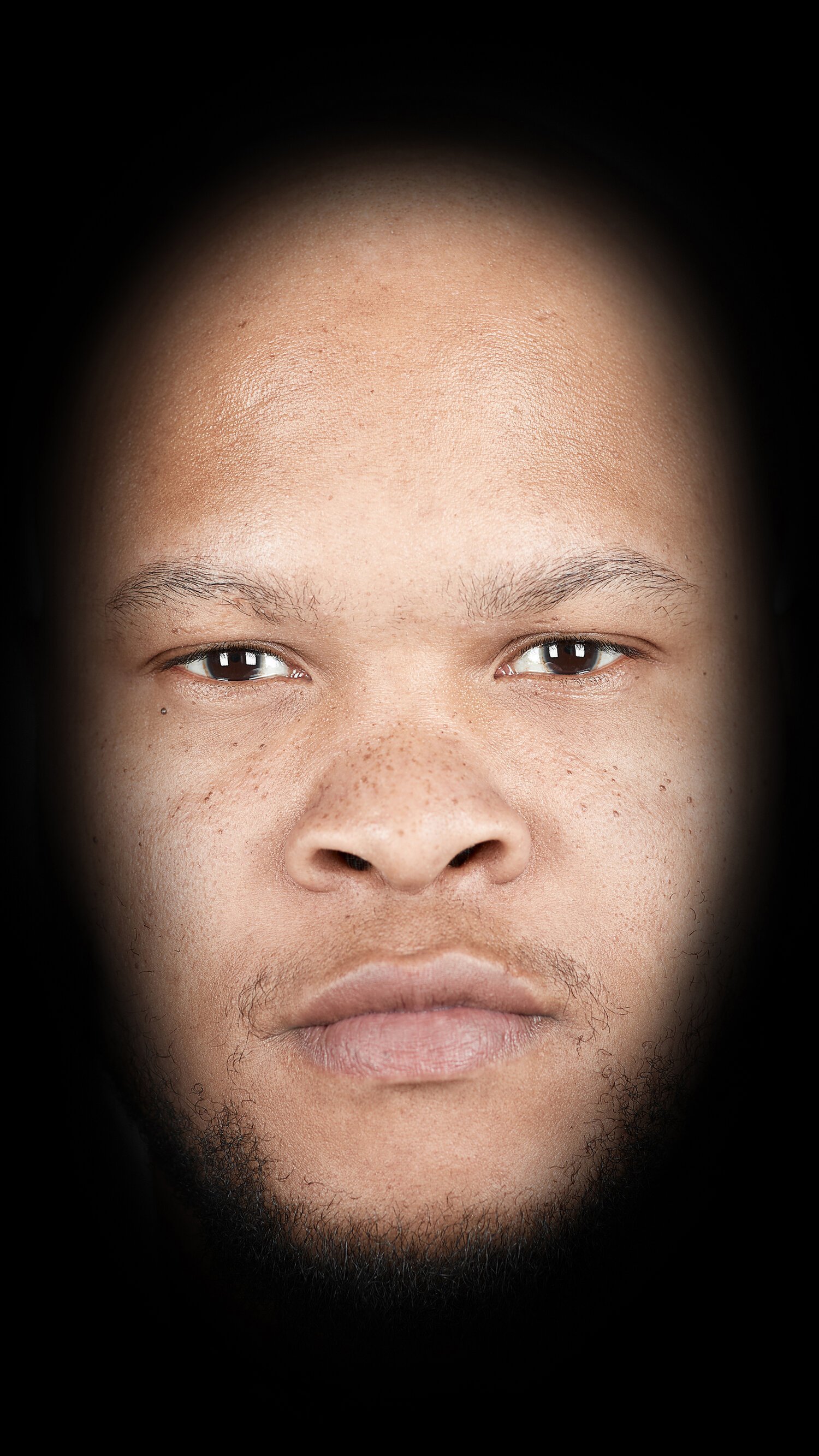
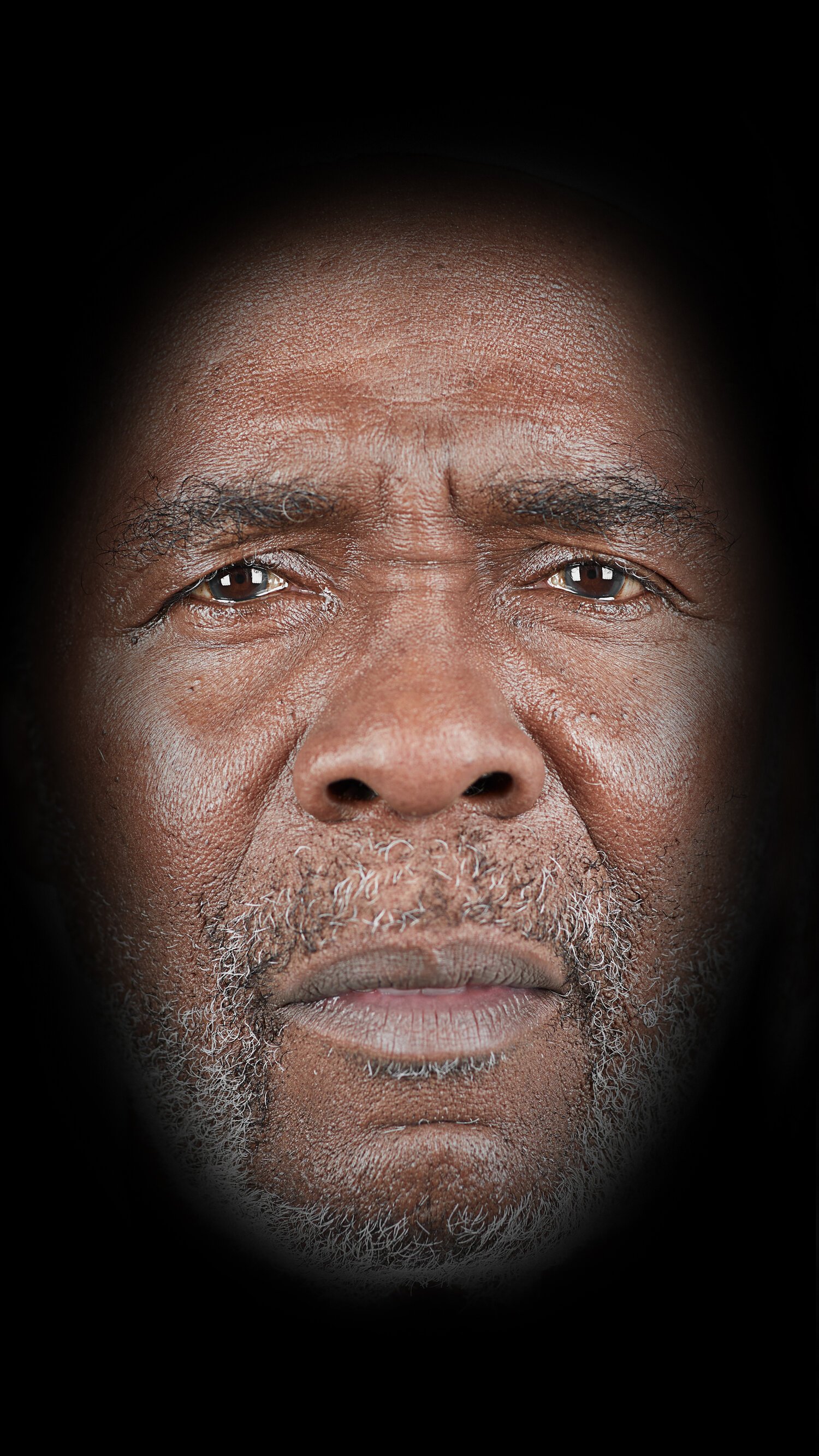
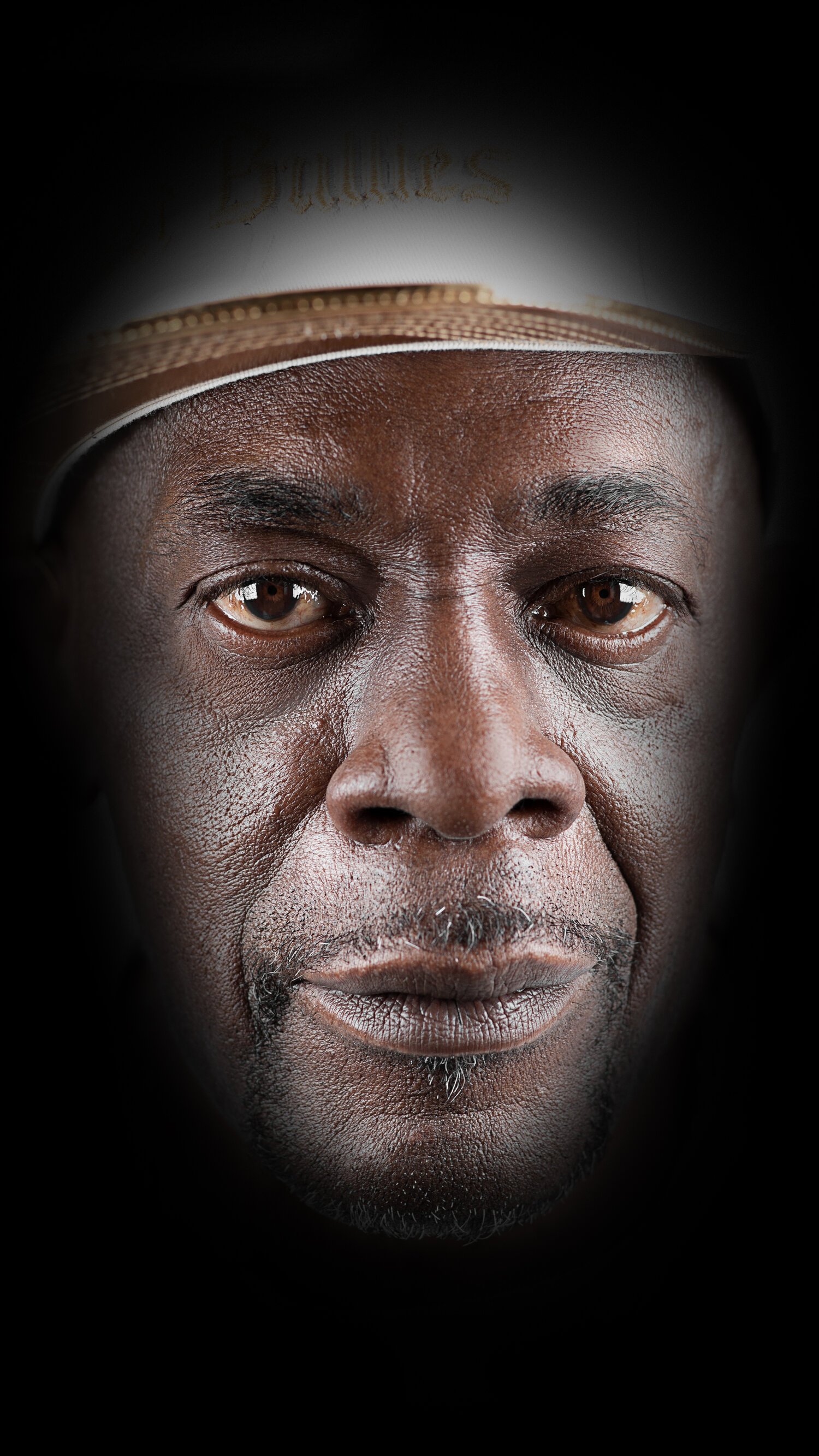
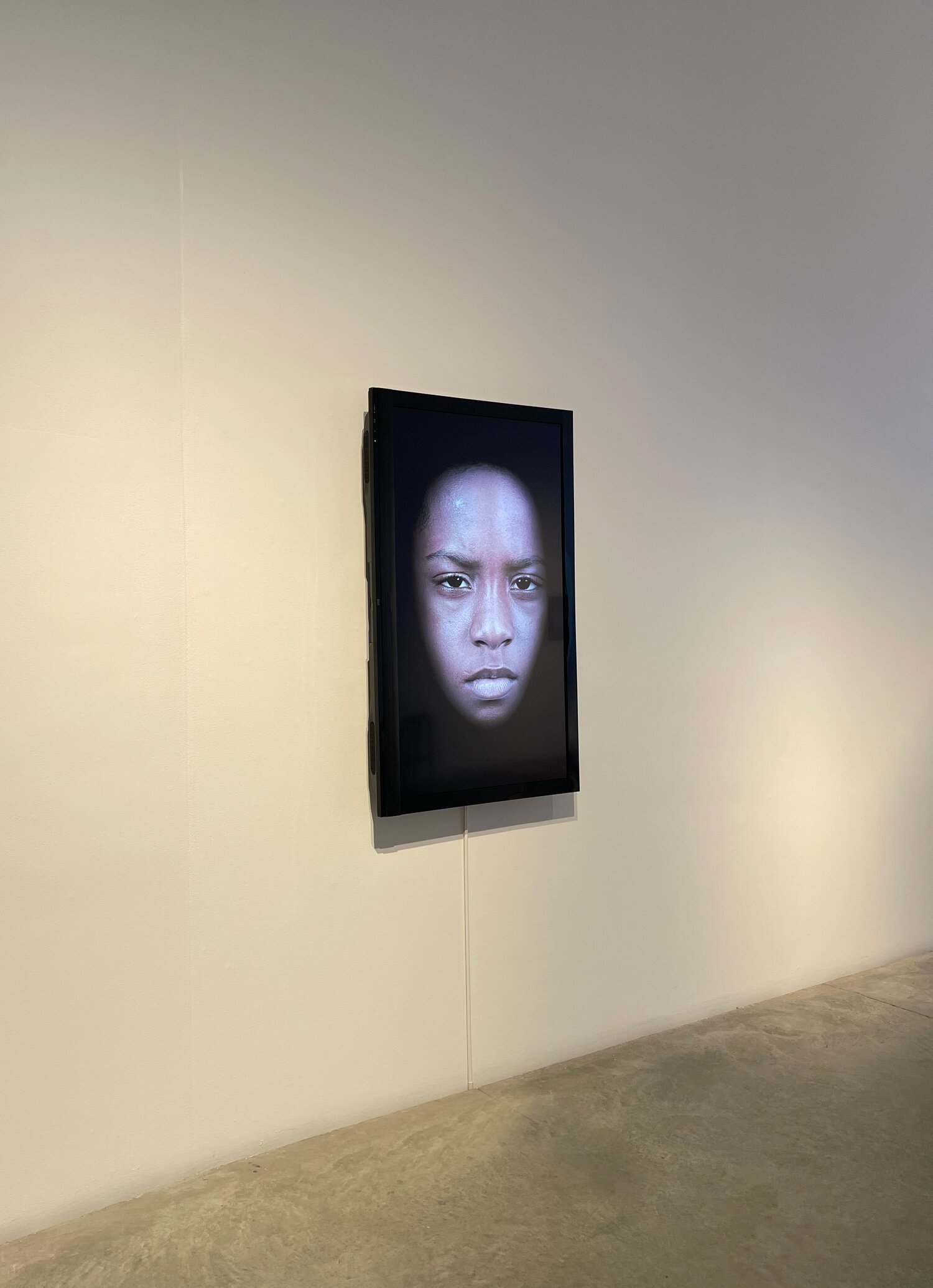
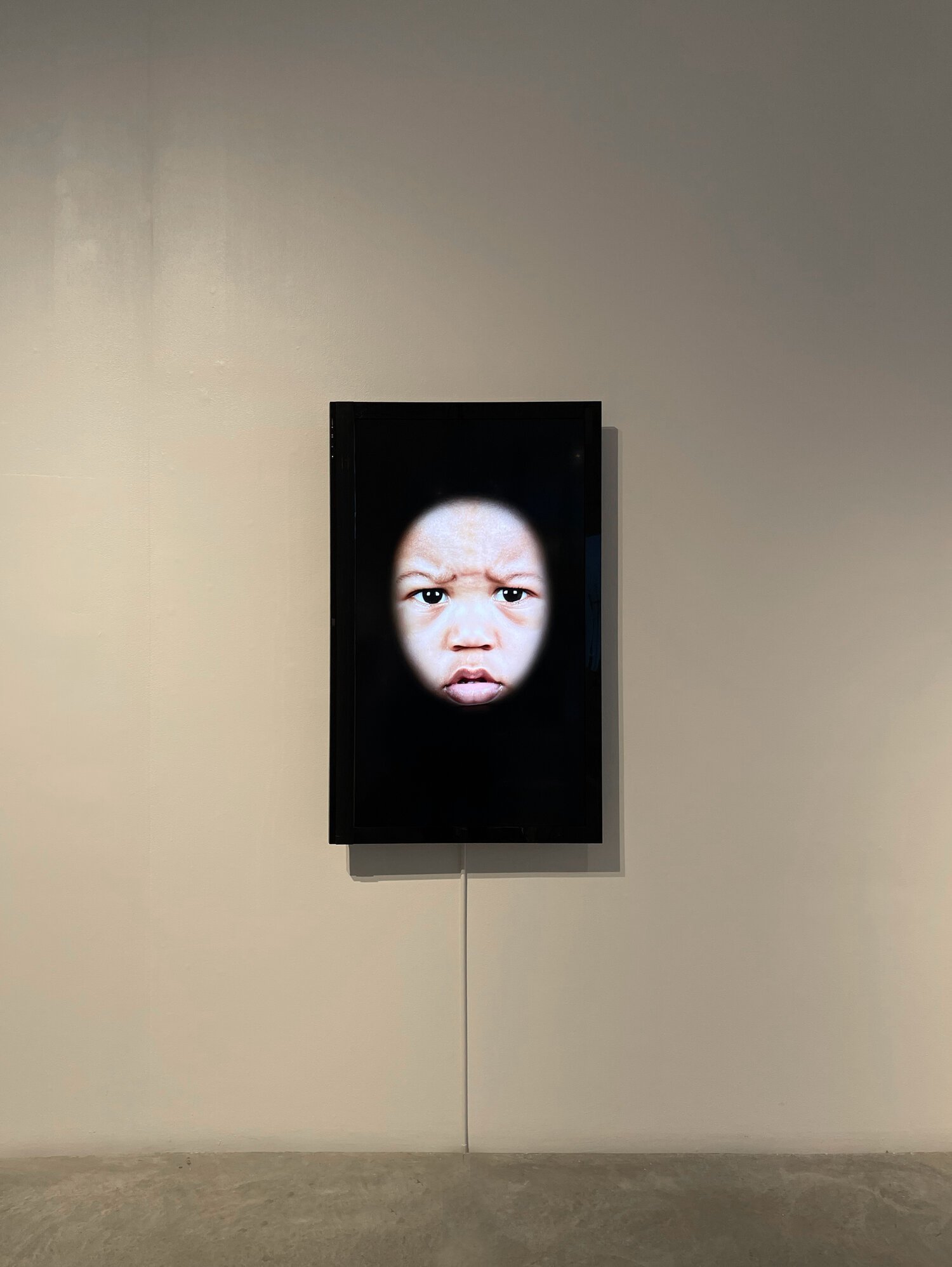
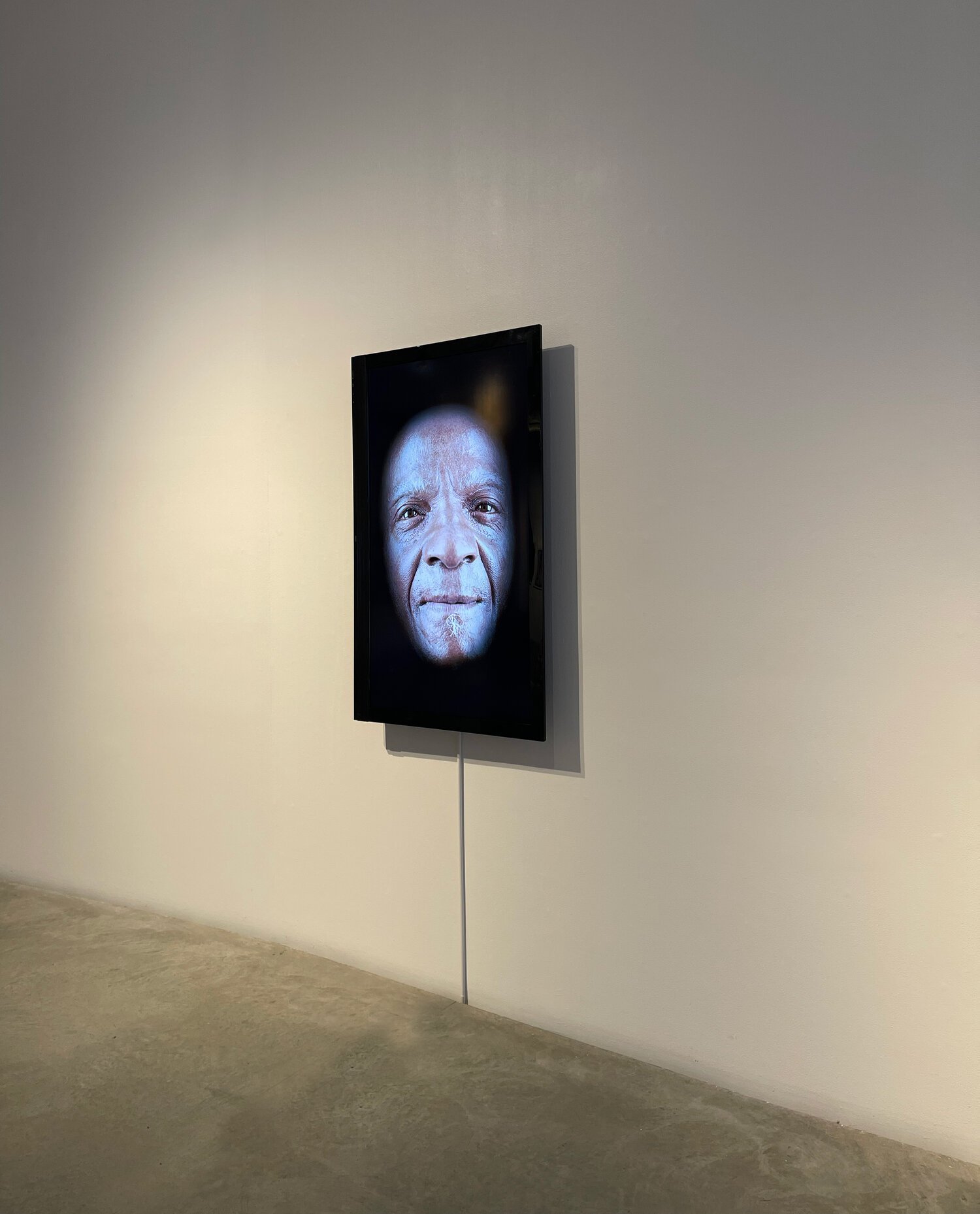
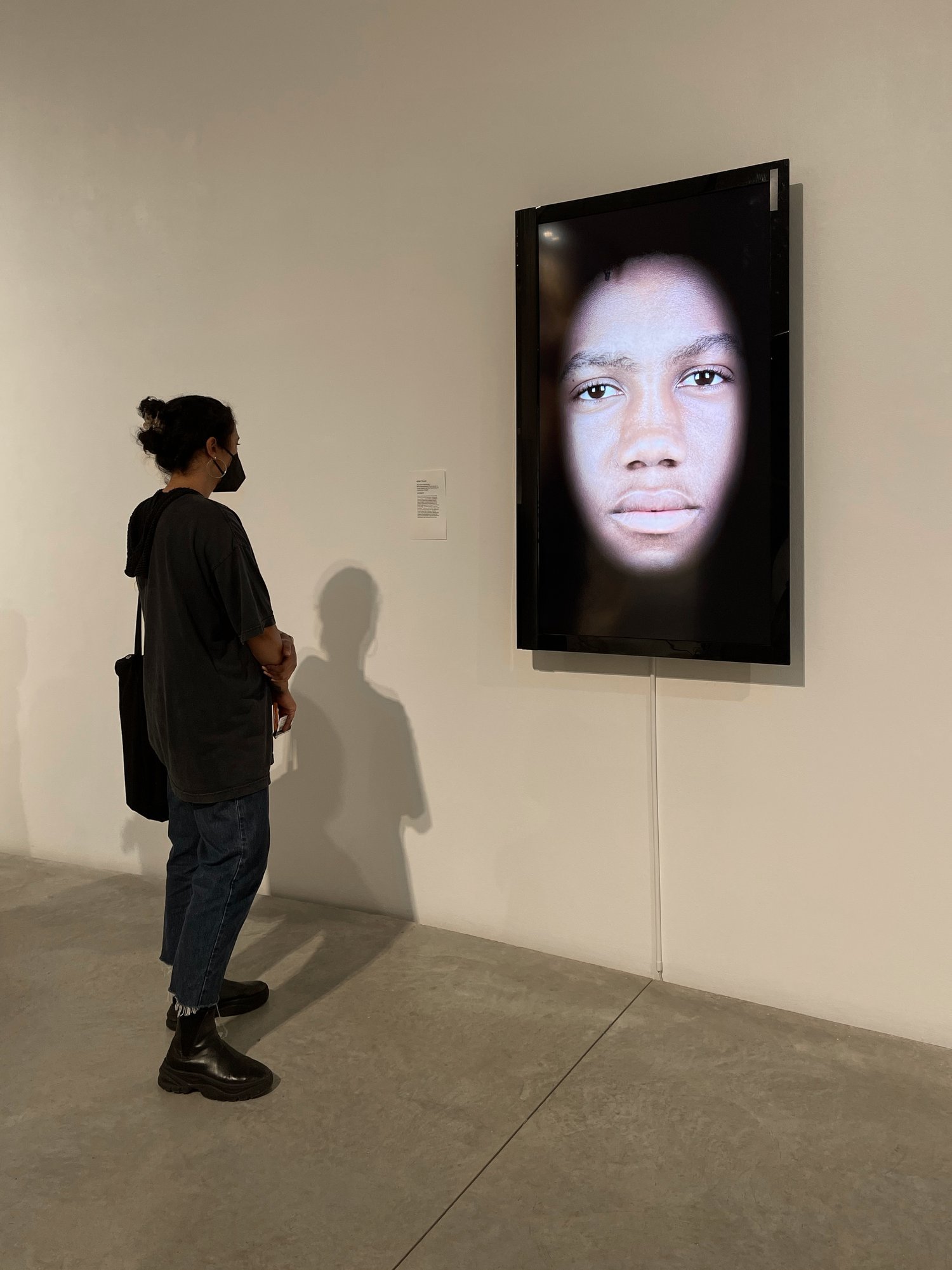
No Space Know Space considers the Black male figure as both physical presence and interior territory.
I use the portrait to investigate what happens when the Black male body is allowed to occupy the image without being reduced to the histories, projections, fears, and fantasies that have traditionally gathered around it. My interest is not in making the figure more legible. It is in creating the conditions for his presence to remain complex.
The face becomes a landscape. Skin becomes material. The body becomes architecture. Proximity intensifies the encounter while withholding complete access.
As the occupant of a Black male body, and by Black I mean Brown, I am interested in the relationship between carnality and interiority. How can the body remain sensuous, desirable, vulnerable, masculine, beautiful, and materially present without becoming available for possession? How might an image acknowledge the Black male exterior while protecting the interior life contained within it?
These portraits do not attempt to resolve that tension.
They inhabit it.
The tightly framed figure occupies a space between exposure and opacity, recognition and unknowability, physical presence and metaphysical interiority. What appears to be a direct encounter becomes a threshold. The viewer is permitted to look, but looking does not produce ownership.
This is the refusal within the work.
The Black male figure remains visible without becoming fully available. His beauty does not require explanation. His interiority does not require disclosure. His presence is sufficient.
No Space Know Space transforms the photographic frame into a temporary territory of self-possession. A space within the image where the Black male figure is not searching for himself, but occupying what was already his.